Why LED Lighting Is the Perfect Choice for Kitchen Renovations
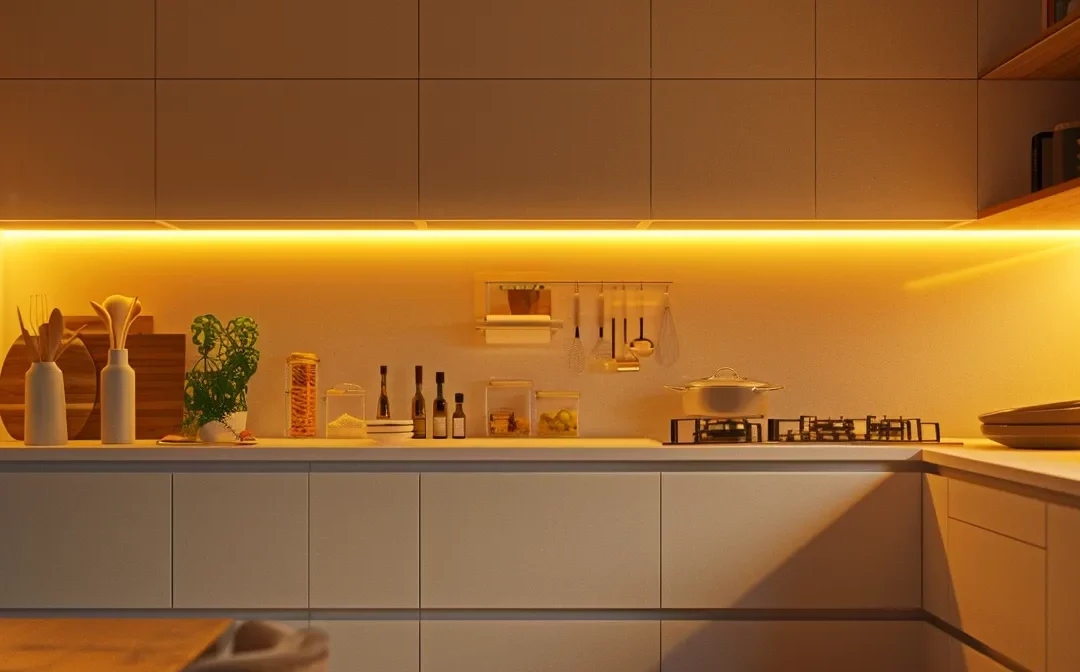
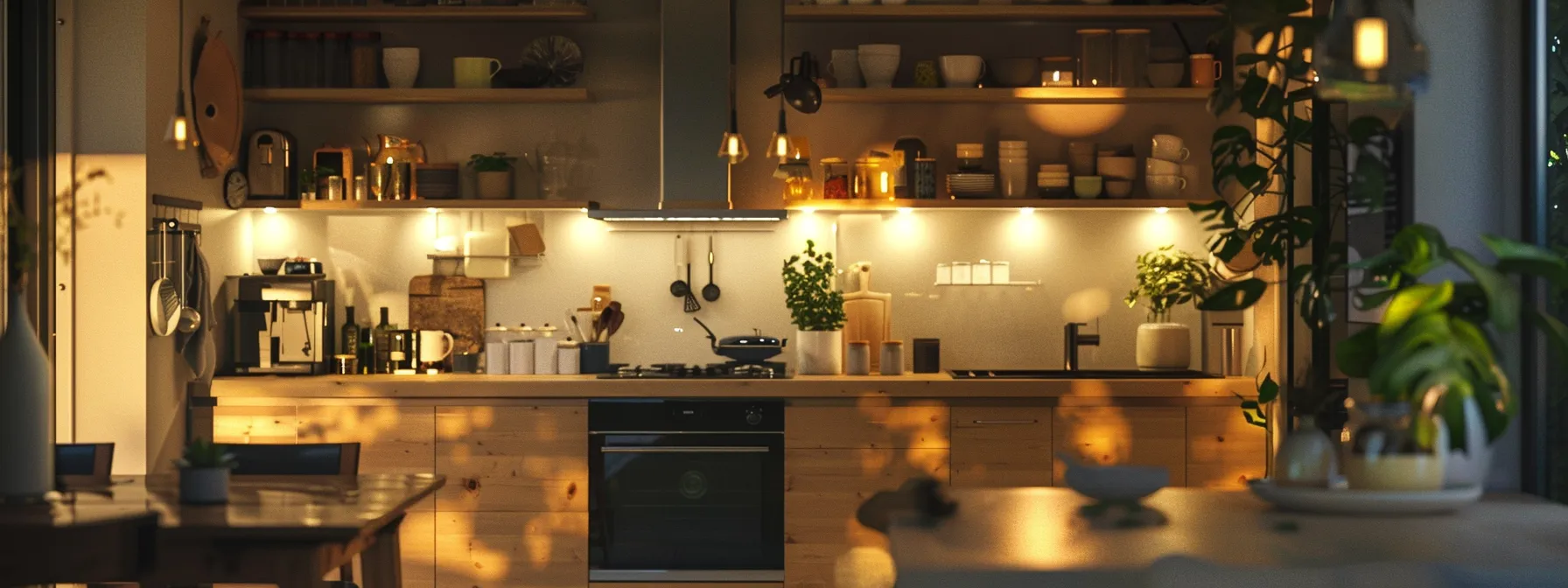
Kitchen renovations offer a unique opportunity to transform a space into both a functional and inviting environment, and one of the most impactful upgrades is the integration of LED lighting. Emphasized on the HIA Website, manufacturers are increasingly focusing on environmentally friendly solutions that improve aesthetics while enhancing functionality. LED lights cater to these needs by providing efficient illumination, making them an ideal choice for any modern kitchen. With an array of options available, from under-cabinet lighting to statement fixtures, the versatility of LED solutions can meet various design preferences and requirements. Keep reading to explore how to elevate your kitchen with smart lighting choices that combine style and sustainability.
Key Takeaways
LED lighting significantly enhances kitchen functionality and aesthetics while reducing energy costs
Proper placement of lighting highlights key areas, improving visibility during cooking and entertaining
Customizable color temperatures create varied atmospheres suitable for different occasions and tasks
Dimmable LED options enhance both functionality and ambiance in the kitchen
Integrating smart technology allows homeowners to control lighting conveniently through mobile apps or voice commands
How LED Lighting Enhances Kitchen Functionality and Style
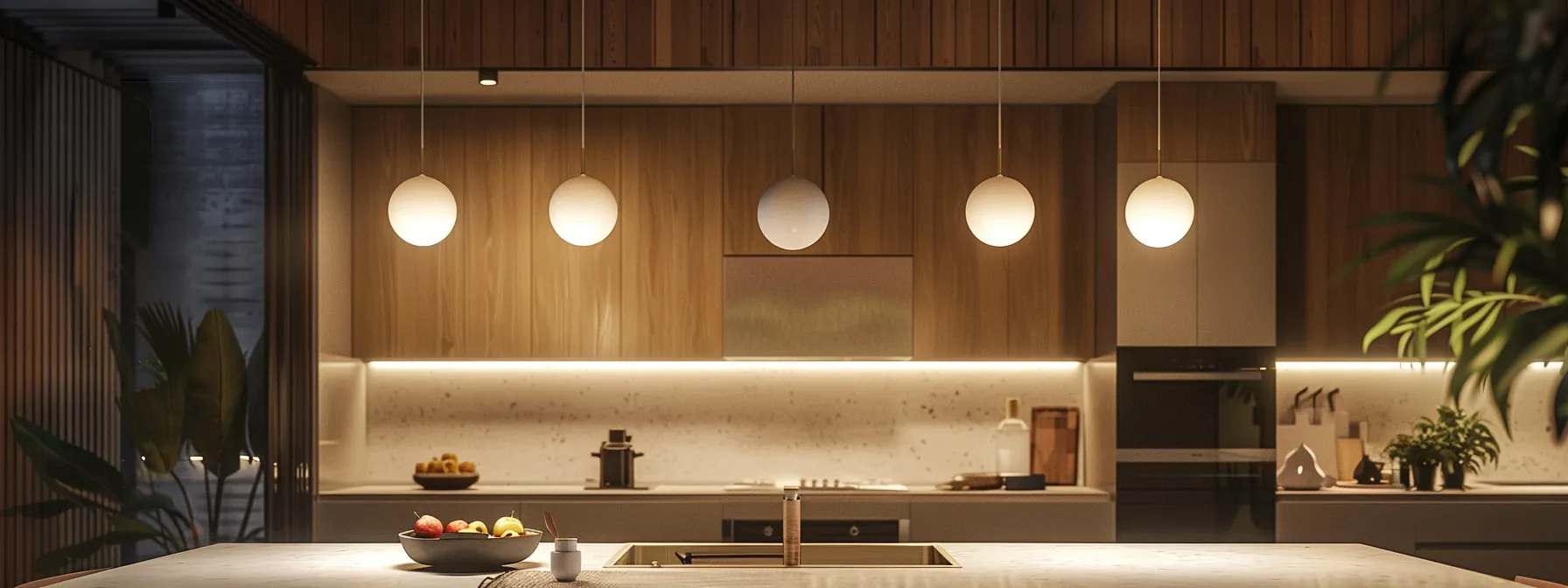
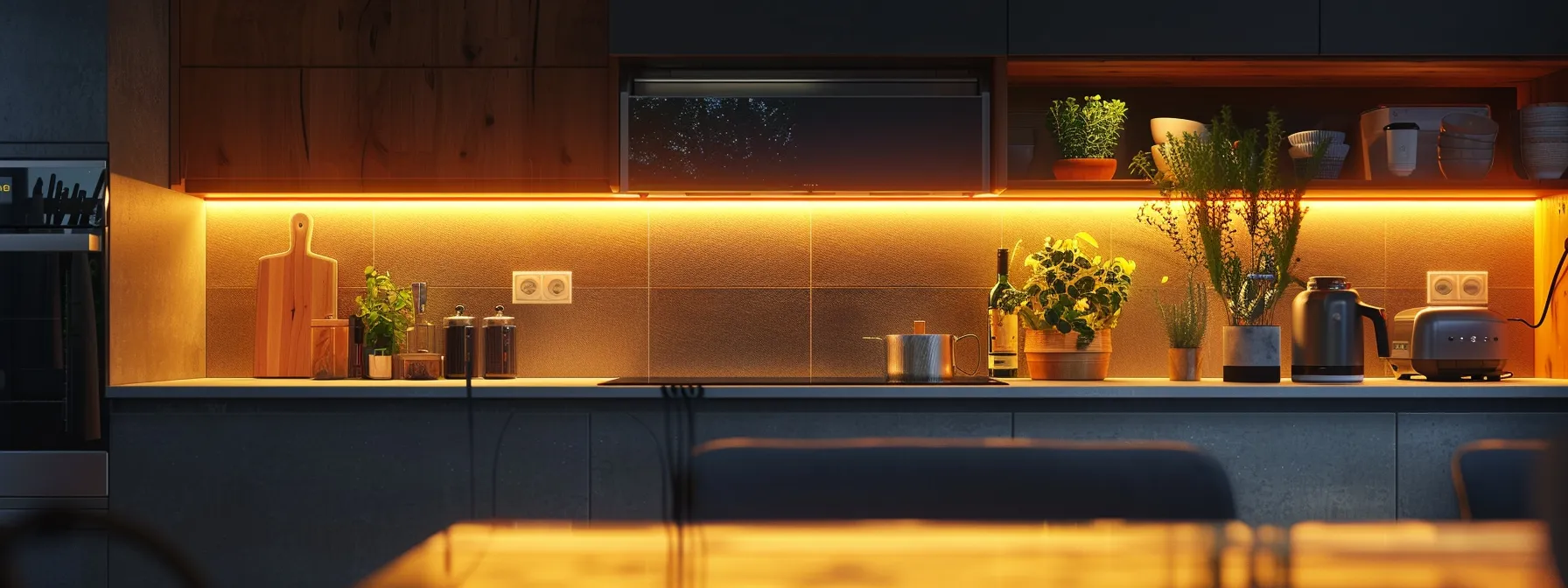
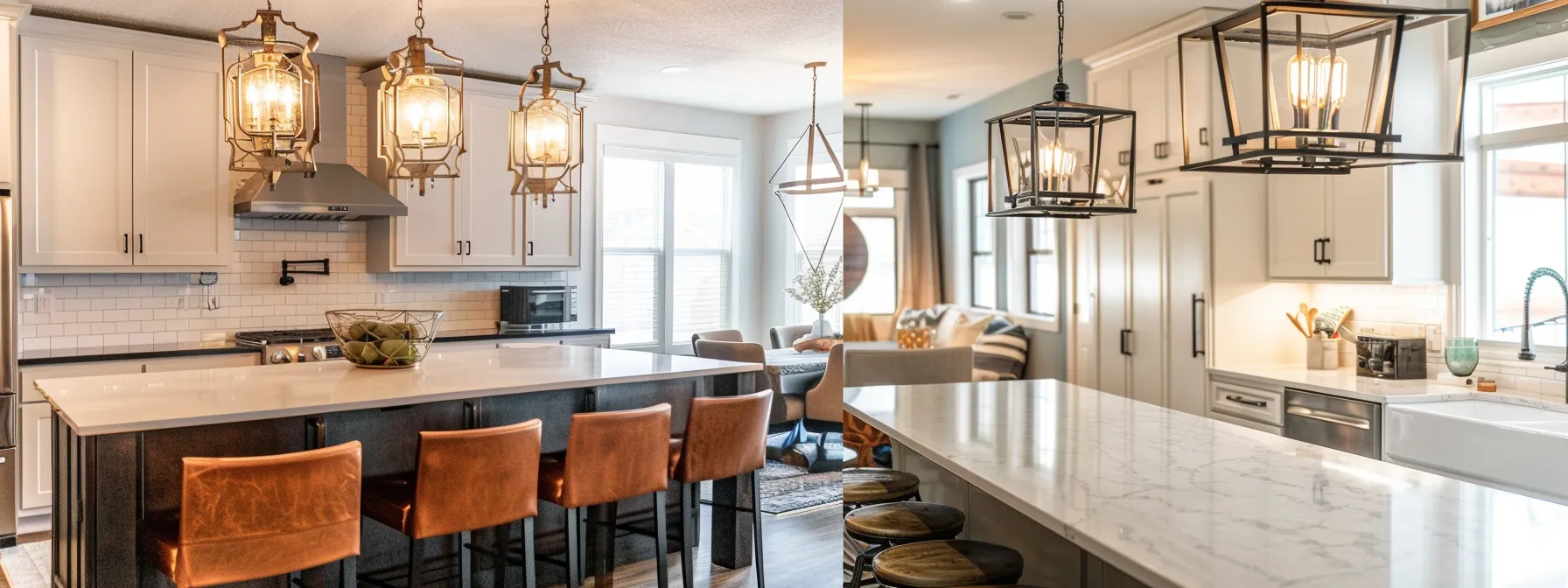
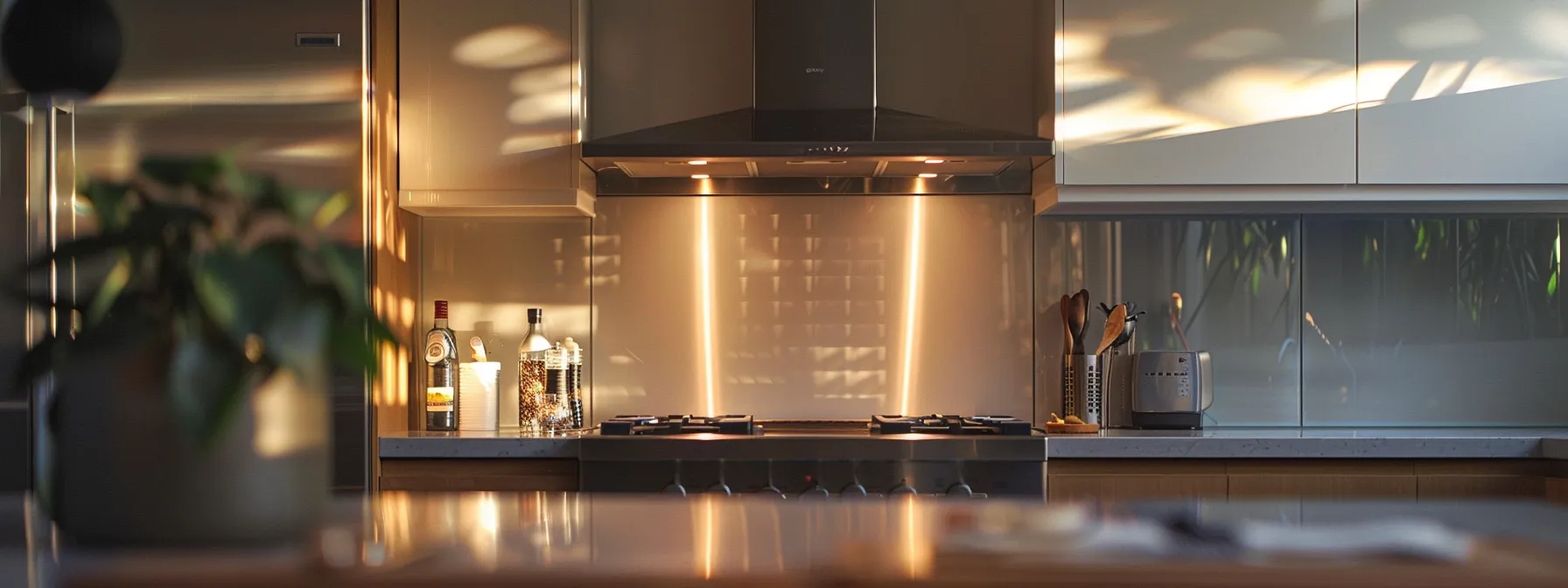
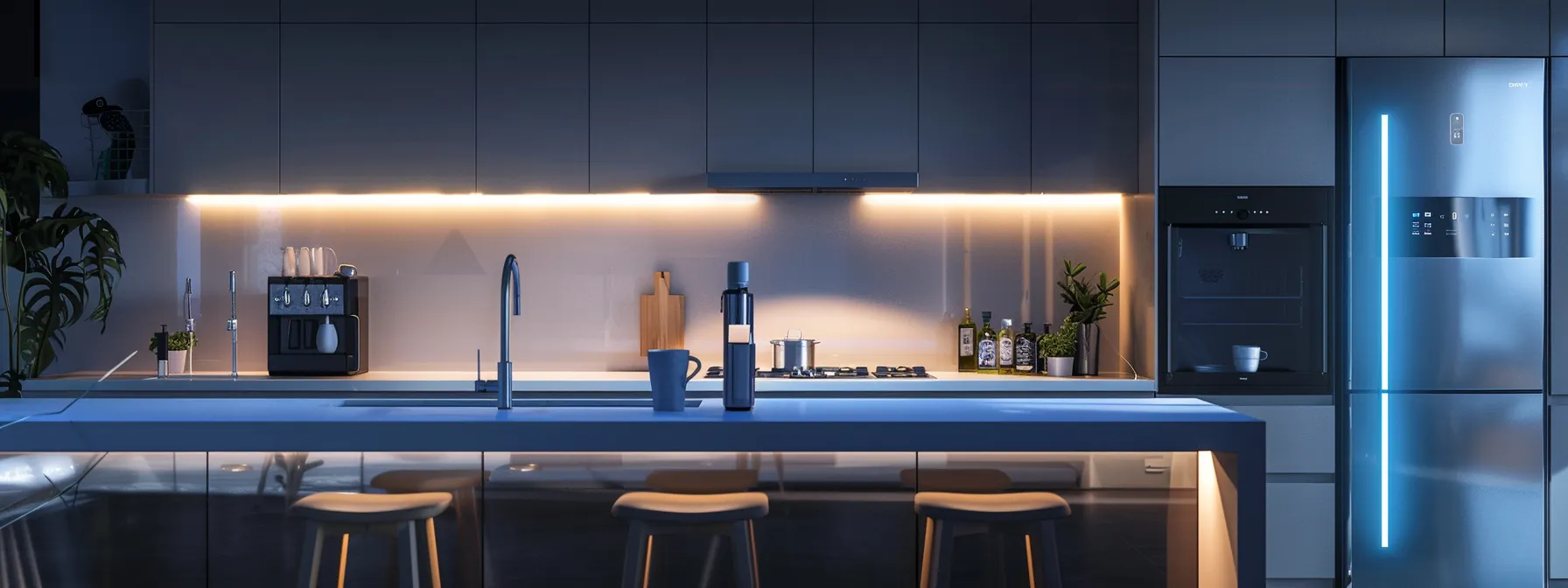
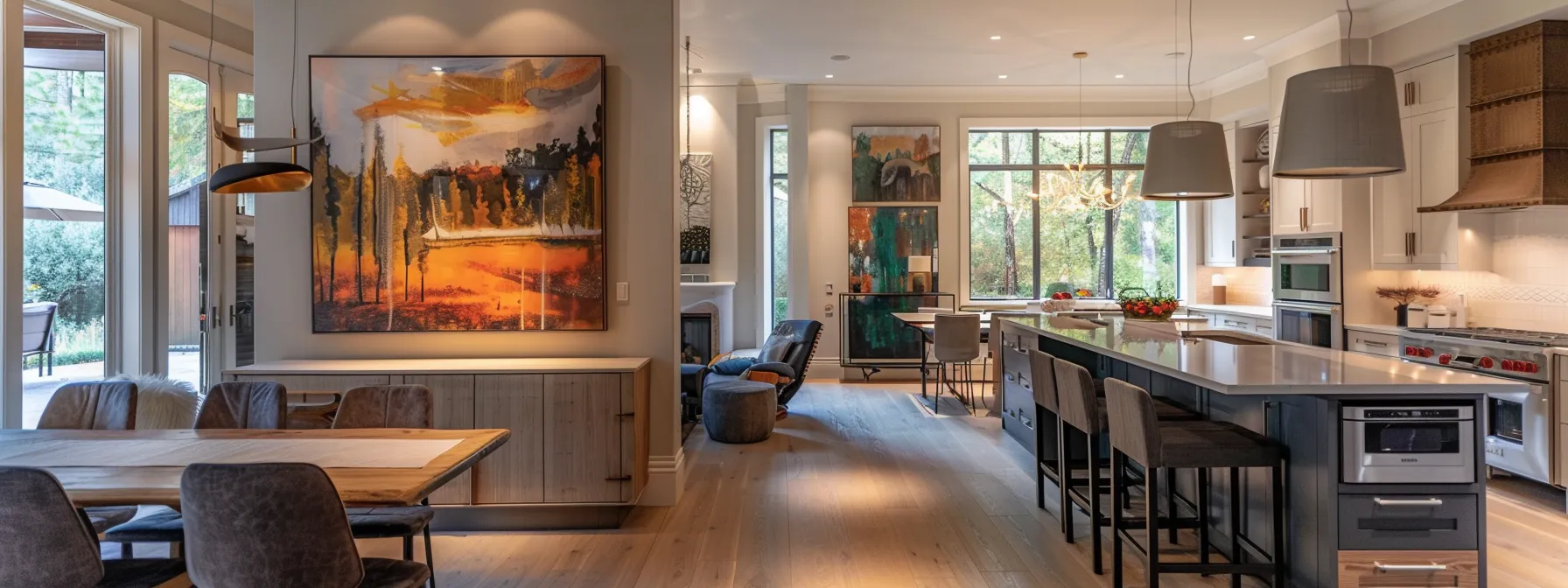
Effective lighting is vital for any kitchen renovation, as it significantly impacts both functionality and design. LED lighting serves as an excellent solution, brightening workspaces efficiently without consuming excessive energy. Whether utilizing pendant lights above an island or clever ceiling fixtures, this versatile option enhances visibility during meal preparation and fosters a productive atmosphere. Furthermore, LED lights can integrate stylishly with various decor styles, complementing kitchen aesthetics while delivering a modern touch reminiscent of sleek neon accents. This seamless blend not only elevates the kitchen’s appeal but also ensures that it remains a welcoming space for culinary creativity. If you are interested in learning more about kitchen lighting options, visit the HIA Website for additional insights.
Brightening Work Spaces Efficiently
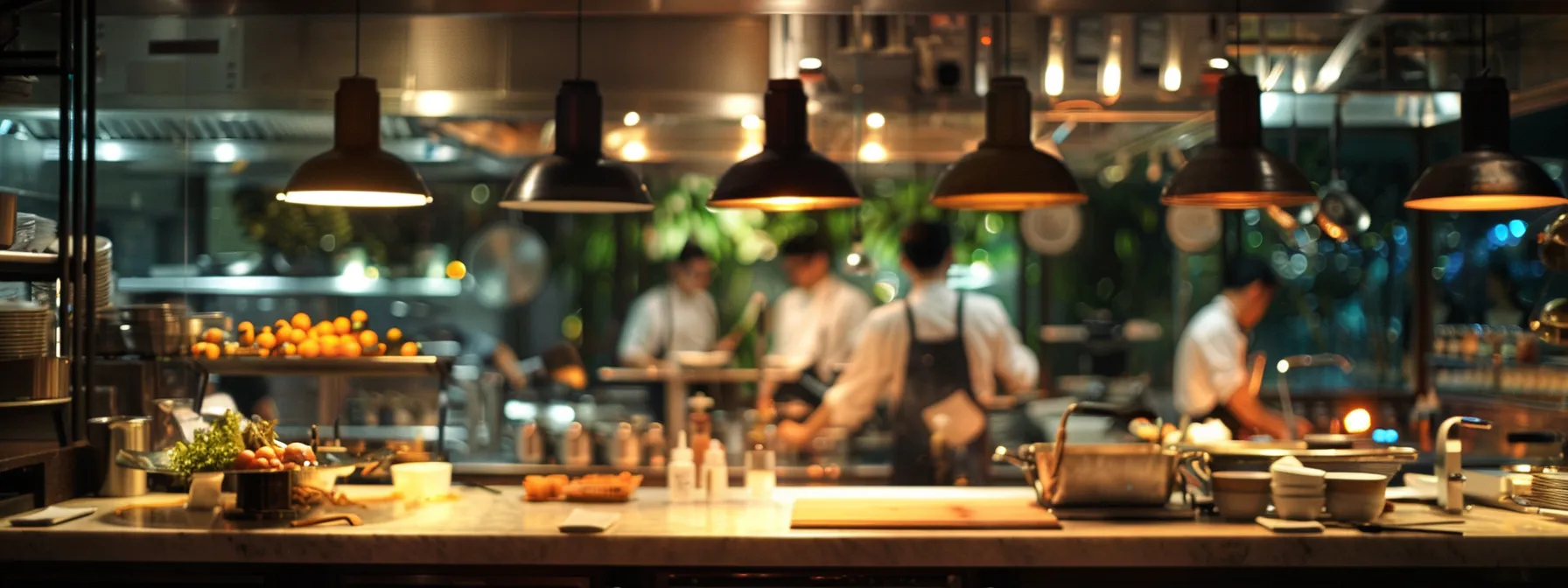
Effective kitchen lighting focuses on enhancing workspaces, particularly near areas like the sink. LED fixtures can provide a daylighthue that mimics natural light, improving visibility for tasks such as chopping, cleaning, and cooking. Using accent lighting from a stylish chandelier can further illuminate these primary work areas, creating a balanced atmosphere that supports both functionality and design.
Consider LED lights for energyefficiency.
Utilize different light sources near the sink for practical illumination.
Incorporate accent lighting like chandeliers for visual appeal.
Integrate daylight hues to enhance productivity.
Complementing Your Kitchen Aesthetic
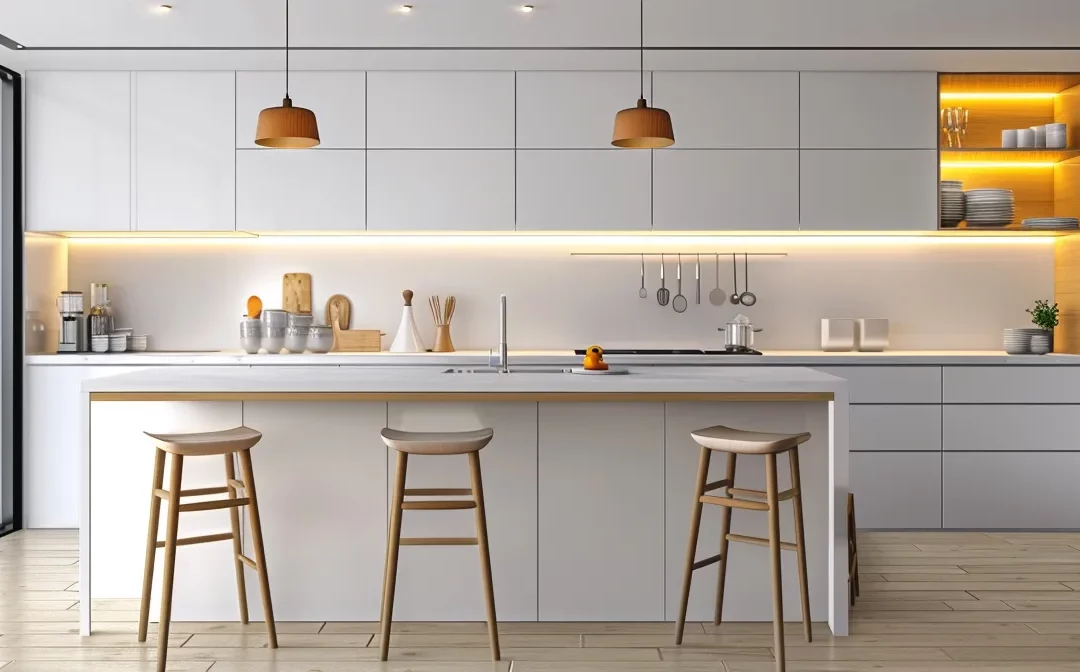
LED lighting offers a stunning versatility that harmonizes beautifully with various kitchen designs. From sleek under-cabinet strips to eye-catching fixtures that pair with a ceiling fan, this option enhances both form and function. A licensed electrician can help integrate these lights seamlessly, ensuring that they contribute to energy conservation while maintaining the aesthetic appeal of the kitchen.
To fully appreciate the transformative effects of LED lighting on kitchen aesthetics, consider the following:
Incorporate LED strips in unexpected areas for a modern touch.
Use pendant lights to create focal points that draw the eye.
Mix various light sources to create depth and dimension.
Ensure lighting complements existing decor to maintain a cohesive look.
While LED lighting brings a touch of elegance and improved functionality to any kitchen, its benefits extend far beyond aesthetics. It’s time to explore how choosing LED lights can significantly reduce energy consumption and lower utility bills, making them a smart choice for any modern kitchen.
The EnergyEfficiency of LED Lighting for Kitchens
When considering kitchen renovations, understanding the energy efficiency of LED lighting is paramount. LED strip lights exemplify efficiency, consuming significantly less power than traditional bulbs while providing a higher color rendering index, which closely mimics natural sunlight. This enhanced light quality not only creates a vibrant cooking space but also plays a crucial role in reducing energy consumption. As a result, homeowners experience substantial long-term savings on their utility bills, making LED lights a financially sound choice. The combination of lower energy use and improved light quality establishes LED lighting as an optimal solution for modern kitchens.
Comparing LED Energy Use to Traditional Bulbs
When comparing LED lighting to traditional bulbs, energyefficiency becomes a significant factor for every homeowner involved in a renovation project. A typical traditional incandescent bulb consumes about 60 watts to produce a certain level of brightness, whereas an LED bulb can achieve the same illumination with only 10 watts. This substantial reduction in wattage not only lowers energy bills but also supports customers’ goals of sustainable home improvement.
Understanding the differences further aids kitchen owners in making informed decisions. Owners who switch from traditional lighting options to LED solutions can expect a dramatic decrease in energy consumption while enjoying enhanced brightness. As a result, the investment in LED technology pays off in both performance and sustainability for the modern kitchen.
Type of Bulb
Wattage
Brightness (Lumens)
Typical Lifespan
Traditional Incandescent
60 watts
800 lumens
1,000 hours
LED Bulb
10 watts
800 lumens
25,000 hours
Long-Term Savings on Utility Bills
Switching from traditional incandescent light bulbs to LED options can significantly reduce energy consumption, ultimately leading to lower utility bills for homeowners. The use of dimmer switches allows greater control over lighting levels, maximizing energy savings while maintaining a cozy ambiance in both kitchens and adjacent spaces, such as the bathroom. Additionally, LED fixtures, including those designed as grow lights, operate with minimal energy, further enhancing long-term savings.
Type of Bulb
Wattage
Brightness (Lumens)
Typical Lifespan
Annual Energy Cost
Incandescent Light Bulb
60 watts
800 lumens
1,000 hours
$7.23
LED Bulb
10 watts
800 lumens
25,000 hours
$1.19
LED lighting not only enhances energyefficiency but also offers a canvas for creativity in your kitchen. Transforming your space with customized LED lights allows for a unique ambiance that reflects your personal style.
Customizing Your Kitchen Ambiance With LED Lights
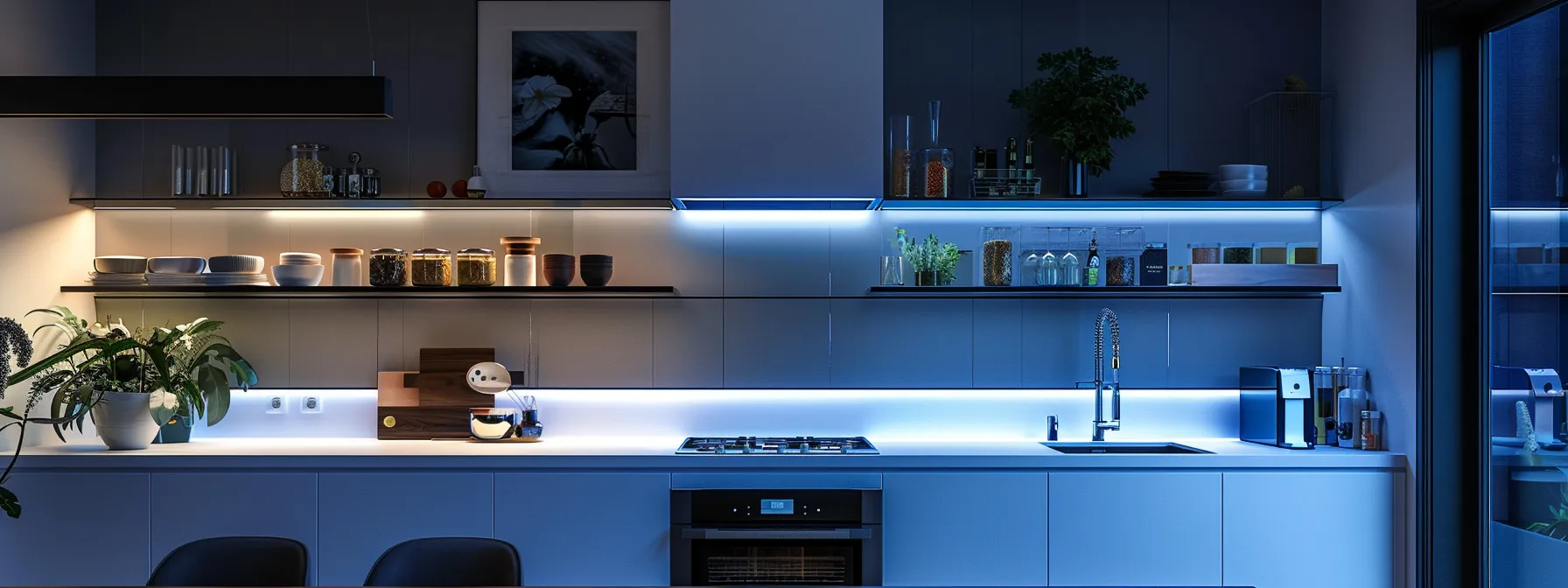
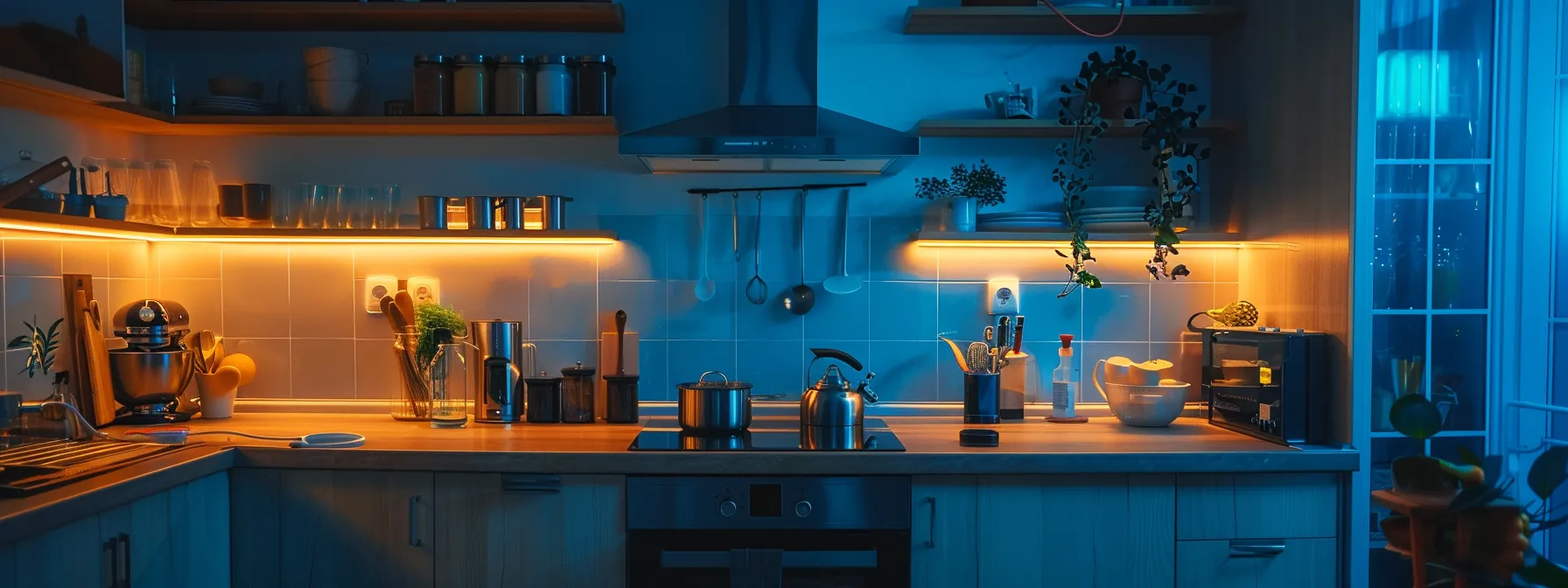
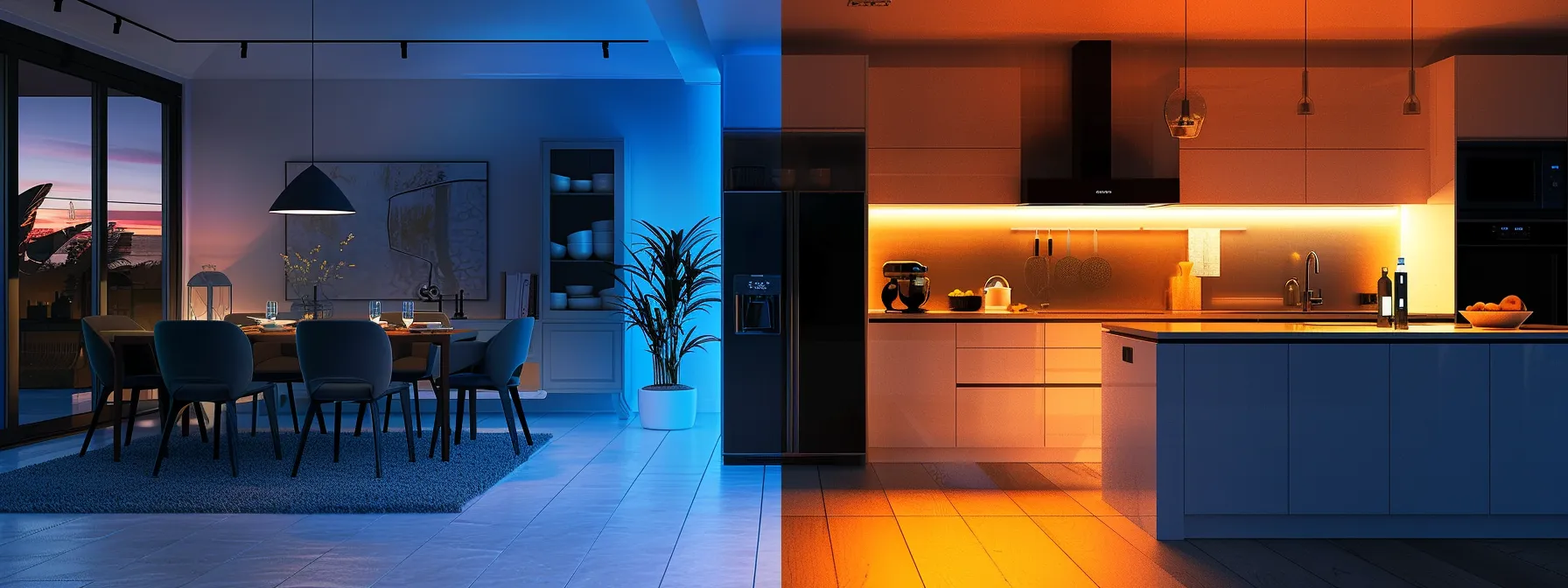
Customizing kitchen ambiance involves careful consideration of color temperature and lighting controls. By adjusting the color temperature, measured in kelvin, one can create varying atmospheres to suit different occasions or times of day. Warm white tones, typically around 2700K to 3000K, invite relaxation, while cooler temperatures, ranging from 3500K to 5000K, foster a brighter, more invigorating environment. Incorporating dimmable LED options allows flexibility in lighting intensity, making it easy to shift from functional task lighting to a more subdued setting for entertaining guests. Track lighting offers an ideal solution for achieving this versatility, as it can be positioned at different heights and angles to highlight specific areas or elements in the kitchen. Coupling these features with appropriately chosen light fixtures and manageable voltage systems further enhances the potential for creating a tailored, dynamic ambiance.
Adjusting Color Temperatures for Mood
Adjusting color temperatures in a kitchen setting plays a crucial role in shaping the mood of the room. With the right knowledge of color temperature, homeowners can utilize recessed lights to shift from a warm ambiance suitable for relaxation to a cooler light that promotes an energetic environment. Many interior design mobile apps now offer features that help users visualize these variations, making it easier to customize lighting schemes that reflect personal preferences.
Color Temperature (Kelvin)
Atmosphere
Recommended Use
2700K – 3000K
Warm and Inviting
Relaxation, Dinner Parties
3500K – 4000K
Neutral and Versatile
Daytime Cooking, Family Gatherings
5000K and Above
Bright and Energizing
Focused Tasks, Early Mornings
Incorporating Dimmable LED Options
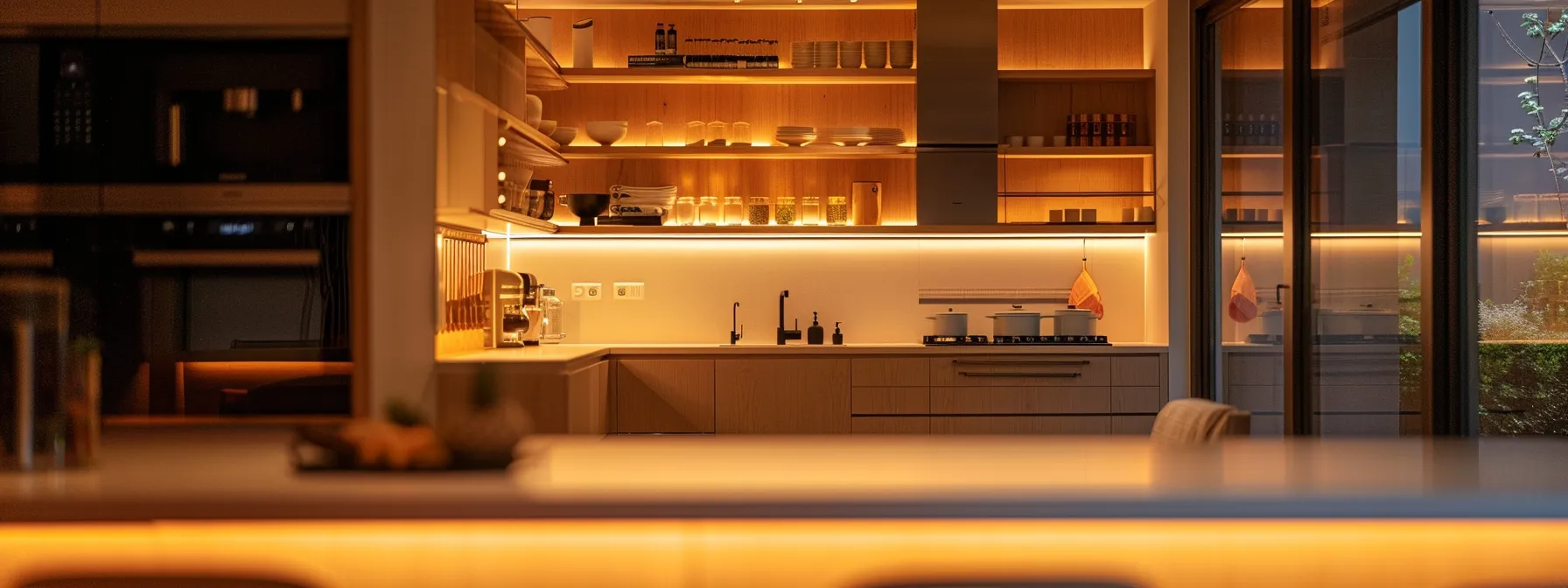
Incorporating dimmable LED options in the kitchen significantly enhances both functionality and ambiance. By utilizing a dimming feature with various fixtures, such as sconces or pendant lights, homeowners can effortlessly adjust the brightness according to their needs, whether for focused tasks or relaxed gatherings. This versatility not only improves visibility for preparing meals but also allows for cozy settings that create inviting atmospheres for family and friends.
Utilize dimmable LED bulbs in kitchen cabinets for a soft glow.
Enhance functionality with pendant lights that provide adjustable brightness.
Incorporate sconces alongside dimmable options for versatile illumination.
Adjust lighting levels to ensure optimal visibility while cooking and entertaining.
Transforming kitchen ambiance with LED lights opens the door to endless possibilities. Innovative solutions are now available to complement any kitchen design, elevating both style and functionality.
Innovative LED Lighting Solutions for Any Kitchen Design
LED lighting stands out as an ideal choice for kitchen renovations due to its versatility and adaptability, particularly in the context of modern living spaces. Homeowners can explore seamless integration with smart home devices, allowing them to control lighting effortlessly via mobile applications or voice commands, which enhances the meal preparation experience. Furthermore, creative placement ideas, including under-cabinet strips or strategically positioned fixtures, maximize impact while allowing for adjustable color temperature. This flexibility not only sets the mood for cooking and entertaining but also aligns with energy-efficient practices using low voltage solutions. Recognizing the importance of aesthetic appeal, brand selection plays a critical role in choosing LED lights that complement the overall décor without compromising functionality—much like selecting the right vehicle for personal style and needs.
Seamless Integration With Smart Home Devices
Integrating LED lighting with smart home devices transforms the kitchen into a highly functional space that complements both cooking activities and the overall ambiance of the home. Homeowners can easily control lighting beams from smart devices, adjusting brightness and color temperatures based on the time of day or specific tasks, whether preparing meals or hosting in the living room. This seamless connection allows individuals to create an inviting atmosphere on the kitchen floor and enhances the functionality of the entire residence:
Control LED beams via mobile apps or voice commands.
Adjust brightness for meal preparation or entertaining guests.
Customize lighting according to specific tasks and times of day.
Creative Placement Ideas for Maximum Impact
Properly positioning LED lighting can dramatically transform a kitchen, drawing attention to specific areas like countertops. Creative placements, such as under-cabinet strips or pendant fixtures, can flood these surfaces with ample lumen output, enhancing both functionality and aesthetics. This deliberate lighting design not only amplifies the visual appeal but also sets the desired mood for cooking and entertaining.
As designers embrace cutting-edge LED technologies, they unlock new possibilities for captivating kitchen aesthetics. This shift not only elevates style but also promises impressive durability and longevity in demanding kitchen environments.
Durability and Longevity of LED Lights in Kitchen Environments
LED lights are particularly suited for kitchen environments due to their resilience against frequent use and high humidity levels typically found in these spaces. Unlike traditional bulbs that can easily burn out, LED lighting maintains its productivity over time, ensuring consistent illumination for various kitchen tasks. Their robust construction minimizes vulnerability to daily wear and tear, making them an ideal choice for busy households. Furthermore, with a direct connection to the power supply using a low-voltagewire, LED fixtures require minimal maintenance, allowing homeowners to enjoy long-lasting, reliable lighting without the constant need for replacements or repairs.
Resilience to Frequent Use and High Humidity
LED lighting excels in kitchen environments due to its remarkable resilience to frequent use and the challenging conditions often present in these spaces. By withstanding high humidity levels and temperature fluctuations, LED fixtures continue to perform reliably, making them highly suitable for the dynamic atmosphere of a kitchen. This durability not only ensures consistent brightness but also minimizes the need for replacements, allowing homeowners to invest in lighting solutions that are both practical and long-lasting.
Minimal Maintenance Over the Years
LED lighting requires minimal maintenance, making it an attractive choice for busy kitchens. With a lifespan of up to 25,000 hours, these fixtures significantly reduce the frequency of replacements compared to traditional bulbs. Homeowners can enjoy peace of mind knowing that LED lights will provide reliable illumination without the constant need for upkeep.
Understanding the durability and longevity of LED lights sets the foundation for making informed choices. As kitchens evolve, selecting the right LED lighting becomes crucial for achieving both functionality and style in your renovation journey.
Navigating the Selection of LED Lighting for Your Kitchen Renovation
Selecting appropriate LED lighting for a kitchen renovation involves several important considerations. Homeowners should focus on both functionality and aesthetic appeal while evaluating various LED fixtures. This includes understanding the latest trends that can enhance the overall design and efficiency of the space. Current innovations highlight the importance of energy-saving solutions and stylish options that can transform the kitchen environment. Keeping abreast of these trends, along with essential tips for fixture selection, enables homeowners to create a well-lit, inviting, and modern kitchen that supports their cooking and entertaining needs.
Essential Tips for Choosing the Right LED Fixtures
Choosing the right LED fixtures for a kitchen renovation requires careful consideration of both functionality and aesthetic appeal. Homeowners should assess the specific needs of their kitchen layout, focusing on areas where lighting will play a crucial role, such as work surfaces and dining spaces. Additionally, exploring various styles and finishes of LED fixtures can enhance the overall design, ensuring that the selected lighting complements the kitchen’s décor while providing optimal illumination.
Latest Trends in Kitchen LED Lighting
The latest trends in kitchen LED lighting reflect a strong inclination toward customization and smart technology integration. Homeowners increasingly seek fixtures that offer adjustable brightness and color temperatures to match daily activities and moods. Such advancements not only improve functionality but also promote energyefficiency while enhancing aesthetics in modern kitchens:
Trend
Description
Smart LED Integration
Control lighting remotely via mobile apps or voice commands to create a convenient kitchen experience.
Adjustable Color Temperatures
Utilize lights that allow modifications from warm to cool hues based on specific needs.
Layered Lighting Solutions
Incorporate a combination of ambient, task, and accent lighting for a well-rounded approach.
These trends collectively emphasize the importance of merging practicality with style, catering to homeowners’ desire for both functional and inviting spaces.
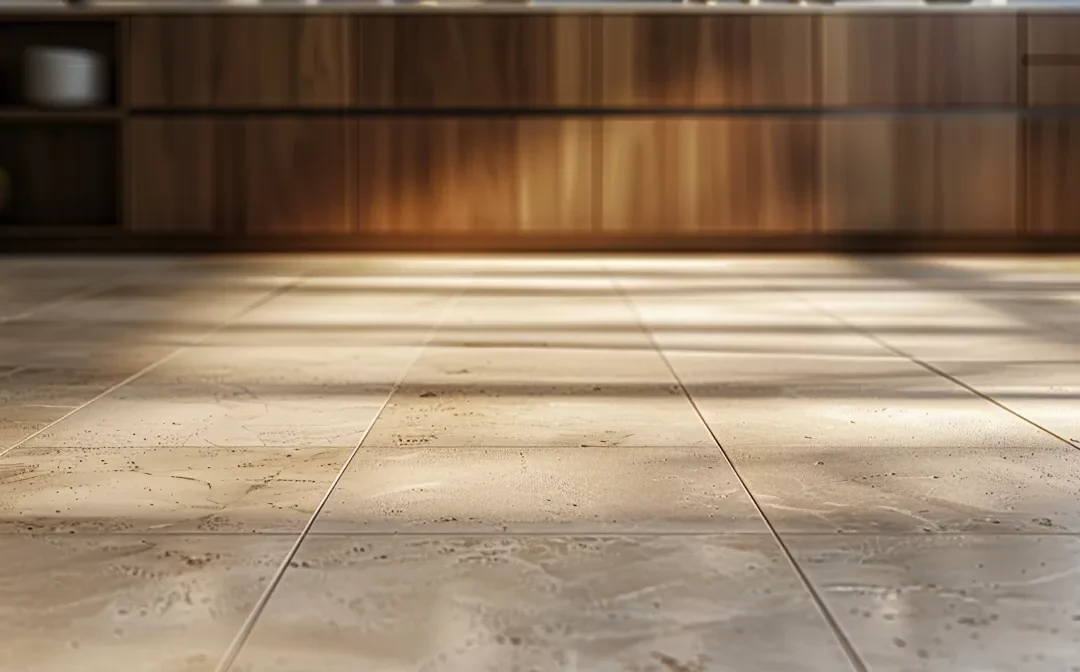
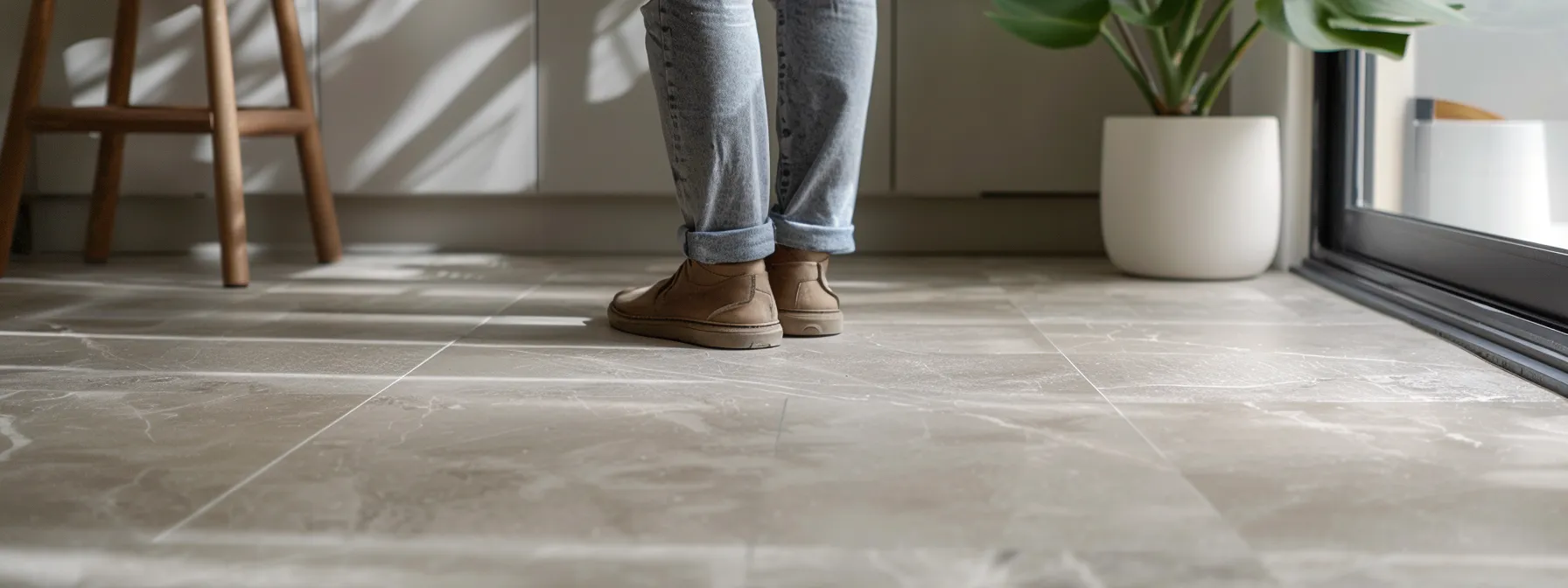
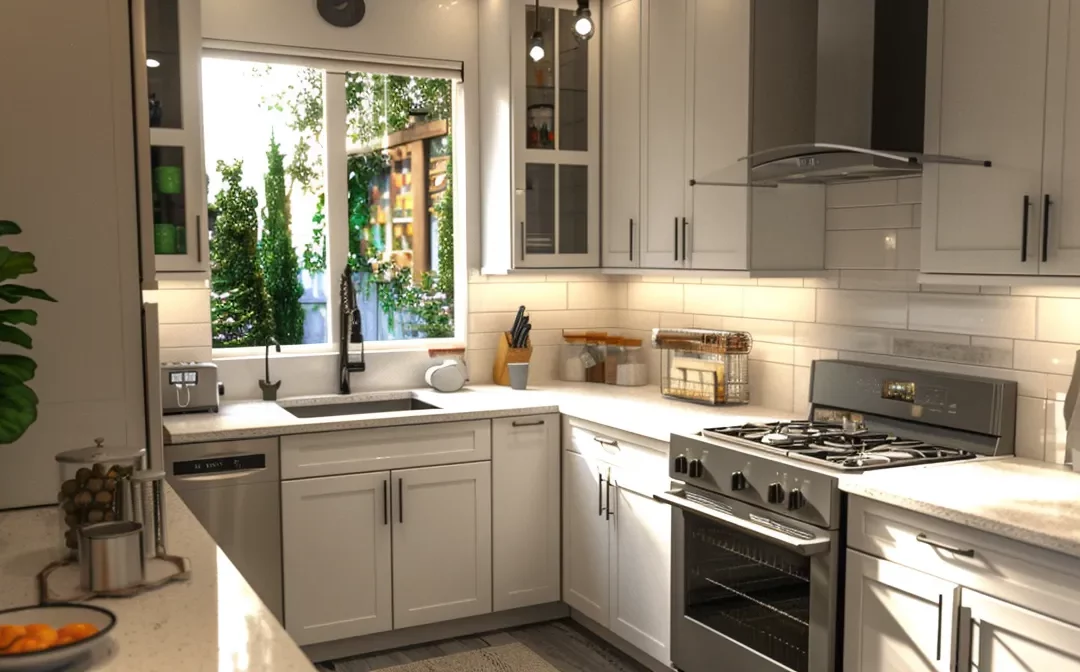
When considering kitchen renovations, flooring choices play a crucial role in achieving both aesthetics and functionality. The Housing Industry Association emphasizes that selecting the right material can significantly impact the overall price of your home improvement project. Among various options, travertine stands out for its elegance, while other materials provide their unique benefits tailored to different styles and budgets. Choosing the ideal flooring can elevate your kitchen’s design from ordinary to extraordinary. Keep reading to explore the best flooring options that can transform your space while fitting your vision and needs.
Key Takeaways
Porcelain tile is durable and water-resistant, making it ideal for busy kitchens
Cement flooring offers robust customization and contemporary style for modern renovations
Hardwood floors provide natural beauty but require careful maintenance due to moisture sensitivity
Tile flooring is versatile, yet grout maintenance can be a challenge for homeowners
Vinyl and laminate flooring are cost-effective options that combine style with practicality for renovations
Exploring the Best Flooring Options for Your Kitchen
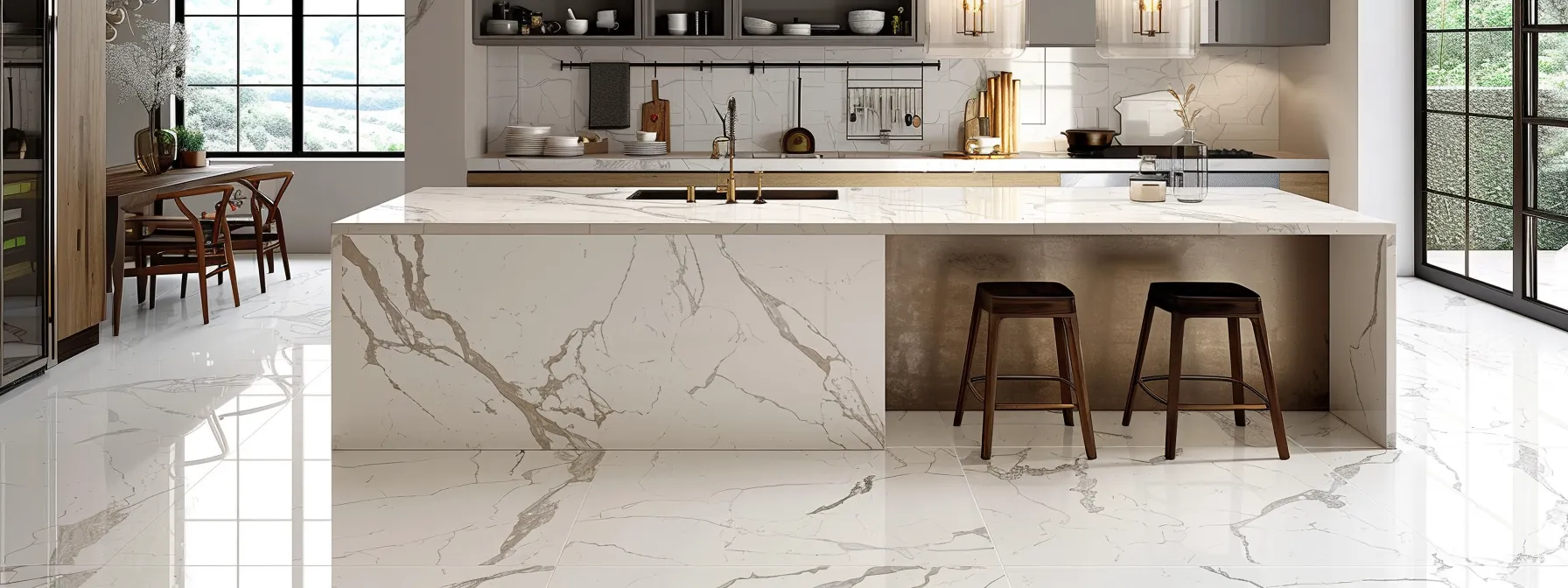
Porcelain tile is often regarded as a top choice for kitchen flooring due to its exceptional hardness and durability. Its resistance to water and stains makes it a practical option for busy households, fitting seamlessly into both functional and stylish interior design schemes. Additionally, porcelain tile offers a variety of textures and colors, allowing homeowners to find the Housing Industry Association perfect match for their aesthetic preferences.
Cement flooring has gained significant popularity in modern kitchen renovations. Known for its robustness, cement can easily withstand the rigors of daily use, and its customizable nature allows for unique coatings that enhance its appeal. This versatility not only complements various interior design styles but also makes it a favored option for those seeking a contemporary look.
When contemplating flooring options, it is essential to consider the long-term performance and maintenance of each material. For instance, while wood offers warmth and beauty, it requires careful upkeep; on the other hand, materials like porcelain tile and cement deliver both visual appeal and functional resilience. Homeowners can confidently invest in these flooring choices, knowing they will maintain their aesthetic integrity and functionality over time.
As homeowners seek durability and style, hardwood floors emerge as a top contender. Their classic elegance creates an inviting atmosphere, making them a popular choice for any kitchen renovation.
1. The Timeless Appeal of Hardwood Floors
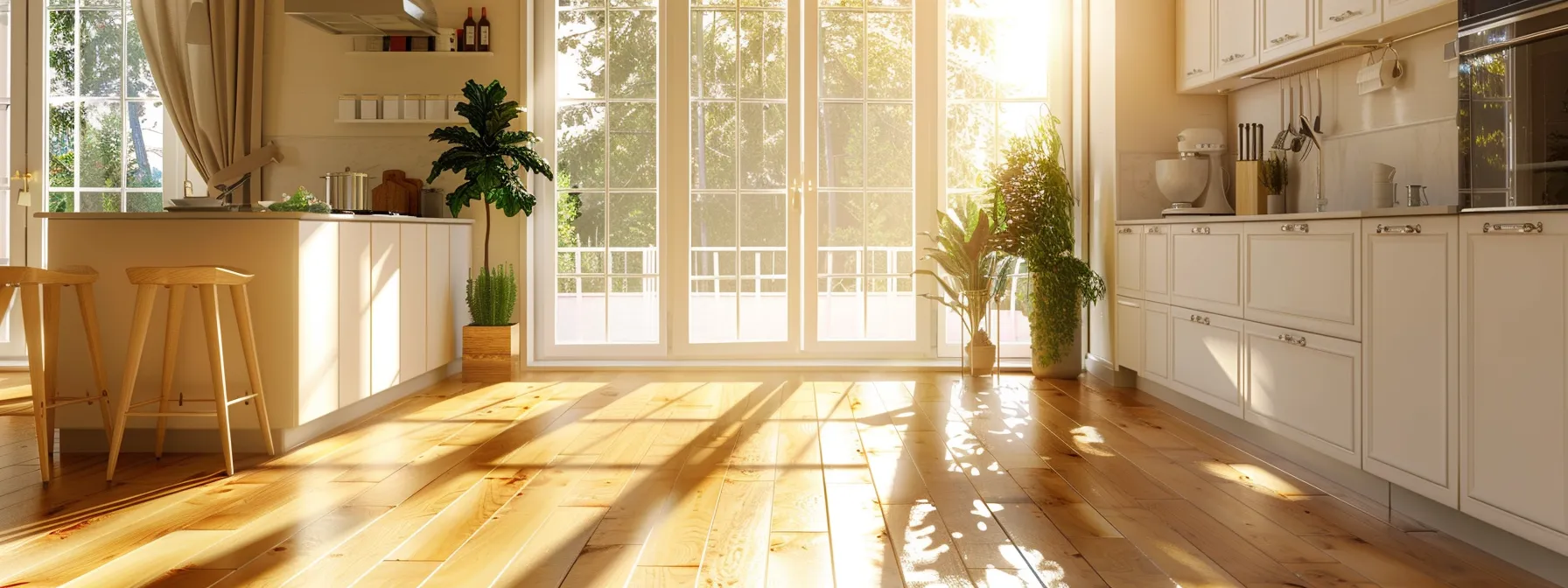
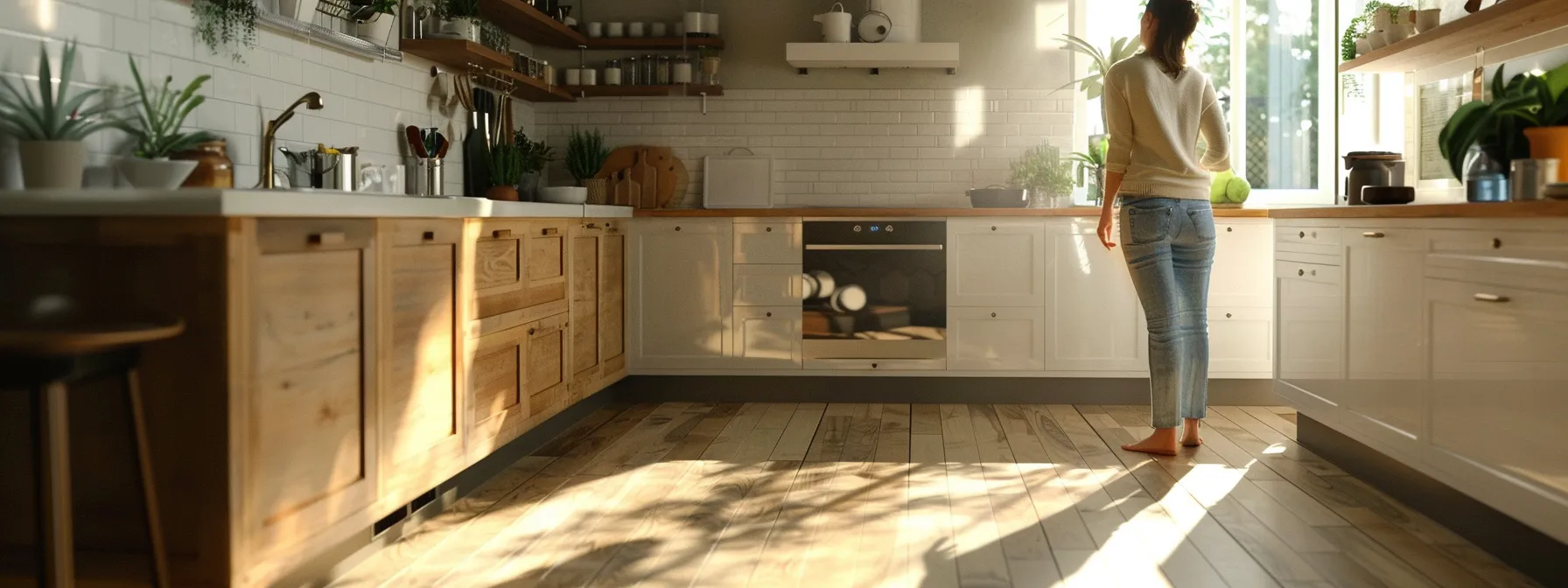
Hardwood floors, particularly varieties like maple, bring a sense of elegance and warmth to kitchen spaces, making them a popular choice among homeowners. The aesthetic appeal of hardwood is undeniable, with its natural grains and rich tones enhancing interior design. However, the pros of choosing hardwood must be carefully weighed against potential risks, especially in high-traffic areas like the kitchen. While hardwood can withstand moderate wear, it is more susceptible to moisture damage compared to alternatives such as linoleum or laminate flooring. This susceptibility raises concerns about longevity and maintenance, prompting homeowners to consider whether the charm of hardwood justifies its limitations in a kitchen environment.
Pros of Choosing Hardwood
Hardwood floors offer numerous advantages that appeal to homeowners looking to elevate their kitchen’s aesthetic. Their natural beauty effortlessly integrates with other features, such as a striking granitecountertop or elegant porcelain elements, creating a cohesive living space that flows seamlessly into adjacent areas like the living room. Additionally, hardwood‘s durability allows it to withstand the daily challenges of a busy kitchen, including soil buildup and moisture exposure, providing a functional yet stylish foundation.
Cons of Hardwood in the Kitchen
Hardwood floors, while appealing, present specific drawbacks in kitchen settings. Their porosity makes them vulnerable to water damage, particularly near high-moisture areas like sinks, which can lead to warping and deterioration over time. In comparison to more water-resistant options, such as brick or tile, hardwood can demand excessive maintenance, detracting from the convenience sought in a kitchen renovation.
Aspect
Hardwood Floors
Alternative Options (Brick, Tile)
Porosity
High
Low
Moisture Resistance
Moderate
High
Maintenance Level
High
Low
Style Versatility
High
Moderate
Hardwood floors offer a classic elegance that enhances any room, but alternative options can elevate both style and practicality. Enter tile flooring, a robust choice that combines strength with stunning designs, ready to transform your space into a modern masterpiece.
2. The Strength and Style of Tile Flooring
Tile flooring stands out as a popular choice for kitchen renovations, especially for those seeking a balance of durability and style. The advantages of tile are numerous, including its resistance to moisture, making it suitable for areas prone to spills. Featuring diverse patterns, textures, and colors, tiles can effortlessly integrate into any design scheme, creating an appealing environment. However, there are challenges with tile floors, particularly related to grout maintenance and potential coldness underfoot. Furthermore, when considering installations adjacent to spaces like the bathroom, homeowners must weigh tile‘s rigidity against the comfort and warmth that options like wood or polyvinyl chloride can provide. Understanding both the pros and cons is essential for making an informed decision in the kitchen flooring selection process.
Pros of Opting for Tile
Tile flooring, particularly ceramic options, presents notable advantages for kitchen renovations. Its moisture resistance makes it an ideal choice for spaces that may experience spills, ensuring longevity and ease of maintenance. Moreover, many tiles come with a manufacturer warranty, providing homeowners with peace of mind regarding durability and performance.
Another benefit of tile is its versatility across various home areas. Whether it’s a kitchen, bathroom, or even a laundry room and basement, tile can adapt to different environments without compromising style or functionality.
Moisture resistance suitable for spills
Manufacturer warranty for durability
Adaptability across various home environments
Cons Associated With Tile Floors
Despite their many advantages, tile floors come with challenges that homeowners should consider. The grout lines, which can trap sand and moisture, often require regular cleaning to prevent water damage and staining, creating a maintenance demand that can be bothersome. Additionally, the hard surface of tile can be uncomfortable underfoot, particularly if the kitchen is adjacent to areas furnished with softer cabinetry or flooring materials, making it less forgiving for those who spend long periods in the kitchen.
Tile flooring impresses with its aesthetic appeal and resilience. In contrast, vinyl flooring introduces a new level of durability and versatility that meets the demands of modern living.
3. The Durability and Versatility of Vinyl Flooring
Vinyl flooring presents an appealing choice for homeowners undertaking a kitchen renovation, combining durability with versatility that accommodates various design aesthetics. Its ability to mimic materials like oak and limestone enhances its popularity in settings where aesthetics matter, yet functionality cannot be compromised. Vinyl holds up well against daily activities while offering a softer feel underfoot compared to harder materials. However, it’s essential to evaluate potential drawbacks, such as vulnerability to heat near elements like a fireplace or its performance on stairs and joists over time. Understanding both the advantages and limitations of vinyl flooring enables homeowners to make informed decisions that align with their renovation goals.
Vinyl Flooring Pros
Vinyl flooring offers remarkable benefits that make it a favored selection for kitchen renovations. Its waterproofing capabilities ensure that it can withstand spills and humidity, making it ideal for the kitchen environment, where these factors frequently come into play. Additionally, vinyl’s ability to reflect different lighting conditions allows it to complement the overall aesthetic, enhancing the space without the drawbacks of traditional flooring, such as the comfort level found in carpet.
The variety in designs and textures available in vinyl flooring means homeowners can enjoy the look of luxurious materials while still accessing a practical solution. Withstanding exposure to sunlight, vinyl flooring maintains its color and integrity over time, ensuring that the kitchen remains a vibrant and inviting space. This combination of style and function makes vinyl an outstanding choice for those looking to transform their kitchen beautifully and efficiently.
Cons to Consider for Vinyl
While vinyl flooring boasts numerous advantages, it is not without its limitations. One potential drawback is its susceptibility to wear and tear over time, particularly in high-traffic areas where heavy foot traffic can impact its overall durability. Additionally, improper installation during construction might lead to gaps or buckling, which can create conditions for mold growth if moisture accumulates.
Homeowners should also be cautious about how they maintain their vinyl floors. Using the wrong cleaning tools, such as a vacuum with a rough brush, may cause surface scratches, diminishing the flooring’s aesthetic appeal and longevity. Awareness of these concerns aids in making an informed choice regarding kitchen flooring options.
Susceptible to wear and tear over time
Improper installation may lead to gaps and mold growth
Incorrect cleaning methods can scratch the surface
Vinyl flooring stands tall in the realms of durability and style, making it a top choice for many homeowners. Yet, for those seeking a budget-friendly option without compromising on quality, laminate flooring offers an exciting alternative.
4. Laminate Flooring: A Cost-Effective Alternative
Laminate flooring stands out as a cost-effective alternative that appeals to many homeowners looking to achieve a stylish kitchen without breaking the bank. Its ability to mimic luxurious materials, including marble and engineered wood, adds a touch of elegance to spaces while providing significant savings. Many brands offer laminate options that resist stains and scratches, making it suitable for busy kitchens. Additionally, its straightforward installation process enables those inclined to do it yourself to take on the project with relative ease. However, despite its advantages, laminate flooring does come with certain disadvantages, including a lack of robust moisture resistance compared to concrete or tile. Understanding both the strengths and limitations of laminate flooring is essential for making an informed choice that meets aesthetic and practical needs.
Advantages of Laminate Flooring
Laminate flooring presents numerous advantages that appeal to homeowners seeking a practical solution for their kitchen makeover. Its floating floor design simplifies installation, allowing for quick and efficient setup, and its ability to mimic the appearance of hardwood enhances the overall aesthetic of both the kitchen and adjoining dining room. Additionally, many laminate options are environmentally friendly, incorporating sustainable materials, while also offering considerable resistance to liquid spills, ensuring the flooring maintains its integrity in a busy household.
Disadvantages of Using Laminate
Laminate flooring, while appealing for its aesthetic flexibility and affordability, does have limitations that homeowners should consider. Unlike tile or plywood, laminate lacks robust moisture resistance, making it less suitable for areas prone to spills or water exposure, such as near sinks or showers. Additionally, while laminate mimics the appearance of more costly materials like cork, it may not offer the same durability or expert craftsmanship associated with higher-end flooring solutions.
Laminate flooring provides an affordable solution for many, but there are other innovative choices that combine comfort with eco-friendliness. Cork floors emerge as a compelling option, blending sustainability with a cozy feel that stands out in any renovation project.
5. Cork Floors for Comfort and Sustainability
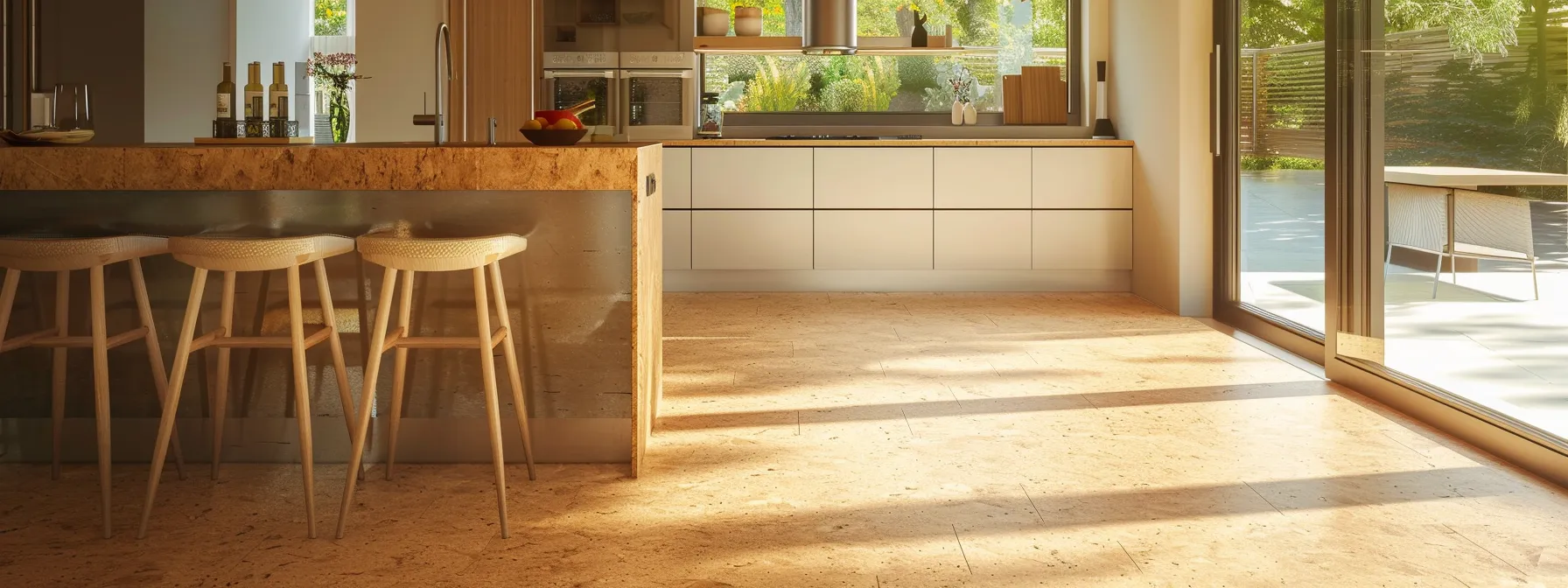
Cork flooring offers a unique blend of comfort and sustainability, making it an appealing option for kitchen renovations. Homeowners appreciate its natural cushioning, which provides a softer surface underfoot compared to harder materials like slate, reducing fatigue during meal preparation and clean-up. Additionally, cork‘s innate resistance to stains and water, when treated with a layer of polyurethane, enhances its functionality in a room that frequently encounters spills, particularly near the dishwasher. Despite these advantages, potential drawbacks exist; homeowners must be aware of cork‘s susceptibility to moisture damage over time and consider long-term maintenance needs. An informed decision regarding cork will balance its practical benefits with the care it requires in a bustling kitchen environment.
Reasons to Choose Cork Flooring
Cork flooring stands out as an eco-friendly choice for kitchen renovations, effectively complementing other natural materials such as bamboo and sandstone. Its inherent antimicrobial properties help reduce dust buildup, ensuring a cleaner environment, particularly in spaces used for cooking. Homeowners appreciate the unique combination of comfort and sustainability that cork offers, making it an attractive flooring option for busy kitchens.
Drawbacks of Cork in the Kitchen
While cork flooring offers numerous benefits, it also has its drawbacks in a kitchen setting. Its natural susceptibility to moisture can lead to damage if spills are not promptly cleaned or if the kitchen remodel does not adequately address moisture control. Furthermore, cork may fade in direct sunlight, diminishing its aesthetic appeal over time, necessitating careful consideration during the design phase.
Moisture sensitivity can lead to potential damage.
Requires prompt cleaning of spills to prevent deterioration.
Prone to fading under direct sunlight over time.
Cork floors provide a cozy, eco-friendly option that cushions every step, perfect for creating a welcoming atmosphere. Meanwhile, concrete flooring steps in with bold designs and sleek finishes, making it an ideal choice for those who crave a contemporary edge.
6. Concrete Flooring for a Modern Look
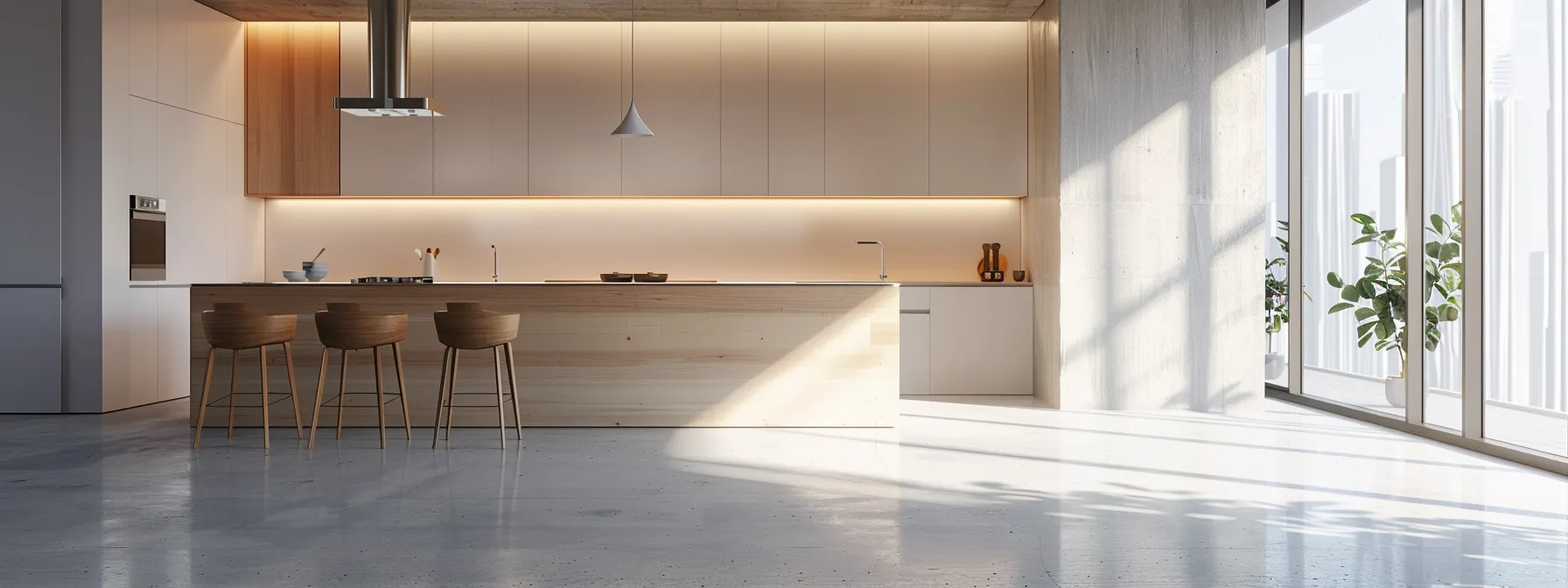
Concrete flooring presents a contemporary choice that appeals to homeowners aiming for a sleek and industrial aesthetic in their kitchens. Its durability ranks it among the most resilient flooring options available, capable of withstanding heavy foot traffic and general wear. Additionally, concrete can be treated with various finishes and stains, allowing for unique designs that suit individual tastes. While the advantages are compelling, concrete flooring is not without its challenges. Homeowners should be aware that its hard surface can be unyielding underfoot for extended periods and requires careful attention to temperature fluctuations, which may lead to cracking. Understanding both the positive attributes and potential drawbacks of concrete flooring will aid homeowners in determining if this material aligns with their renovation goals.
The Upside of Concrete Floors
Concrete floors offer several significant advantages, making them a popular selection for kitchen renovations. Their exceptional durability ensures they can withstand high foot traffic and resist wear and tear over time, satisfying the demands of a bustling kitchen environment. Furthermore, homeowners appreciate the range of design options available, as concrete can be stained, polished, or textured to create a unique and personalized aesthetic that complements the overall kitchen decor.
Homeowners can also benefit from the energy efficiency of concrete flooring. This material retains heat well, which can contribute to a more stable indoor temperature, particularly during colder months:
High durability that withstands daily use.
Variety of finishing options for a tailored look.
Energy-efficient properties that contribute to consistent temperature regulation.
The Downside of Concrete Flooring
Concrete flooring, while boasting impressive durability, does present some challenges that homeowners should consider. Its hard surface can be uncomfortable for long periods, especially for those who spend time on their feet while cooking or cleaning. Furthermore, concrete is susceptible to cracking due to temperature changes, which may compromise its appearance and integrity over time.
Homeowners should also be mindful that concrete requires proper sealing to protect against stains and moisture, adding another layer of maintenance to ensure its longevity.:
Unyielding feel underfoot can lead to discomfort.
Susceptible to cracking with temperature fluctuations.
Requires sealing for protection against stains and moisture.
Concrete flooring shines with its sleek, contemporary appeal, but the choice of flooring for a kitchen renovation can make all the difference. Understanding the right guidelines will empower homeowners to create a stylish and functional space.
Guidelines for Selecting the Right Flooring for Your Kitchen Renovation
Selecting the ideal flooring for a kitchen renovation requires a thoughtful approach, where several key factors come into play. Homeowners must first evaluate the durability needs of their space, ensuring the chosen material can withstand daily wear. Water resistance stands as a critical consideration, particularly in a room prone to spills and moisture. Aligning the flooring style with the overall kitchen design enhances the aesthetic appeal while maintaining a cohesive look. It is equally important to balance quality with budget, finding options that deliver value without compromising on performance. Visualizing the potential aesthetics can assist in making choices that resonate with personal taste. Finally, planning for easy maintenance ensures the floor remains functional and beautiful over time, allowing homeowners to enjoy their renovations without added stress.
Assessing the Durability Needs
When assessing durability needs for kitchen flooring, homeowners should consider the level of foot traffic the area experiences. High-traffic kitchens require materials that resist scratches, dents, and other forms of wear, ensuring longevity despite daily challenges. It’s also vital to evaluate how well each flooring option withstands spills and moisture, as kitchens often see a variety of substances that can cause damage if not addressed appropriately.
Considering Water Resistance
This paragraph highlights the significance of water resistance when selecting flooring for a kitchen renovation. Given the likelihood of spills and splashes in this highly utilized space, homeowners must prioritize materials that can effectively repel moisture. Choosing water-resistant flooring reduces the risk of damage, enhances the longevity of the materials, and contributes to a cleaner, more hygienic environment.
Matching the Kitchen’s Style
When updating a kitchen, homeowners should ensure that the new flooring complements the overall design and aesthetic. Selecting a flooring material that harmonizes with cabinetry, countertops, and other design elements can enhance the visual coherence of the space. A well-matched floor not only contributes to an inviting atmosphere but also reinforces the intended style, whether it be modern, rustic, or traditional.
Balancing Quality With Budget
Investing in kitchen flooring requires careful consideration of both quality and budget. Homeowners should assess their needs to identify options that provide durability while adhering to financial constraints. By exploring a variety of materials and seeking expert guidance, individuals can select flooring that enhances both functionality and aesthetic appeal without compromising on overall value.
Visualizing the Aesthetics
Visualizing the aesthetics of kitchen flooring plays a crucial role in ensuring a cohesive design that resonates with personal style. Homeowners benefit from considering how different materials, colors, and textures can interact with existing features, such as cabinetry and countertops, to create an inviting atmosphere. A well-thought-out selection not only enhances the overall beauty of the space but also helps establish a focal point that elevates the kitchen’s functionality and appeal.
Planning for Easy Maintenance
Choosing flooring that simplifies maintenance can significantly enhance the overall functionality of a kitchen. Homeowners should prioritize materials that are easy to clean and resistant to staining, minimizing the time and effort required to keep the space looking pristine. Furthermore, considering options that require minimal upkeep ensures that the floor remains in good condition for years to come:
Opt for water-resistant materials to prevent damage from spills.
Consider finishes that require less frequent sealing or treatments.
Choose options with smooth surfaces that facilitate easy cleaning.
Choosing the perfect flooring is just the first step in your kitchen renovation journey. Next, it’s time to weigh the benefits of tackling the installation yourself or enlisting the expertise of professionals for a flawless finish.
Deciding Between DIY and Professional Installation of Your New Kitchen Floor
Homeowners must carefully consider their choice between DIY installation and hiring professionals for new kitchen flooring. While a DIY approach may offer cost savings and a sense of personal achievement, it often requires a significant time commitment and a solid understanding of flooring materials and installation techniques. Improper installation can lead to costly mistakes that may compromise the durability and appearance of the floor.
On the other hand, enlisting professional services ensures a high-quality installation that adheres to industry standards. Professionals bring the experience and expertise needed to handle various flooring materials, effectively addressing challenges that may arise during the project. This added assurance often translates into better longevity and performance of the flooring, providing peace of mind for homeowners.
Ultimately, the decision hinges on the homeowner’s confidence in their abilities and their desire for a flawless finish. Those comfortable with hands-on work may choose to undertake the project as a personal endeavor, while others might prefer the reliability of expert help to guarantee an optimal outcome. Either way, understanding the implications of each approach is crucial for achieving a successful kitchen makeover.
Smart Spending for Your Kitchen Redo: How to Save Big on Renovations
Renovating a kitchen can be a rewarding venture, but managing costs is essential for achieving the desired outcome without breaking the bank. By utilizing resources such as the HIA website and embracing your existing layout—be it a wall, drawer, or even elements from a local cabinet shop—you can minimize expenses while maximizing style. Smart kitchen renovations focus on practicality and aesthetic appeal, ensuring that each decision contributes to the overall vision. Keep reading to uncover valuable tips on how to save significantly during your kitchen redo, from keeping the existing floorplan to strategically picking where to splurge. Each suggestion will empower homeowners to create their dream kitchen without the associated hefty price tag.
Key Takeaways
retaining the existing kitchen layout reduces renovation costs while maintaining functionality
engaging a designer can optimize space and enhance workflow without significant expenses
refinishing cabinets and upgrading hardware are cost-effective ways to refresh a kitchen’s aesthetic
incorporating vintage furniture offers unique storage solutions and adds character to the space
prioritizing one investment area can enhance the kitchen’s overall design and functionality
Save Money on Your Kitchen by Keeping the Existing Floorplan
Retaining the existing kitchen floorplan can significantly reduce renovation costs while maintaining functionality. Assessing the advantages of the current layout allows homeowners to identify efficient work zones and optimal flow. Consulting with a designer introduces innovative optimization ideas that can refresh the space without extensive overhauls. By keeping plumbing and electrical placements intact, significant expenses associated with repositioning appliances—like a brand new dishwasher—can be avoided. Moreover, existing materials, such as quartzite countertops or durable porcelain tile, can be reused, further stretching the renovation budget while still achieving a polished look.
Assess Your Current Layout Benefits
Evaluating the current layout of a kitchen can reveal numerous benefits that contribute to a successful renovation. Homeowners should consider how their kitchen cabinets are positioned, taking into account factors such as ceiling height and nearby areas for decorative pottery. By assessing the existing floor plan, it’s possible to enhance workflow while avoiding unnecessary expenditures that might arise from a complete redesign. For more information, you can visit the HIA website.
Consult With a Designer for Optimization Ideas
Engaging a designer for kitchen remodeling can introduce a fresh perspective on the existing layout. Designers will assess spaces, suggesting innovative uses for materials like plywood and metal that align with the homeowner’s vision. This collaboration can effectively address issues such as mold prevention and optimize overall functionality while keeping costs manageable.
Implementing a designer’s insights not only maximizes the workspace but also rejuvenates the kitchen’s aesthetic without a full remodel. A designer can recommend techniques to enhance the layout, so crucial elements remain intact, and dramatic transformations occur without the financial strain often associated with extensive renovations:
Key Focus Areas
Designer Recommendations
Space Utilization
Enhance workflow efficiency by rearranging components
Material Selection
Incorporate plywood and metal finishes for durability and style
Mold Prevention
Employ design strategies that minimize moisture exposure
Avoid Costly Plumbing and Electrical Changes
Avoiding costly plumbing and electrical changes can lead to significant savings during a kitchen renovation. By maintaining the existing floor plan, homeowners can keep vital components, such as sinks and stovetops, in their current locations. This approach not only protects the integrity of custom kitchen cabinets but also reduces the need to replacestainless steelappliances and reroute wiring, making the entire remodeling process more efficient and budget-friendly.
Careful planning ensures that the layout maximizes the use of the existing tile and fixtures, creating a harmonious flow in the room. Staying within the parameters of the original setup allows for a fresh design without incurring additional expenses, offering a seamless transition into a revitalized kitchen space.
Transforming your kitchen doesn’t always mean starting from scratch; sometimes, the best solutions lie in maximizing your current layout. Unlock hidden savings by learning how to creatively utilize what you already have for a stunning remodel.
How to Save Money on Your Kitchen Remodel by Using What You Have
Maximizing savings during a kitchen renovation involves creatively utilizing existing elements to enhance the space without overspending. Homeowners can start by refinishing or repainting existing cabinets, allowing for a refreshed appearance without the costs associated with new carpentry. Upgrading hardware, such as knobs and pulls, brings a modern touch while maintaining the charm of a farmhouse aesthetic. Additionally, repurposing furniture—like a vintage dresser or sideboard—can provide valuable storage solutions and unique character. Introducing a statement light fixture can tie the design together, creating an inviting ambience that complements features like a quartzcountertop or a sleek cooktop. These strategic updates offer a cost-effective way to achieve a stylish kitchen without sacrificing quality or functionality.
Refinish or Repaint Existing Cabinets
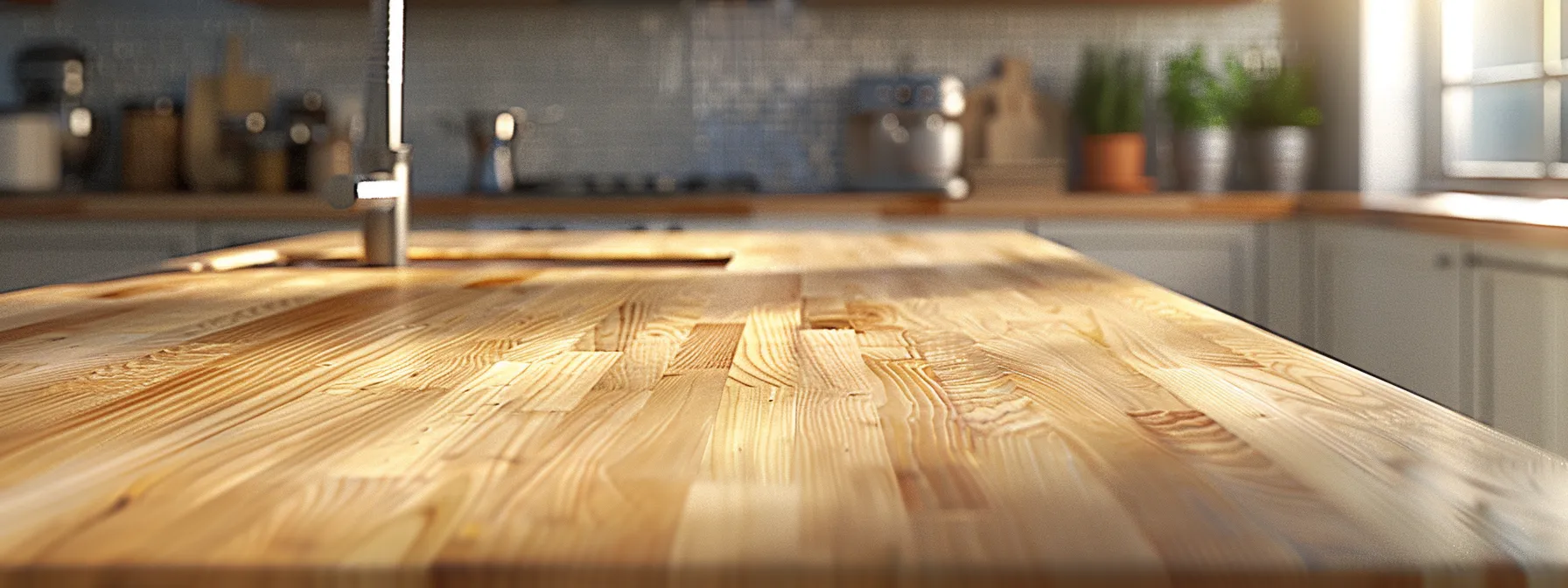
Refinishing or repainting existing cabinets offers homeowners an excellent opportunity to revitalize their kitchen without incurring high costs. This process not only brings a fresh look to the space but also allows for personal expression, especially when coordinating colors with elements like butcher block countertops. By focusing on cabinet updates, individuals can save significantly compared to the price of new cabinetry, ensuring that funds can be allocated towards other renovations, such as a stylish bathroom upgrade.
Options for refinishing and repainting cabinets include the following:
Stripping old paint or stain to reveal the natural wood grain.
Applying a crisp, modern color for a contemporary appearance.
Using high-quality finishes to ensure durability and longevity.
Upgrade Hardware for a Fresh Look
Upgrading hardware is a simple yet impactful way to refresh a kitchen’s aesthetic without significant spending. Focusing on materials such as polished metal pulls or porcelain knobs can enhance the visual appeal of cabinetry made from oak, infusing modernity while complementing traditional elements. For a cohesive look, pairing these updates with a stunning marblecountertop can create a seamless transition between the kitchen and pantry, elevating the overall design while maintaining functionality.
Repurpose Furniture for Additional Storage
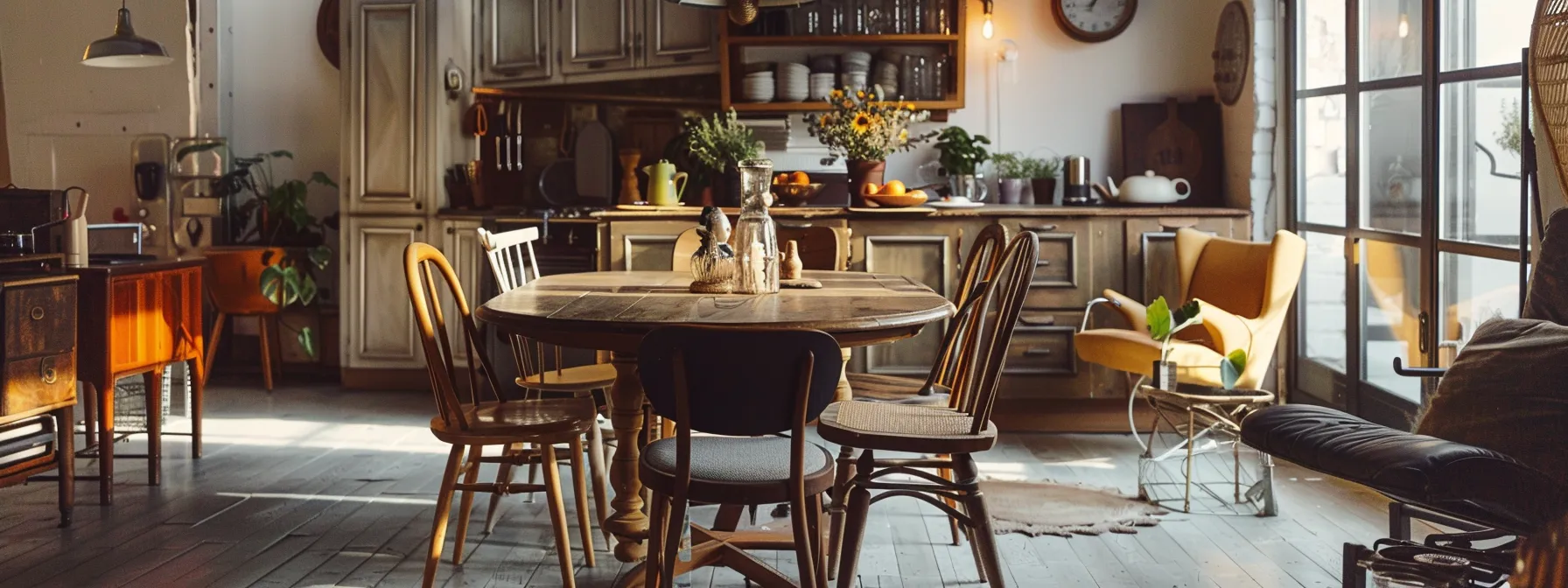
Repurposing furniture for additional storage can transform a kitchen into a highly functional workspace while enhancing its interior design. Homeowners can creatively utilize items like a vintage dresser or a chic sideboard as storage for dishware or cooking essentials, strategically placing these pieces on the floor near the stove for easy access. This do it yourself approach not only maximizes space but also allows individuals to take inventory of their kitchen items, ensuring efficient organization and a stylish appearance.
Reinventing a kitchen on a budget opens up a world of creative possibilities. Molding and plywood can dramatically enhance your remodel without straining your wallet.
How to Save Money With Molding and Plywood
Utilizing molding and plywood can significantly elevate the aesthetic of a kitchen remodel while adhering to a budget. Adding affordable trim enhances cabinetry, providing a polished finish that transforms standard cabinets into impressive focal points. Plywood accents introduce warmth and texture, offering a custom look that rivals expensive solid surface materials. Moreover, adopting DIY decorative elements enables homeowners to infuse character into their kitchen renovation, creating a unique atmosphere that resonates with personal style. These strategies not only optimize the visual appeal of the space but also contribute to a practical, well-organized kitchen centered around essential features like the sink.
Enhance Cabinetry With Affordable Trim
Enhancing cabinetry with affordable trim presents a smart way to elevate the overall look of a kitchen during remodeling. A general contractor can suggest various trim styles that pair well with existing appliances and lighting, transforming simple cabinets into visually striking elements. Adding decorative door trims not only amplifies aesthetic appeal but also reflects an attention to detail that is often sought after in quality kitchen renovations.
Consult a general contractor for trim options.
Select trim styles that compliment appliances.
Consider how lighting interacts with the cabinetry.
Install decorative trims to highlight cabinet doors.
Create a Custom Look With Plywood Accents
Plywood accents provide a unique opportunity for homeowners focused on planning their kitchen renovations while staying within budget. Integrating these elements into cabinetry not only delivers a stylish, custom look but also introduces warmth that complements materials like granite. Additionally, pairing plywood accents with crown molding can elevate the overall design, ensuring that the kitchen reflects the homeowner’s taste while achieving an impressive result in home improvement.
Identify areas where plywood can enhance cabinetry.
Incorporate crown molding for a polished finish.
Balance the natural look of plywood with elegant granite features.
Focus on thoughtful planning to maximize visual impact.
DIY Decorative Elements to Add Character
Incorporating DIY decorative elements into a kitchen renovation not only adds character but also showcases the homeowner’s creativity. For example, using recycled ceramic tiles as a backsplash can create a stunning focal point while promoting sustainability. Additionally, incorporating steel fixtures, like shelving or unique cabinet handles, introduces an industrial flair that complements modern kitchen aesthetics.
Exploring budget-friendly materials like molding and plywood opens up new possibilities for creative renovations. Next, savvy shoppers will learn how to maximize savings by capitalizing on big box store sales.
How to Save Money by Shopping Big Box Stores for Sales
Finding ways to save on kitchen renovations becomes simpler when homeowners take advantage of promotions offered by big box retailers. Signing up for newsletters provides early sale notifications, ensuring that the latest deals on items like stylish pendant lights or quality wood cabinets are not missed. Price comparison and matching policies help secure the best possible prices, allowing individuals to maximize their renovation budgets. Additionally, exploring clearance items and floor models can uncover hidden gems at significantly reduced prices, contributing to a successful kitchen makeover without breaking the bank. These strategies empower homeowners to approach their kitchen construction projects with confidence and financial savvy.
Sign Up for Newsletters to Get Early Sale Notifications
Signing up for newsletters from big box stores provides an opportunity for homeowners to receive early notifications about sales and promotions on essential kitchen items, such as hardwood flooring and butcher block countertops. This proactive approach empowers individuals to plan their renovations strategically, ensuring they take full advantage of discount offerings and special deals. By keeping an eye on upcoming sales, homeowners can incorporate upcycling techniques into their projects, utilizing discounted materials creatively while maximizing their budget.
Compare Prices and Match for the Best Deal
Comparing prices across various retailers helps homeowners identify the best deal on essential kitchen items. Big box stores often have price matching policies, which allow consumers to leverage lower prices found elsewhere, ensuring they invest wisely in their renovations. This strategy maximizes the renovation budget, allowing for more significant upgrades or additional features without overspending:
Research prices before making purchases.
Utilize price matching policies to secure discounts.
Monitor competitor sales for potential savings.
Look for Clearance Items and Floor Models
Exploring clearance items and floor models at big box stores can lead to substantial savings during a kitchen renovation. Retailers often discount these products to make way for new inventory, allowing homeowners to acquire high-quality materials and appliances at a fraction of the regular price. By keeping an open mind and being willing to adapt their plans around available options, shoppers can find remarkable pieces that enhance their kitchen’s design while remaining budget-conscious.
Big box stores offer unbeatable deals, but there’s another powerful way to stretch your budget even further. Adding well-chosen furniture can enhance your space and save you money at the same time!
How to Save Money by Adding in Furniture
Incorporating furniture into a kitchen renovation can lead to creative and cost-effective solutions that enhance both usability and style. Homeowners can utilize freestanding pieces, such as carts or shelves, to create flexible storage options that adapt to evolving needs. Thrift stores offer unique finds that add character without hefty price tags, allowing individuals to infuse personality into their space. Additionally, customizing inexpensive furniture can ensure a perfect fit while achieving a cohesive design. By strategically integrating furniture, homeowners can transform their kitchens into functional and inviting areas that reflect their personal taste without straining their budgets.
Use Freestanding Pieces for Flexible Storage Solutions
Utilizing freestanding pieces in a kitchen renovation effectively enhances storage capabilities while adding a touch of style. Items such as mobile carts, shelving units, or rustic islands can serve as both functional storage solutions and design elements, allowing homeowners to optimize their space without the need for permanent installations. This approach not only encourages flexibility but also enables easy reconfiguration as needs evolve, ensuring that the kitchen remains both practical and visually appealing.
Shop Thrift Stores for Unique Finds
Shopping at thrift stores offers homeowners the chance to discover one-of-a-kind pieces that can elevate the kitchen’s design for a fraction of the retailprice. From vintage furniture to unique decor, each item tells a story and adds character to the space. By browsing through these shops, individuals may find stylish solutions that fit their specific aesthetic without the need for significant financial outlay:
Identify potential hidden treasures during each visit.
Consider planning regular trips to multiple locations.
Think creatively about how each piece can be integrated into the kitchen.
Customize Inexpensive Furniture to Fit Your Space
Customizing inexpensive furniture allows homeowners to tailor items specifically for their kitchen space. Simple modifications, such as painting, refinishing, or adding hardware, can instantly elevate the aesthetic while ensuring functionality. This approach not only keeps costs low but also results in unique pieces that resonate with individual style, making the kitchen feel both inviting and personal.
As budget-friendly updates elevate your space, it’s time to focus on that special element that can make all the difference. Choose one standout feature to indulge in, setting the tone for your entire renovation project.
Pick One Place to Splurge
Prioritizing one area of investment can effectively streamline kitchen renovation budgets while enhancing overall value. By selecting a focal point, homeowners can ensure their most significant investment makes a striking impact, whether it’s a state-of-the-art appliance, a luxurious countertop, or an eye-catching light fixture. Balancing this splurge with cost-saving strategies in other aspects of the kitchen allows for a cohesive design without overspending. Homeowners should also consider quality over quantity, opting for durable materials that provide long-term benefits and aesthetics, ultimately creating a space that remains both functional and visually appealing for years to come.
Decide on a Focal Point for the Investment
Choosing a specific area to invest in during a kitchen renovation can greatly enhance the overall aesthetic and functionality of the space. Homeowners can focus their budget on a standout feature, such as a premium appliance or a visually striking backsplash, which will act as the centerpiece of the kitchen. This strategic allocation not only creates a focal point but also ensures the investment delivers value and impact.
Identify the key area of focus for your renovation.
Consider high-quality appliances or unique design elements.
Ensure the chosen focal point complements the overall kitchen design.
Balance the Budget by Saving in Other Areas
Finding ways to save in various aspects of a kitchen renovation can allow homeowners to allocate more funds toward a chosen splurge. By targeting specific areas for savings, individuals can make informed decisions that enhance their space without sacrificing quality. Opting for cost-effective solutions, such as affordable fixtures or repurposed materials, can create a balanced budget while delivering impressive results.
Assess areas where reductions can be made.
Consider alternatives for high-end materials.
Focus on functional upgrades that provide lasting value.
Choose Quality Over Quantity for Lasting Value
Investing in high-quality materials can yield significant long-term benefits for a kitchen renovation. Homeowners are encouraged to focus their budget on fewer but superior items that enhance both durability and aesthetic appeal. This approach not only elevates the overall look of the kitchen but also ensures that elements withstand wear over time, ultimately providing lasting value.
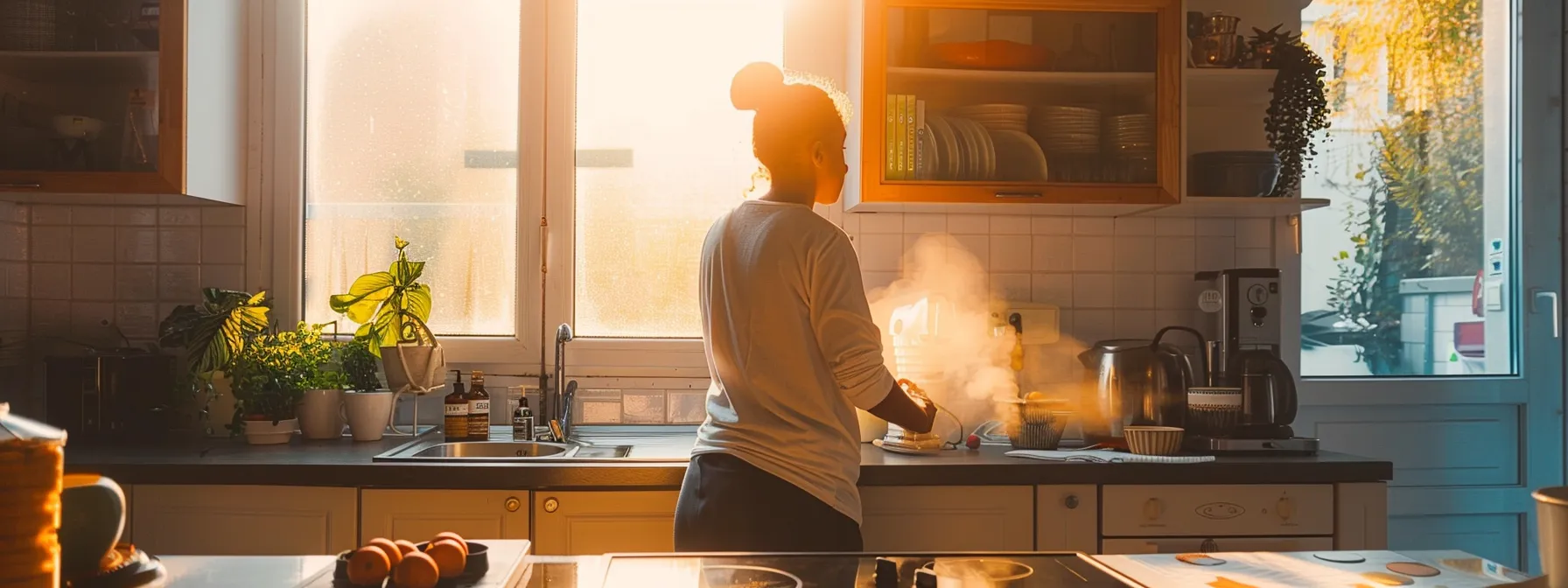
Kitchen renovations have evolved dramatically, especially with the rising influence of home automation. The Housing Industry Association showcases a growing trend towards integrating smart appliances that enhance convenience and efficiency in cooking and meal preparation. Picture a kitchen equipped with devices that can manage everything from controlling the drawer for utensils to dispensing fabric softener for laundry tasks. Imagine crafting meals effortlessly with the touch of a button while enjoying the seamless connectivity that smart technology provides. Keep reading to discover the essential features, perks, and routines that can transform any kitchen into a modern culinary hub.
Key Takeaways
Smart technology enhances kitchen functionality and convenience for everyday cooking tasks
Voice-controlled devices allow for hands-free multitasking during meal preparation
Touchscreen fridges simplify grocery management and meal planning efficiency
Smart ovens provide remote capabilities for precise cooking control and monitoring
Automated routines seamlessly integrate appliances for an organized and efficient kitchen experience
The Smart Kitchen Features That Matter
The integration of smart technology into kitchen design reveals essential features that enhance both functionality and convenience. Voice-controlled devices empower cooks with hands-free options, enabling them to multitask efficiently without losing focus on their culinary creations. Meanwhile, touchscreen fridges have transformed grocery shopping, allowing users to create lists and explore recipes effortlessly. Smart ovens now offer remote preheating capabilities and cooking monitoring, ensuring meals are cooked to perfection from anywhere in the home. Dishwashers equipped with smart technology streamline cleaning schedules and promote energy efficiency, reducing consumption without sacrificing performance. Additionally, smart coffee makers automate the morning routine, guaranteeing fresh brews at the touch of a button. Finally, smart faucets offer water-saving features that not only conserve resources but also save valuable time in meal preparation. These innovative elements from leading brands redefine the modern kitchen experience, showcasing how thoughtful integration of smart devices can elevate daily tasks. Housing Industry Association
Integrating Voice-Controlled Devices for Hands-Free Cooking
Integrating voice-controlled devices into the kitchen can significantly enhance the cooking experience for any chef. These home appliances, often linked to a virtual assistant, respond to simple voice commands, allowing for seamless multitasking without interrupting the kitchen renovations process. With built-in sensors, these appliances help monitor cooking times and temperatures, ensuring that each meal is prepared to perfection.
Key benefits of integrating voice-controlled devices include:
Enhanced multitasking capabilities
Improved efficiency with hands-free operation
Time-saving convenience during meal preparation
Touchscreen Fridges: Creating Shopping Lists to Recipe Browsing
Touchscreen fridges have revolutionized kitchen management by allowing users to create shopping lists and browse recipes directly from the appliance. With integration capabilities for GE appliances, these smart fridges can sync effortlessly with Amazon Alexa, making meal planning not only simpler but also more efficient. Additionally, their focus on energy-saving features ensures that the kitchen functions harmoniously while minimizing waste, enhancing the overall cooking experience.
The Revolution of Smart Ovens: Remote Preheating and Cooking Monitoring
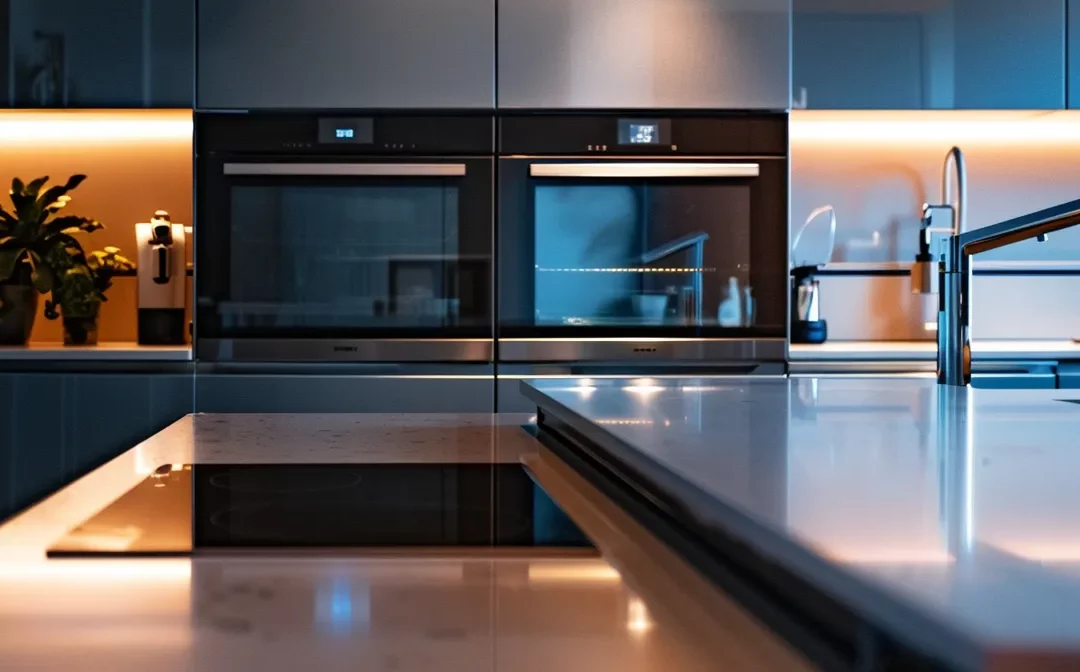
Smart ovens are redefining the baking landscape by incorporating features like remote preheating and cooking monitoring, which appeal to both seasoned chefs and home cooks alike. Many of these appliances, designed in sleek stainless steel, seamlessly blend with modern kitchen aesthetics, especially during remodeling projects. The dual fuel options allow for an optimal combination of induction cooking and traditional methods, providing flexibility and precision for every culinary task.
As users harness smart technology, baking becomes a more precise and enjoyable experience. These ovens enable effortless monitoring through mobile applications, ensuring that every dish achieves the perfect outcome without constant supervision. This innovation not only saves time but enhances efficiency, making it a valuable addition to any contemporary kitchen.
Feature
Description
Remote Preheating
Allows users to preheat the oven from anywhere, saving time and ensuring readiness.
Cooking Monitoring
Enables users to track cooking progress via a smartphone, preventing overcooking.
Dual Fuel Options
Combines induction cooking with traditional fuel sources for versatility in meal preparation.
Stainless Steel Design
Provides a modern look that fits seamlessly into remodeled kitchens.
Smart Dishwashers: Scheduling and Energy Efficiency
Smart dishwashers bring a new level of convenience and efficiency to kitchen management, allowing homeowners to schedule cleaning cycles based on their cooking routines. These appliances can be programmed to operate during off-peak energy times, much like a smart thermostat optimizes heating and cooling in a room. With advanced sensors, they ensure dishes are clean and dry with minimal water usage, providing a remarkable finish while integrating seamlessly with modern lifestyles and helping to maintain a tidy space alongside other smart appliances like robot vacuums.
The Role of Smart Coffee Makers in Automating Your Morning Routine
Smart coffee makers are revolutionizing morning routines by providing an effortless way to enjoy freshly brewed coffee right from the countertop. With programmable settings, users can wake up to the aroma of coffee, eliminating the need for early morning noise that interrupts peaceful moments. As an added benefit, many of these appliances are Energy Star certified, ensuring efficiency while consuming minimal energy, complementing other appliances like cooktops and dishwashers that prioritize sustainability in daily kitchen operations.
How Smart Faucets Save Water and Time
Smart faucets streamline kitchen tasks while conserving water efficiently. By integrating with a home network, users can effortlessly control water flow and temperature, allowing for hands-free operation, which is especially convenient during meal preparations. Additionally, these faucets can be programmed to dispense precise quantities of water, perfectly accommodating needs for tasks like rinsing vegetables or filling an espresso machine, ultimately contributing to an organized kitchen inventory.
Feature
Description
Hands-Free Operation
Allows users to activate water flow without using hands, ideal for busy cooking environments.
Precise Dispensing
Delivers specific amounts of water for accurate cooking and kitchen tasks.
Water Conservation
Minimizes water usage, aligning with sustainable practices in both kitchen and bathroom contexts.
Home Network Integration
Connects to smart home systems for enhanced control and monitoring.
As technology continues to advance, the concept of a smart kitchen reaches new heights. Embracing remote control features adds incredible convenience and versatility to everyday cooking experiences.
Remote Control Smart Kitchen Perks
Integrating innovative smart technologies into the kitchen creates a dynamic environment that supports cooking endeavors while enriching lifestyle choices. Smart lighting allows homeowners to set the perfect ambiance, transforming the kitchen space for any occasion, from cozy dinners to entertaining guests. Enhanced security features, such as smart smoke detectors and alarms, provide peace of mind, ensuring safety in areas near the stove and pantry. Additionally, smart displays serve as vital tools for following recipes or streaming cooking shows, making culinary exploration accessible and enjoyable. Fridge cameras and inventory apps streamline grocery management, allowing users to monitor supplies without opening the door. Meanwhile, home assistants act as the central hub, integrating various devices seamlessly, leading to a cohesive and efficient kitchen remodel that enhances daily routines and fosters culinary creativity.
Adjusting Your Kitchen Ambiance With Smart Lighting
Smart lighting transforms kitchen spaces by offering control over the ambiance, enhancing both functionality and aesthetics. Lighting can be automated to adjust based on the time of day or activity, providing the perfect brightness for meal prep at the sink or cozy dinners. With the integration of these advanced lighting solutions, users can effortlessly create the ideal atmosphere for brewing espresso or entertaining guests.
Adjust lighting for various kitchen activities.
Create an inviting atmosphere for gatherings.
Utilize automation to enhance convenience.
Enhancing Security With Smart Smoke Detectors and Alarms
Smart smoke detectors and alarms significantly enhance kitchen safety by connecting with cabinetry and other home systems. These devices communicate with smart speakers to provide real-time alerts and notifications, ensuring that consumers are informed about potential hazards arising from the oven or other appliances. Their touchscreen interfaces allow for easy configuration and monitoring, empowering homeowners to maintain a secure cooking environment with minimal effort.
Using Smart Displays to Follow Recipes and Stream Cooking Shows
Smart displays have become essential tools in modern kitchens, simplifying the cooking process while providing versatility for culinary enthusiasts. Users can easily follow recipes, access instructional videos, and stream cooking shows directly from these integrated screens, all while maintaining a smoothly ventilated environment. The inclusion of features like barcode scanning allows for quick access to ingredient details, complementing the ease of use that remote control functionalities offer for various kitchen appliances, including air purifiers and ovens crafted from durable steel for enhanced performance.
Feature
Description
Recipe Access
Follow recipes and cooking demos seamlessly on smart displays.
Streaming Capability
Watch cooking shows for inspiration while preparing meals.
Barcode Scanning
Quickly access ingredient information and instructions.
Remote Control
Manage kitchen appliances from the smart display interface.
Managing Groceries With Fridge Cameras and Inventory Apps
Managing groceries has become more efficient with the advent of fridge cameras and inventory apps integrated into smart refrigerators. These features, often compatible with Google Assistant, allow users to check their inventory remotely, ensuring they always know what they have on hand. This integration not only simplifies meal planning but also helps in minimizing food waste, all while supporting appliances that come with a warranty to ensure product reliability.
Utilization of fridge cameras for inventory monitoring.
Integration with Google Assistant for seamless management.
Reduction in food waste through efficient tracking.
Reliability assured with warranty coverage on smart appliances.
Home Assistants: The Hub of Your Smart Kitchen
Home assistants seamlessly unify the smart kitchen experience, integrating multiple devices into a single, efficient interface. These hubs facilitate simplified control over various appliances, enabling users to manage everything from ovens to lighting with voice commands or touch screens, enhancing convenience throughout the cooking process.
Feature
Description
Centralized Control
Allows users to manage all smart devices from one interface.
Voice Activation
Enables hands-free operation of appliances for increased convenience.
Device Integration
Connects various kitchen gadgets to optimize workflow.
Remote Monitoring
Empowers users to oversee kitchen operations from a distance.
Smart kitchens offer a wealth of convenience at your fingertips. Discover how establishing effective routines can further simplify your smart-cooking experience.
Building Routines That Make Smart-Cooking Easier
Utilizing smart appliance integrations can significantly enhance daily routines in the kitchen. Automated morning wakeup routines synchronize coffee makers and smart lights, awakening homeowners gently with the aroma of freshly brewed coffee and soft illumination. Crafting a personalized cooking mode allows users to set ideal temperatures and timings, making the most out of every culinary endeavor. For late-night snacks, the kitchen nightlight mode offers a subtle glow, ensuring ease of movement without disrupting the household. Employing slow roasting mode simplifies dinner preparations, enabling meals to cook gently while freeing up time for other activities. When hosting guests, smart party mode will set all necessary appliances to cater perfectly to needs, while recipe doom timers ensure meals are executed with precision, preventing overcooking and enhancing overall dining experiences. Overall, these features create a seamless cooking environment, making smart cooking an effortless daily affair.
Setting Up Automated Morning Wakeup Routines
Automated morning wakeup routines can streamline the start of each day, enhancing convenience and ensuring a smooth transition from rest to activity. By programming smart appliances to operate in harmony, homeowners can wake to the rich scent of freshly brewed coffee, while gentle lighting gradually illuminates the kitchen, setting an inviting tone for breakfast. This thoughtful configuration not only eases the morning rush but also establishes a calming atmosphere for any individual’s daily routine.
Routine Action
Description
Coffee Maker Activation
Automatically brews coffee at a set time, welcoming homeowners with a fresh aroma.
Lighting Adjustment
Smart lights gradually brighten to mimic natural sunlight, creating a pleasant wake-up ambiance.
Temperature Control
Adjusts the thermostat to a comfortable level, ensuring a pleasant atmosphere upon waking.
Smart Speaker Notifications
Provides reminders or news updates through connected devices, keeping users informed from the start.
Crafting Your Perfect Cooking Mode With Smart Appliances
Crafting a personalized cooking mode using smart appliances allows individuals to optimize their culinary experiences with precision and ease. These appliances can be programmed to adjust settings such as temperature and cooking time based on specific recipes or personal preferences, ensuring consistently excellent results. As users integrate these tailored cooking modes into their routines, they experience enhanced consistency and efficiency, making every meal preparation a seamless experience.
Activating Kitchen Nightlight Mode for Late-Night Snacks
Activating kitchen nightlight mode provides a practical solution for those late-night snack cravings. This feature illuminates essential areas of the kitchen softly, allowing individuals to navigate safely without overwhelming brightness. As a result, it enhances convenience while maintaining a calming atmosphere for nighttime food preparations.
Using Slow Roasting Mode for Effortless Dinners
Using the slow roasting mode in smart ovens enables cooks to prepare flavorful and tender dishes with minimal effort. This feature allows for precise temperature control over extended cooking periods, ensuring that meats and vegetables develop rich flavors without constant oversight. By setting the slow roast function, individuals can set their meal and focus on other activities while dining preparations unfold effortlessly.
Set the oven to slow roasting mode for optimal results.
Add desired ingredients and seasonings.
Enjoy time for other activities while dinner cooks slowly to perfection.
Preparing for Guests With a Smart Party Mode
Smart party mode serves as a valuable tool for homeowners who enjoy hosting gatherings, simplifying the process of preparing for guests. By leveraging smart appliances, individuals can automate various kitchen functions, ensuring that everything from cooking to cleaning aligns seamlessly with the event’s schedule. This integration enhances the overall entertaining experience, allowing hosts to focus more on their guests and less on logistics:
Automate oven settings to prepare multiple dishes simultaneously.
Utilize smart lighting to create an inviting atmosphere for guests.
Schedule appliance operations for efficient clean-up post-event.
Leveraging Recipe Doom Timers for Perfectly Timed Meals
Recipe doom timers serve as a fundamental feature in many smart ovens, enabling users to achieve perfect meal timing effortlessly. By setting specific durations and notifications, cooks can focus on other meal preparation tasks without the constant worry of overcooking. This technology enhances the cooking process, allowing for a more relaxed and enjoyable kitchen experience.
Utilizing recipe doom timers can simplify meal preparation with these key benefits:
Ensures precise cooking durations for various dishes.
Frees up attention for multitasking in the kitchen.
Provides notifications to prevent overcooking and enhance meal quality.
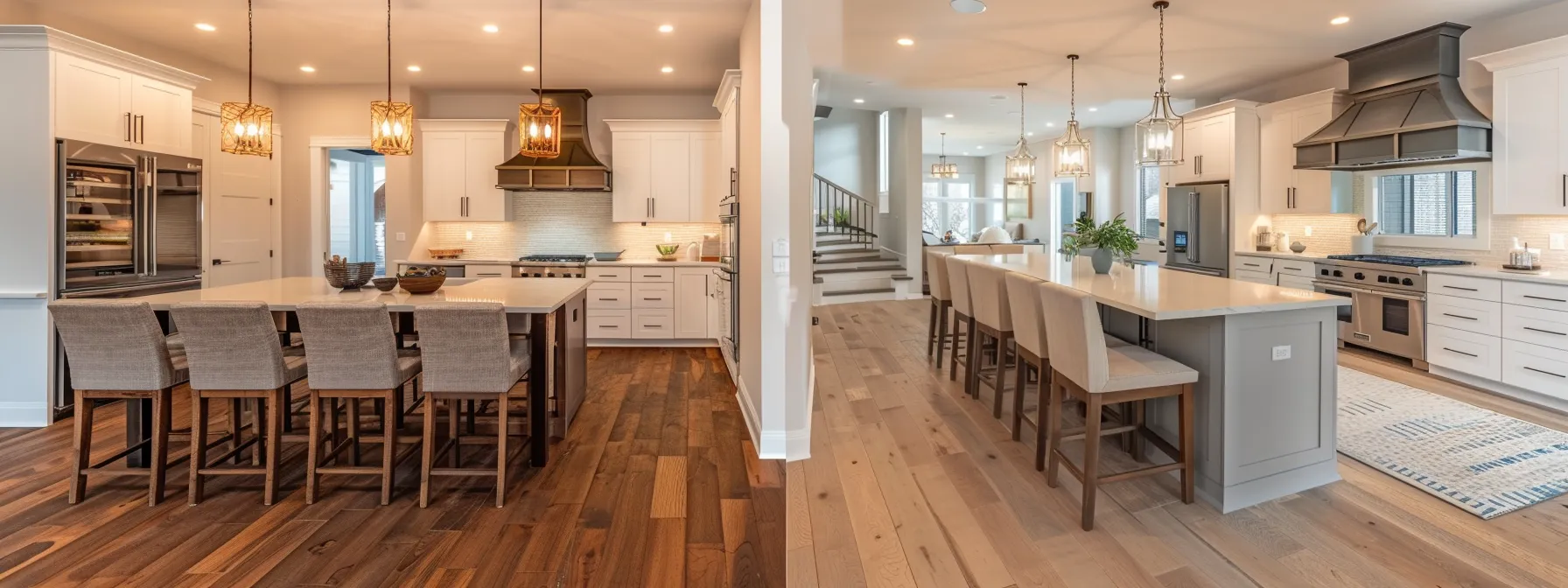
In today’s fast-paced world, smart kitchen renovations can transform a space without breaking the bank. According to the Housing Industry Association, incorporating elements like cabinetry, metal accents, and stylish pendantlighting can revitalize any kitchen. With careful planning and creative thinking, it’s possible to create a warm and functional atmosphere that reflects personal style. Budget-friendly options abound, making it easier than ever to achieve a stunning upgrade. Keep reading to explore practical tips and innovative ideas that will help you make the most of your kitchen makeover!
Key Takeaways
DIY projects can refresh a kitchen affordably without sacrificing style or quality
Maintaining the existing kitchen layout minimizes costs associated with renovation
Upcycling thrift finds adds character and charm to the kitchen while staying budget-friendly
Incorporating open shelving creates an airy feel and showcases decorative items effectively
Proper maintenance of butcher-block countertops ensures longevity and sustained appeal
DIY What You Can
Embarking on a kitchen makeover can be achievable, even for those on a budget. Identifying simple projects to handle independently offers an excellent opportunity to enhance the space without incurring significant costs. Basic DIY skills can lead to effective upgrades, transforming everything from the look of the cabinets to the elegance of the dining room. Online tutorials provide step-by-step guidance that is accessible to everyone, making it easier to tackle decor changes and installations. For instance, refreshing old cabinets with paint instead of opting for a complete replacement can dramatically alter the kitchen’s atmosphere, allowing for savings that can be redirected towards larger appliances, such as a new oven or sink, thereby optimizing the renovation budget. Balancing practicality and personal style can lead to satisfying results that elevate the overall function and aesthetic of the kitchen.
Identify Simple Projects to Tackle on Your Own
Homeowners can achieve impressive results by selecting manageable kitchen renovations projects that enhance their kitchens. For instance, a fresh coat of spray painting can breathe new life into old cabinetry, while replacing worn-out tile backsplashes can introduce a modern touch. In addition, updating hardware, such as brass handles and knobs, provides a stylish contrast against freshly painted drywall and creates a cohesive design that emphasizes both function and beauty.
Learn Basic DIY Skills for Kitchen Upgrades
Acquiring basic DIY skills is pivotal for homeowners seeking inexpensive kitchen renovations ideas. Investments in learning techniques such as simple tiling or cabinet refinishing can significantly reduce overall renovation expenses. A well-chosen skill set empowers individuals to implement cheap kitchen renovation ideas efficiently and effectively.
Identify and prioritize areas for improvement.
Learn essential skills for basic repairs and updates.
Source materials that align with a budget.
Implement stylish upgrades like cabinet painting or hardware replacement.
Enjoy the satisfaction of a transformed kitchen without excessive costs.
Utilize Online Tutorials for DIY Kitchen Decor
Utilizing online tutorials can significantly impact a kitchen renovations renovation within any budget. Homeowners can find a variety of resources that cover topics from selecting stylish lighting to working with wood accents, ensuring that every project aligns with their kitchen reno budget. Additionally, these guides often include tips for installing new fixtures alongside appliances like dishwashers, enhancing both functionality and aesthetic appeal in kitchen improvement endeavors.
Paint Cabinets Instead of Replacing Them
Choosing to paint cabinets instead of replacing them transforms not only the kitchen but also the adjacent areas like a galley or pantry. A fresh coat of paint can breathe life into tired cabinetry, creating a modern look without the expense of a complete replacement. This approach allows homeowners to focus on their larger Housing Industry Association goals while ensuring that every wall in their space reflects their desired style through a cohesive palette.
Step
Description
1
Choose a suitable color for cabinets that harmonizes with the overall kitchen design.
2
Prepare surfaces by cleaning and sanding to ensure proper paint adhesion.
3
Apply primer to enhance durability before painting wooden surfaces.
4
Select high-quality paint meant for cabinetry to achieve a smooth finish.
5
Let the paint cure thoroughly before reinstalling hardware for a polished look.
While tackling DIY projects can be rewarding, sticking with the existing layout might just unlock the full potential of your renovation. Reimagining your space without extensive reconfigurations can lead to stunning transformations with less effort.
Stick With the Existing Layout
Maintaining the existing kitchen layout can lead to substantial savings during a renovation project. Understanding the cost benefits of not moving plumbing or gas lines can significantly lower expenses associated with installation and labor. Additionally, exploring design ideas that do not require layout changes can provide creative solutions for aesthetics and functionality. Affordable kitchen remodel ideas such as incorporating stylish wood flooring or upgrading a light fixture can enhance the space without extensive alterations. Optimizing storage within the current kitchen footprint ensures that homeowners make the most of their square footage, making it possible to achieve an effective cheap kitchen makeover while staying within budget kitchen renovation ideas.
Understand the Cost Benefits of Not Moving Plumbing or Gas Lines
Sticking with the existing kitchen layout offers significant financial advantages, particularly when renovation costs can escalate quickly. By avoiding the need to relocate plumbing or gas lines, homeowners can allocate funds towards other impactful updates, such as enhancing kitchen cabinets or investing in stylish ceramic tiles that improve the overall interior design of the room. This strategic decision contributes to making budget-friendly remodel plans more feasible without compromising on aesthetics.
Cost Benefits
Description
Reduced Labor Costs
Avoiding structural changes saves on installation fees associated with moving plumbing or gas lines.
Budget Reallocation
Extra funds can be spent on other elements like high-quality materials and stylish finishes.
Time Savings
Keeping the layout intact often shortens the renovation timeline, allowing for a quicker project completion.
Explore Design Ideas That Don’t Require Layout Changes
Finding innovative design ideas within the existing kitchen layout can dramatically enhance the space without the need for large-scale changes. For example, incorporating marble accents for the countertops adds a striking visual appeal while enhancing durability. Additionally, maximizing the use of drawers in cabinetry can improve storage efficiency, making everything easily accessible, and providing a seamless transition to areas like the laundry room or adjoining spaces.
Design Element
Description
Marble Countertops
Offers a luxurious feel and is durable for various kitchen tasks.
Drawer Organization
Increases storage efficiency and accessibility of kitchen essentials.
Cooktop Upgrades
Modern cooktops can enhance cooking convenience without layout changes.
Optimize Storage Within the Current Kitchen Footprint
Maximizing storage in a kitchen gives homeowners the opportunity to achieve a functional space while keeping costs manageable. Implementing vertical storage solutions such as shelves, hooks, and pegboards can elevate organization without the need for extensive renovations. When considering materials, investing in durable options like quartz or granite adds both style and practicality, making a kitchen remodel cheap without sacrificing quality.
Storage Solution
Description
Vertical Shelving
Utilizes wall space efficiently to store and display kitchen items.
Drawer Dividers
Keeps utensils and tools organized for quicker access.
Overhead Storage Bins
Maximizes ceiling height by storing items above head level.
Embrace the potential of your space by infusing it with vibrant touches that reflect your style. Transforming the ordinary into the extraordinary comes alive through art and decor, inviting personality into every corner.
Add Art and Decor for Personality
Enhancing a kitchen through thoughtful art and decor adds personality and warmth, making it a space where cooking becomes an enjoyable experience. Homeowners can find affordable kitchen art that elevates both the countertops and the overall design, creating a cohesive look with the floor and cabinetry. DIY decor offerings provide an avenue for individuals to personalize their kitchens, allowing them to express their unique tastes without overspending. Furthermore, incorporating unique, budget-friendly finds can reveal the homeowner’s style while maintaining the focus on functionality, resulting in a delightful kitchen remodel that combines both aesthetic appeal and practicality.
Find Affordable Kitchen Art to Enhance the Space
Creative kitchen art can significantly contribute to the overall atmosphere of the space without putting a strain on the budget. Homeowners can explore local thrift shops, online marketplaces, and art fairs to unearth unique pieces that resonate with their personal style. Choosing artwork that complements existing colors and materials in the kitchen can harmonize the design while making a personal statement.
Art Source
Description
Thrift Shops
A treasure chest of inexpensive, one-of-a-kind pieces perfect for adding character.
Online Marketplaces
Access to a wide variety of styles and price ranges, ensuring something for every taste.
Local Art Fairs
Opportunity to support local artists while finding unique artworks that fit the kitchen aesthetic.
Use DIY Decor to Personalize Your Kitchen
DIY decor projects offer homeowners the perfect opportunity to express their individuality and style in the kitchen. From creating custom wall art to designing unique centerpieces, these personal touches can transform an ordinary kitchen into a welcoming and vibrant space. By utilizing affordable materials and tools, homeowners can achieve appealing results that reflect their tastes and make daily cooking experiences more enjoyable.
Incorporate Unique, Budget-Friendly Finds
Incorporating unique, budget-friendly finds can significantly enhance a kitchen’s character and charm. Homeowners can explore flea markets, charity shops, and online platforms for distinctive pieces that not only fit their personal style but also serve functional purposes. These carefully chosen items can create a lively atmosphere, making the kitchen a more inviting space for daily activities and entertaining guests.
A touch of art and decor can truly elevate a space, but the kitchen’s heart deserves its own standout feature. Installing butcher-block countertops adds warmth and functionality, making every meal preparation a delight.
Install Butcher-Block Countertops
Butcher-block countertops serve as an attractive and budget-friendly option for kitchen transformations. Measuring the available space accurately is essential to ensure a seamless fit and maximize functionality. After determining the correct dimensions, homeowners can begin sourcing affordable butcher-block materials that meet their design preferences and budget constraints. Once the countertops are installed, proper sealing and maintenance become critical to preserve the wood‘s integrity and aesthetics over time. This approach not only enhances the kitchen’s visual appeal but also contributes to a durable working surface that withstands daily use.
Measure Your Space for Butcher-Block Countertops
Accurate measurements are fundamental when considering butcher-block countertops for a kitchen renovation. Homeowners should carefully assess the length and width of their existing countertops, accounting for any nooks or appliances that may influence the final configuration. Ensuring precise dimensions not only facilitates a seamless installation but also maximizes the functionality of the kitchen space.
Source Affordable Butcher-Block Material
Homeowners seeking affordable butcher-block material can explore various options to find the right fit for their kitchen renovation. Local home improvement stores often carry a range of styles and prices, allowing individuals to compare selections in person. Additionally, online retailers may offer competitive pricing and special discounts, making it easy to source high-quality materials that align with a budget.
Seal and Maintain Your New Countertops Properly
Proper sealing and maintenance of butcher-block countertops ensures their longevity and aesthetic appeal. Homeowners should apply a food-safe mineral oil or a specialized butcher-block conditioner regularly, which nurtures the wood and protects it from moisture, stains, and wear. Regular cleaning with a mild soap and water solution will also help maintain the surface’s integrity, preventing the build-up of bacteria and ensuring a hygienic workspace.
Maintenance Task
Description
Sealing
Apply food-safe mineral oil or butcher-block conditioner every month to nourish the wood.
Cleaning
Use a mild soap and water solution for regular cleaning to remove debris and germs.
Buffing
Buff the surface after applying oil to achieve a smooth and polished finish.
Butcher-block countertops can dramatically enhance your kitchen’s style and functionality. Next, discover how open shelving can further transform your space, creating a bright, airy feel while showcasing your favorite kitchenware.
Open Up Your Kitchen With Shelving
Incorporating open shelving into a kitchen layout offers a stylish approach to both storage and decor, catering to various design preferences and budgets. Homeowners can choose between full or partial open shelving, allowing them to tailor the installation to their spatial needs. For an instant transformation, removing cabinet doors can create an airy atmosphere, showcasing attractive dishes and glassware. Careful styling of the shelves ensures that practicality meets aesthetics, where functional items reside alongside decorative pieces, enhancing the kitchen’s overall appeal. This blend of form and function not only elevates the kitchen’s appearance but also promotes an organized and welcoming space for cooking and entertaining.
Decide Between Full or Partial Open Shelving
Homeowners can create a unique kitchen atmosphere by choosing between full and partial open shelving. Full open shelving provides an unobstructed view of displayed items, making it an ideal choice for showcasing decorative dishware and adding a personal touch. In contrast, partial open shelving offers the flexibility of hiding less attractive kitchen essentials behind closed doors while still featuring open space for decorative elements, striking a balance between practical storage and visual appeal.
Remove Cabinet Doors for an Instant Open Look
Removing cabinet doors can instantly transform a closed-off kitchen into a more open and inviting space. This simple modification allows homeowners to showcase their favorite dishware and decorative items, adding a personalized touch to the kitchen’s aesthetic. By creating an airy atmosphere, it enhances not only functionality but also the overall warmth of the environment:
Creates an open, airy feel in the kitchen.
Allows for easy access to frequently used items.
Showcases decorative dishware, adding character.
Offers a quick and budget-friendly upgrade option.
Style Your Shelves for Both Function and Beauty
Achieving a harmonious blend of functionality and visual appeal is essential when styling kitchen shelves. Homeowners can create an inviting display by incorporating a mix of practical items, such as frequently used dishes and cooking essentials, alongside aesthetically pleasing decor, like plants or artful bowls. This thoughtful arrangement not only maximizes storage but also enhances the kitchen’s ambiance, inviting warmth and personality into the space.
Maximize your kitchen’s charm by incorporating open shelving for a spacious feel. Now, let’s explore how thrift store finds can add unique flair to your space.
Embrace Thrift Store Finds for Unique Elements
Thrift store shopping opens doors to a treasure trove of unique elements that can elevate a kitchen’s aesthetic without straining the budget. Vintage or second-hand furniture pieces often come with character and charm that new items may lack, providing an opportunity to infuse the kitchen with a sense of history. Upcycling thrift finds into custom kitchen pieces adds a personal touch, showcasing creativity while being environmentally friendly. Additionally, mixing and matching dining chairs can create an eclectic look that enhances the space’s visual interest. This distinctive approach to kitchen design strikes a balance between style and affordability, allowing homeowners to create a personalized and inviting atmosphere.
Shop for Vintage or Second-Hand Furniture
Shopping for vintage or second-hand furniture can bring an eclectic flair to a kitchen while remaining budget-friendly. Unique pieces found at thrift stores often carry a sense of history, adding depth and character to the space. By incorporating these distinctive items, homeowners can create a personalized atmosphere that reflects their individual style, making everyday cooking feel more inviting and enjoyable.
Upcycle Thrift Finds for Custom Kitchen Pieces
Upcycling thrift finds into custom kitchen pieces allows homeowners to express their creative flair while staying within budget. By reimagining furniture or decor items, individuals can craft unique pieces that suit their personal style and enhance the kitchen’s character. This approach transforms everyday finds into statement items, bringing a sense of individuality to the space:
Thrift Find
Upcycling Idea
Old Wooden Crates
Transform into rustic shelving units for displaying decorative items.
Vintage Chairs
Reupholster and use as dining or accent chairs to create an eclectic atmosphere.
Antique Mirrors
Refinish and mount as wall decor to enhance light and depth in the kitchen.
Mix and Match Dining Chairs for an Eclectic Look
Mixing and matching dining chairs creates a vibrant and inviting atmosphere in the kitchen, reflecting a homeowner’s personality and style. By selecting various styles, colors, and materials, individuals can achieve a more casual and dynamic space that sparks conversation. This approach not only enhances visual interest but also allows for creative expression while remaining budget-friendly.