Maximizing Your Kitchen’s Potential With Energy Efficient Appliances
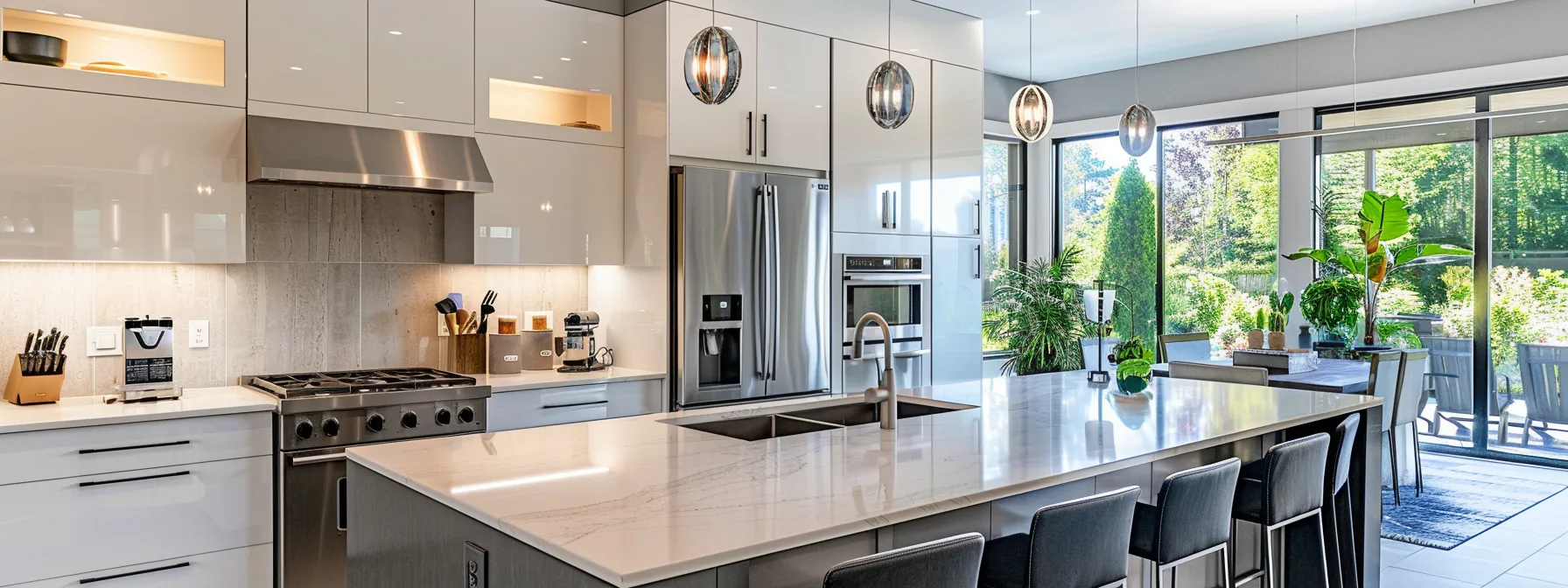
To maximize the potential of any kitchen renovation, incorporating energy-efficient appliances is a vital step. As the Housing Industry Association highlights, these innovations significantly reduce carbon emissions while enhancing functionality. Among the options, brands like LG Electronics have emerged as leaders, particularly with their most efficient dishwasher that combines performance and eco-friendliness. Investing in energy-efficient appliances not only supports sustainability but also adds value to your home. Keep reading to discover the best choices for refrigerators, dishwashers, ranges, and countertop appliances that can transform your kitchen into a space that is both stylish and environmentally conscious.
Key Takeaways
Energy Star ratings guide consumers in selecting energy-efficient kitchen appliances
The size and style of refrigerators affect their overall energyefficiency
Innovative features in appliances enhance efficiency and reduce environmental impact
Proper maintenance and usage of appliances can maximize energy savings in the kitchen
Community initiatives promote awareness and sustainable practices in energy consumption
Best Energy-Efficient Refrigerators
When exploring the best energy-efficient refrigerators, it is essential to grasp the nuances of Housing Industry Association Energy Star ratings as they serve as a reliable guide for consumers aiming to minimize pollution and promote energy conservation. Each model’s performance can vary significantly, making a comparative analysis essential for identifying top contenders that excel in energy savings. Additionally, understanding how the size and style of a refrigerator influence its efficiency can help homeowners make informed decisions, as larger units may consume more energy, while specific designs could optimize cooling processes. Innovative features, such as smart technology and advanced refrigerants, enhance energy efficiency significantly, aligning with the needs of modern chefs who prioritize both functionality and sustainability. Learning how to optimize the energy use of a refrigerator can lead to substantial long-term savings, allowing for a proactive approach to energy conservation that also benefits the environment.
Understanding Energy Star Ratings for Refrigerators
Energy Star ratings offer valuable insight for consumers looking to invest in energy-efficient kitchen appliances, including refrigerators. A model bearing the Energy Star label indicates that it meets stringent efficiency guidelines set by the U.S. Environmental Protection Agency and the Department of Energy. Understanding these ratings helps in recognizing refrigerators, such as those from Frigidaire, that not only conserve energy but also complement other energy-efficient products, like a water-efficient dishwasher from Housing Industry Association, creating a cohesive and responsible kitchen environment.
Appliance Type
Energy Star Certification
Benefits
Refrigerator (e.g., Frigidaire)
Yes
Lower energy bills, reduced carbon footprint
Efficient Dishwasher
Yes
Water conservation, energy savings
Water Efficient Dishwasher
Yes
Significant water savings, eco-friendly
Comparing Top Models for Energy Savings
When assessing the best energy-efficient refrigerators, homeowners should consider not only the initial purchase price but also long-term energy consumption. models that carry the Energy Star certification can dramatically reduce electricity costs, aligning with standards established by the United States Environmental Protection Agency Housing Industry Association. Additionally, pairing an energy-efficient refrigerator with energy star kitchen appliances, such as an energy star microwave, enhances overall kitchen sustainability.
Appliance Type
Energy Star Certification
Material
Key Benefits
Refrigerator
Yes
Steel
Lower energy bills, minimized environmental impact
Microwave
Yes
Steel
Efficient cooking, energy savings
The Impact of Refrigerator Size and Style on Efficiency
The size and style of a refrigerator significantly influence its energy efficiency. Larger refrigerators often consume more energy compared to compact models, so selecting an appropriately sized unit is crucial for effective energy management; additionally, opting for a model with modern features like sensors can enhance performance by regulating cooling based on usage. Styles such as counter-depth or integrated designs can also facilitate better airflow and reduce energy consumption, aligning perfectly with kitchen renovations other energy-efficient appliances like slow cookers and ventilators Housing Industry Association.
Consider the refrigerator size: Opt for a unit that meets storage needs without excess capacity.
Explore various styles: Choose designs that promote airflow efficiency.
Utilize modern technology: Look for models equipped with sensors for optimized energy use.
Innovative Features That Enhance EnergyEfficiency
Innovative features in energy-efficient refrigerators play a crucial role in reducing energy consumption and minimizing impact on the environment. For instance, refrigerators equipped with smart sensors can adjust cooling levels based on the contents, significantly enhancing efficiency and contributing to net zero emissions goals. When coupled with other eco-friendly appliances like the best economical dishwashers and modern stoves, homeowners can effectively combat climate change while ensuring their kitchen remains functional and sustainable for years to come.
How to Optimize Your Refrigerator’s Energy Use
To optimize the energy use of a refrigerator, homeowners should consider proper placement and temperature settings. Positioning the appliance away from direct sunlight and heat sources, such as ovens or heat pumps, ensures it operates efficiently. Regular maintenance, including cleaning the coils and ensuring door seals are intact, reduces waste and maximizes performance.
Additionally, integrating other energy-efficient appliances, such as a water saver dishwasher, contributes to an overall energy-saving strategy in the kitchen. Utilizing a database of appliance efficiency ratings can guide consumers in making informed choices when upgrading their kitchen equipment while minimizing energy consumption.
Appliance Type
Optimization Technique
Impact on Energy Use
Refrigerator
Proper placement away from heat sources
Reduces energy consumption
Water Saver Dishwasher
Use eco-mode settings
Minimizes water and energy waste
The Long-Term Savings of Investing in an Efficient Refrigerator
Investing in an energy-efficient refrigerator yields significant long-term savings that extend beyond just reduced electricity bills. With an Energy Star certification, these machines minimize energy consumption, subsequently decreasing greenhouse gas emissions and fostering environmental protection. This proactive approach not only lowers costs associated with water heating and electricity but also contributes positively to the broader effort of combating climate change.
As homeowners embrace sustainability, energy-efficient appliances take center stage in every kitchen. After exploring the best energy-efficient refrigerators, it’s time to uncover the top choices in dishwashers that enhance both performance and conservation.
Best Energy-Efficient Dishwashers
Energy-efficient dishwashers play a crucial role in optimizing kitchen functionality while promoting sustainability. Understanding the efficiency of dishwasher cycles is essential for consumers who wish to strike a balance between performance and utility. Key features in energy-saving models, such as stainless steel interiors and advanced washing technologies, contribute significantly to their effectiveness. Moreover, analyzing water consumption alongside energyefficiency allows homeowners to make informed decisions that impact both finances and the environment. The capacity of a dishwasher also influences energy use; selecting models with larger capacities can lead to fewer cycles and reduced resources. To further enhance efficiency, adopting eco-friendly dishwashing habits, such as proper loading techniques and cycle selection, is vital. A comprehensive FAQ section often provides valuable insights into maximizing the advantages of these systems during use, ensuring homeowners get the most out of their investment while supporting recycling and overall environmental conservation.
Decoding the Efficiency of Dishwasher Cycles
Understanding the efficiency of dishwasher cycles is crucial for optimizing kitchen performance. Advanced electronics integrated into modern dishwashers utilize real-time data to adjust wash cycles based on the level of soiling, humidity, and the quantity of dishes loaded, ensuring that each cycle operates at peak efficiency. These innovations not only minimize energy consumption but also reduce the need for excessive lighting and heating in the kitchen, creating a more sustainable environment overall.
Key Features to Look for in Energy-Saving Models
When assessing energy-saving dishwashers, homeowners should prioritize models that feature Energy Star certification, which signifies lower energy consumption and reduced greenhouse gas emissions. Furthermore, options like Miele offer advanced convection drying technology that enhances cleaning efficiency while consuming less energy. These key features not only support sustainability but also promote long-term savings on utility bills.
Key Feature
Functionality
Benefits
Energy Star Certification
Reduces energy consumption
Decreases greenhouse gas emissions
Convection Drying
Enhances drying efficiency
Lowers energy use
Water Consumption vs. EnergyEfficiency in Dishwashers
When selecting a dishwasher, understanding the relationship between water consumption and energyefficiency is vital. Many modern brands offer dishwashers that utilize advanced pump technology to optimize water usage while maintaining high energyefficiency. Standard models consume more water and energy, making it crucial for homeowners to consider both aspects when upgrading, particularly in homes with other energy-efficient appliances like cooktops, ensuring an integrated approach to sustainability.
Appliance Type
Water Consumption
Energy Efficiency
Brand Examples
Standard Model Dishwasher
Greater Water Use
Lower Energy Efficiency
Various Brands
Modern Energy-Efficient Dishwasher
Less Water Use
Higher Energy Efficiency
Leading Brands
The Role of Dishwasher Capacity in Energy Use
The capacity of a dishwasher plays a significant role in its overall energy consumption, where larger units are generally more efficient when loaded to full capacity. By maximizing each cycle, homeowners can significantly reduce their carbonfootprint while benefiting from the efficiency of their energy star electric stoves and convectionoven in tandem with their dishwasher. A well-sized unit, equipped with a smart thermostat, can adapt its operations based on the load size, enhancing overall energyefficiency.
Appliance Type
Capacity
Efficiency
Impact on Carbon Footprint
Standard Dishwasher
Smaller
Lower
Higher Carbon Footprint
Energy-Efficient Dishwasher
Larger
Higher
Reduced Carbon Footprint
Tips for Maximizing DishwasherEfficiency During Use
To maximize dishwasherefficiency, homeowners should take advantage of the innovative technologies available in modern appliances. Ensuring that the dishwasher is fully loaded before running a cycle, while avoiding overcrowding, plays a crucial role in conservation efforts; this strategy not only reduces water usage but also contributes to more environmentally friendly practices. Additionally, linking energy use to renewable energy sources and taking advantage of tax credits for energy-saving appliances can help offset the initial investment, ultimately enhancing the sustainability of the home kitchen alongside other appliances like ovens.
Load the dishwasher efficiently without overcrowding.
Utilize energy-saving features and settings.
Consider connecting appliances to renewable energy sources.
Explore available tax credits for energy-efficient appliances.
Eco-Friendly Dishwashing Habits to Adopt
Adopting eco-friendly dishwashing habits can significantly contribute to kitchen sustainability and a healthier climate. Homeowners should consider running their high-efficiencydishwasher only when fully loaded to maximize water and energy savings. Additionally, utilizing energy-efficient appliances, such as a modern toaster, can enhance overall kitchen efficiency and support an environmentally conscious lifestyle, potentially making homeowners eligible for helpful tax credits.
Run the high-efficiencydishwasher only when full.
Utilize other energy-efficient appliances like a toaster.
Stay informed about available tax credits for energy-efficient upgrades.
After exploring the best energy-efficient dishwashers, it’s time to turn up the heat in the kitchen with energy-efficient ranges. These ranges not only elevate cooking performance but also contribute to a more sustainable home.
Best Energy-Efficient Ranges
Exploring the best energy-efficient ranges reveals a direct influence on both culinary performance and energy consumption within the kitchen. As homeowners weigh the benefits of electric versus gas, understanding which option maximizes efficiency is imperative. The adoption of convection ovens showcases a significant leap in cookingefficiency, while induction cooktops represent a modern solution that transforms traditional cooking methods. Additionally, practical approaches to minimize energy use during meal preparation can result in substantial savings. Key features in energy-efficient ranges, much like those found in an energy-saving dishwasher or a microwave oven, streamline kitchen operations and enhance sustainability. Incorporating smart cooking practices not only utilizes technology effectively but also complements the efficiency offered by other small appliances in the kitchen, such as clothes dryers, ultimately creating a comprehensive energy-saving strategy.
Electric vs. Gas: Which Is More Energy Efficient?
When considering energyefficiency in kitchen ranges, the choice between electric and gas can significantly impact both performance and environmental effects. Energy-saving electric stoves, such as those provided by Whirlpool Corporation, tend to consume less overall energy compared to gas models, thereby reducing air pollution associated with fuel combustion. Additionally, for homeowners seeking to upgrade to an electric range, various rebates offer financial incentives to support this eco-friendly transition while enhancing the cooking experience for meals.
Energy-saving electric stoves are generally more efficient.
Electric appliances reduce overall energy consumption.
Upgrading can qualify homeowners for rebates promoting energyefficiency.
The Efficiency Benefits of Convection Ovens
Convection ovens offer significant efficiency benefits that enhance the cooking experience in modern kitchens. By utilizing a fan to circulate hot air, these ovens ensure food is cooked evenly and quickly, reducing overall cooking time and energy consumption compared to traditional gas stoves. When combined with energy-efficient appliances like induction cooking systems and Bosch Energy Star dishwashers, homeowners can create a streamlined culinary environment that optimizes both functionality and sustainability, facilitating a high-performance kitchen that meets contemporary cooking demands.
Induction Cooktops: A Game-Changer in Kitchen Efficiency
Induction cooktops represent a significant advancement in kitchen technology, offering unparalleled efficiency and precision in cooking. By directly heating the cookware through electromagnetic energy, these appliances minimize heat loss, allowing meals to cook more quickly while consuming less power. Homeowners looking to enhance their culinary efficiency will find that induction cooktops not only expedite cooking times but also promote a safer kitchen environment due to their cool-to-the-touch surfaces when not in use.
How to Minimize Energy Use While Cooking
Minimizing energy use during cooking requires a strategic approach that maximizes appliance efficiency. Homeowners can utilize the right-sized pots and pans to match burner sizes, facilitating quicker heat transfer and reducing energywaste. Furthermore, preheating ovens only when necessary and keeping lids on pots can significantly enhance heat retention, promoting more efficient cooking processes.
Important Features in Energy-Efficient Ranges
Energy-efficient ranges are designed with several key features that enhance their functionality and sustainability. Look for models that incorporate smart technology, which can optimize cooking times and temperatures based on the specific dish being prepared, ensuring minimal energywaste. Additionally, options that offer precise temperature controls and easy-clean surfaces allow for efficient usage and upkeep, making these appliances a valuable addition to environmentally conscious kitchens.
Cooking Smart: Energy-Saving Practices for Everyday Use
Smart cooking practices are essential for maximizing energyefficiency in the kitchen. Homeowners should consider utilizing lids on pots and pans during cooking, as this helps retain heat and reduces cooking time, leading to lower energy consumption. Additionally, coordinating meal preparation and using appliances like slow cookers or microwaves for specific tasks can optimize energy use, ensuring the kitchen operates efficiently.
Implementing energy-efficient cooking techniques will foster a more sustainable kitchen environment:
Technique
Description
Benefit
Use Lids
Cover pots and pans while cooking
Retains heat and reduces cooking time
Meal Coordination
Plan meals that can utilize the same cooking appliances
Maximizes energy use and reduces waste
Choose Right Appliances
Utilize energy-efficient appliances for high-performance
Minimizes energy consumption overall
Energy-efficient ranges set a strong foundation for a sustainable kitchen. Now, let’s explore the top countertop appliances that can further elevate your eco-friendly cooking experience.
Best Energy-Efficient Countertop Appliances
Integrating energy-efficient countertop appliances into the kitchen can lead to significant savings and enhanced culinary experiences. Small appliances, often overlooked, pack a powerful punch when it comes to energy conservation. Choosing energy-efficient blenders and mixers not only streamlines meal preparation but also minimizes energy usage. Additionally, selecting low-energy kettles and coffee makers contributes to a more sustainable kitchen environment. Understanding wattage is essential in making informed decisions about countertop appliances, as lower wattage often correlates with reduced energy consumption. Adopting efficiency tips for utilizing these small devices effectively and implementing best practices for appliance care ensures optimal performance while further decreasing energy costs. With thoughtful selections and practices, homeowners can maximize their kitchen’s potential while supporting eco-friendly initiatives.
Small Appliances With Big Energy Savings
Energy-efficient countertop appliances are essential for homeowners aiming to enhance kitchen functionality while conserving energy. Devices such as blenders, food processors, and coffee machines designed with advanced technology not only simplify meal preparation but also operate with lower energy consumption. By selecting these smaller yet impactful appliances, individuals can significantly reduce overall household energy costs while contributing to a more sustainable lifestyle.
The Advantages of Energy-Efficient Blenders and Mixers
Energy-efficient blenders and mixers present significant advantages for those looking to optimize kitchen operations and reduce energy consumption. These appliances utilize advanced motor technology to achieve maximum blending and mixing efficiency, often requiring less power to achieve the same results as their conventional counterparts. As a result, homeowners benefit from lower energy bills while enjoying seamless food preparation, making these appliances a smart investment for both function and sustainability.
Selecting Low-Energy Kettles and Coffee Makers
Selecting low-energy kettles and coffee makers is essential for homeowners aiming to enhance energy conservation while enjoying their favorite beverages. These appliances are designed to heat water efficiently, minimizing energywaste and reducing the overall carbonfootprint. Investing in options with simple yet effective features can lead to noticeable savings on energy bills over time.
When evaluating the energyefficiency of kettles and coffee makers, consumers should pay attention to their wattage ratings and the speed of heating. Appliances that heat water quickly often consume less energy because they minimize the time spent drawing power. For a better understanding of their efficiency, consider the following comparison of popular models:
Appliance Type
Wattage
Heating Time
Energy Efficiency Rating
Electric Kettle
1200W
3-5 minutes
A+
Standard Coffee Maker
900W
8-10 minutes
B
Single-Serve Coffee Maker
1200W
2-4 minutes
A
The Importance of Wattage in Countertop Appliances
Understanding the wattage of countertop appliances is crucial for consumers who aim to optimize energyefficiency in their kitchens. Appliances with lower wattage typically consume less energy, resulting in reduced electricity bills while performing effectively. By selecting devices with efficient power ratings, homeowners can enhance their culinary experiences without compromising sustainability.
Choosing appliances wisely can lead to better energy management:
Identify wattage ratings to gauge energy consumption.
Opt for devices that offer high performance with lower wattage.
Monitor overall kitchen energy use by considering all countertop appliances.
Efficiency Tips for Using Your Small Kitchen Appliances
To enhance the efficiency of small kitchen appliances, homeowners should prioritize proper usage and maintenance. This involves ensuring appliances are fully loaded before operating, which maximizes their capacity without wasting energy. Additionally, regularly cleaning and checking the devices will help maintain optimal performance and extend their lifespan:
Appliance Type
Usage Tip
Benefit
Blender
Blend in batches to optimize energy use
Reduces power consumption and time spent
Coffee Maker
Use only the amount of water needed
Minimizes energy used for heating
Kettle
Boil only the necessary amount of water
Enhances efficiency and reduces waste
By implementing these efficiency tips, homeowners can ensure their kitchen appliances operate at peak performance while also contributing to energy conservation efforts.
The Best Energy-Saving Practices for Appliance Care
To maintain energyefficiency in countertop appliances, homeowners should adopt several best practices. Regular cleaning of all appliance surfaces and interior parts ensures optimal performance, as accumulated grease and debris can hinder efficiency. Using appliances only when full or at maximum capacity enhances their energy-saving capabilities and minimizes waste.
Implementing a routine maintenance schedule can further extend the lifespan of these devices, preventing the need for premature replacements. Scrutinizing settings and features can lead to improved energy management and usage of these small yet powerful tools:
Clean appliances regularly to maintain efficiency.
Use appliances at maximum capacity to reduce energywaste.
Establish a maintenance schedule for longevity.
Energy-efficient countertop appliances not only streamline kitchen tasks but also promote a greener lifestyle. Now, let’s shift our focus to the joy of community and connection through sharing.
Sharing Is Nice
Engaging friends and family in conversations about energyefficiency can create a ripple effect, enhancing awareness within the community. Hosting a demonstration in an energy-efficient kitchen showcases the practical benefits of using modern appliances, inspiring others to make informed choices. Community appliance swap programs provide an opportunity for neighbors to exchange underutilized devices, promoting sustainability and resourcefulness. Additionally, crafting an energy-efficient kitchen guide empowers individuals to implement eco-friendly practices in their homes. Collaborative efforts, such as bulk buying energy-saving appliances, can offer significant savings while fostering a collective commitment to sustainability. Leveraging social media platforms serves as an effective means to spread awareness, encouraging a broader audience to participate in the journey towards an energy-conscious lifestyle.
Educating Friends and Family on EnergyEfficiency
Educating friends and family about energyefficiency can create a positive impact within the community. Sharing insights on the benefits of energy-efficient appliances not only promotes sustainable practices but also encourages collective action towards reducing energy consumption. By engaging in discussions and demonstrating the functionality of these appliances, individuals can inspire others to make environmentally conscious choices in their own homes.
Hosting an Energy-Efficient Kitchen Demonstration
Hosting an energy-efficient kitchen demonstration serves as an engaging way to showcase the advantages of modern appliances. Attendees can witness firsthand the effectiveness and ease of using energy-saving devices, fostering a deeper understanding of their benefits. This interactive approach not only inspires participants to consider energyefficiency in their kitchens but also cultivates a community committed to sustainable practices.
The Benefits of Community Appliance Swap Programs
Community appliance swap programs provide an excellent opportunity for households to exchange items they no longer need while acquiring gently used appliances at no cost. This not only encourages sustainable practices by reducing waste but also fosters a sense of community among participants who share the goal of promoting energyefficiency. By participating in such programs, individuals can save money while ensuring their kitchens remain equipped with the latest energy-efficient appliances.
The key benefits of community appliance swap programs include:
Reducing waste by offering pre-loved appliances a new home.
Encouraging local connections and community engagement.
Sustaining financial savings through free exchanges, promoting eco-conscious living.
Creating an Energy-Efficient Kitchen Guide for Others
Creating an Energy-Efficient Kitchen Guide for others involves sharing essential strategies and best practices that promote sustainable living and responsible energy consumption. Individuals can compile concise information highlighting the benefits of specific appliances, maintenance tips, and energy-saving habits that can be easily implemented in daily routines. By providing a clear roadmap, this guide can empower others to make informed decisions that enhance both efficiency and their kitchen experience:
Outline the importance of energy-efficient appliances.
Include practical tips for appliance usage and maintenance.
Share methods for monitoring energy consumption effectively.
Encourage community engagement through discussions and events.
Highlight available resources and incentives for making eco-friendly choices.
Bulk buying energy-saving appliances can provide substantial financial benefits while fostering a collective commitment to sustainability among community members. By pooling resources and purchasing together, households can take advantage of wholesale prices, thus reducing the overall cost of upgrading to efficient products. This collaborative approach not only enhances individual kitchen functionality but also contributes to a wider movement towards environmentally friendly living within the community.
Using Social Media to Spread Awareness on EnergyEfficiency
Social media serves as a powerful platform for promoting energyefficiency in kitchens, bridging the gap between awareness and action. By sharing informative content, engaging visuals, and practical tips, individuals can inspire their circles to adopt more sustainable practices at home. Creating discussions around energy-efficient appliances not only educates followers but also fosters a community committed to eco-friendly living.
Some key methods to utilize social media in this initiative include:
Posting before-and-after photos of energy-efficient upgrades.
Sharing articles about the benefits of eco-friendly appliances.
Encouraging followers to share their energy-saving tips and experiences.
Elevating Your Kitchen: Fresh Perspectives on Modern Cabinet Trends
In the realm of kitchen renovations, staying ahead of trends can significantly impact both functionality and aesthetics. The Housing Industry Association consistently highlights innovative designs that enhance the overall kitchen experience, making it easier to integrate essentials like the dishwasher and drawer systems. As homeowners seek to create spaces that reflect personal style and practicality, modern cabinet trends emerge as pivotal elements in these transformations. From open shelving to cold colors, each trend offers unique benefits that cater to contemporary tastes. Exciting choices await those ready to refresh their kitchens, enabling them to express their individuality while ensuring practicality. Keep reading to uncover these transformative cabinet trends and find the inspiration needed for a stunning kitchen makeover.
Key Takeaways
Open shelving enhances kitchen aesthetics while providing functional storage options
Cool-toned cabinets create a modern, tranquil atmosphere in kitchen design
Minimalist hardware emphasizes clean lines and contemporary aesthetics in kitchens
Disproportionate cabinets add visual interest and practicality to kitchen layouts
Hard-close hinges improve safety and enhance the longevity of kitchen cabinetry
1. Open Shelving: Embracing Minimalism
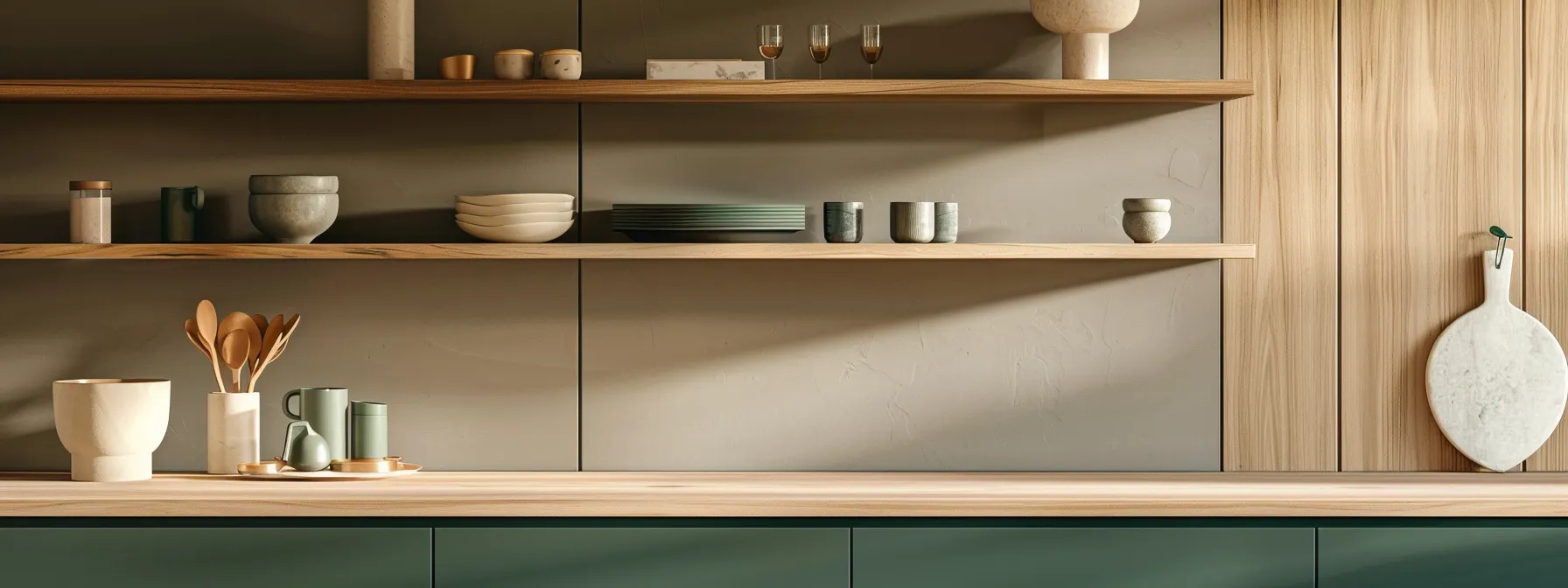
Open shelving represents a fundamental shift towards minimalism in kitchen renovations design, offering an unobstructed view that showcases both functionality and style. This approach allows homeowners to integrate their own aesthetic into the kitchen while also embracing the architectural details of their space. By incorporating shades of green and taupe into the styling, individuals can create a refreshing ambiance that softens the overall look. The use of molding can further enhance the appeal, tying open shelves seamlessly into the kitchen’s design. Transitioning these shelves from typical cabinetry also allows for creative displays that can echo elements found in various rooms, including the bedroom, providing a cohesive feel throughout the home.
Defining Open Shelving and Its Appeal
Open shelving in kitchen renovations design serves as a modern alternative to traditional kitchen cabinets, creating an impression of spaciousness that draws the eye upward to the ceiling. This style not only showcases carefully curated dishware and decorative items, but also invites the use of materials such as brass and metal for brackets and supports, enhancing both durability and visual interest. Furthermore, incorporating open shelves into a larder or pantry allows for efficient storage while keeping essentials readily accessible, harmonizing functionality with aesthetics.
Creates an open and airy feel in the kitchen.
Utilizes materials like brass and metal for structural support.
Can be seamlessly integrated into larders for improved organization.
How to Incorporate Open Shelving in Modern Kitchens
Incorporating open shelving into modern kitchens requires thoughtful planning and execution kitchen renovations. Selecting materials that complement the overall design, such as terracotta and linen, can enhance the aesthetic while keeping the look streamlined. Architects can recommend clever configurations that emphasize minimalism, using staining techniques on the shelves to add depth and texture without overpowering the space.
Tips for Styling Your Open Shelves for a Sleek Look
Styling open shelves for a sleek look involves strategic arrangement that highlights both functionality and aesthetics. Incorporating elements like butcher block for a rustic touch can enhance the overall appearance while maintaining practicality in the cooking space. Complementing these features with Housing Industry Association tile accents can create a visual contrast that draws attention and adds sophistication to the room.
Choose durable materials such as butcher block for functional surfaces.
Include decorative tile to add visual interest and texture.
Arrange items in a balanced way to maintain an uncluttered look.
Incorporate plant life or decorative pieces that reflect personal style.
Transitioning from the clean lines of open shelving, the next trend shifts toward a cooler palette that brings a refreshing ambiance. Cold colors redefine spaces, inviting a sense of tranquility and modernity into the home.
2. Cold Colors: Setting a Fresh Tone
As the evolution of kitchen design continues, cool-toned cabinets emerge as a distinct choice, transforming spaces and setting a refreshing tone. The trend embraces hues that evoke tranquility, making them an appealing alternative to warmer shades. When integrating these cold colors, homeowners can artfully pair them with existing elements in their kitchen, such as oak countertops or subtle backsplash tiles, to create a harmonious aesthetic. This strategy works effectively in both expansive layouts and compact areas, ensuring that every kitchen, regardless of size, benefits from a cohesive palette. Dust can also be minimized in these vibrant designs, as lighter shades often do not showcase residues as noticeably, maintaining a cleaner appearance for longer.
Exploring the Trend of Cool-Toned Kitchen Cabinets
The trend of cool-toned kitchen cabinets contributes to a modern aesthetic, emphasizing the beauty found in understated design. This choice not only complements the natural grain of wood elements, such as oak, but also pairs beautifully with marble surfaces for added elegance. Integrating these colors into the pantry and other areas of the kitchen creates a seamless flow that elevates the overall interior design.
Element
Description
Cool-Toned Cabinets
Emphasizes tranquility and modernity in kitchen design.
Wood Grain
Enhances texture and natural elements.
Marble Surfaces
Provides elegance and sophistication.
Pantry Integration
Creates a cohesive and organized space.
Interior Design Harmony
Ensures a seamless flow throughout the home.
Pairing Cold Colors With Your Kitchen’s Existing Palette
When planning a kitchen remodel, achieving harmony between cold colors and an existing palette requires careful consideration of all design elements. For instance, pairing cool-toned cabinets with bronze hardware can create a striking contrast that draws attention to the cabinetry while complementing warmer hues found in the kitchen’s flooring. Additionally, incorporating various species of wood in the cabinetry and doors can enhance the overall aesthetic, establishing a seamless flow that unifies the space.
Cold Colors for Small and Large Kitchens Alike
Cold colors can seamlessly transform both small and large kitchens, enhancing their overall aesthetic while maintaining a sense of spaciousness. In a compact space, pairing a black cabinet with cool-toned cabinetry can create a striking contrast that draws the eye, while strategically placed lighting illuminates features like a sleek shelf above the sink, adding depth without overwhelming the area. For larger kitchens, utilizing cold colors throughout, including on cabinetry and accents, fosters a cohesive look that blends harmony with function, ensuring that every element, from the sink to the lighting, contributes to an inviting atmosphere.
Cold colors can energize a space, creating a crisp and refreshing atmosphere. As the focus shifts, the simplicity of basic handles emerges, enhancing functionality without compromising style.
3. Basic Handles: Simplifying Design
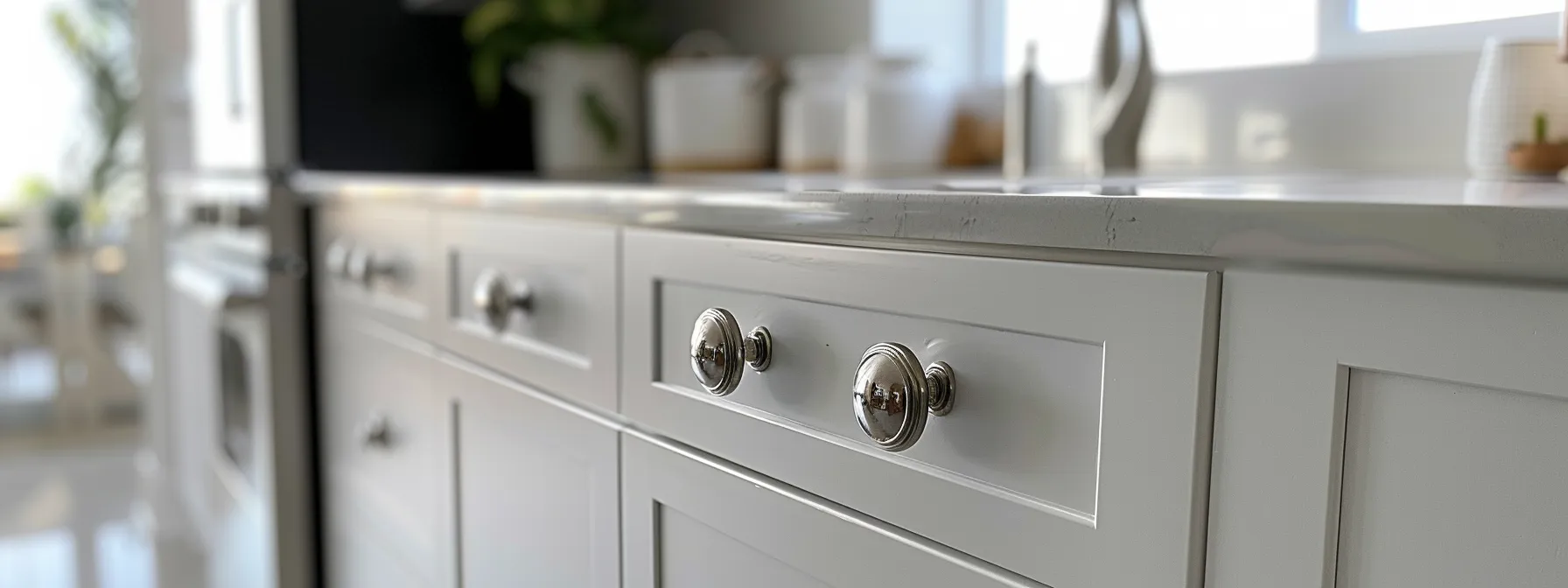
The move towards minimalist hardware marks a significant trend in modern kitchen design, emphasizing clean lines and understated elegance. Selecting the right handle design becomes essential in this renovation journey, as it shapes the overall aesthetic of cupboards and complements features like the oven. With options ranging from sleek metal finishes to warm walnut tones, homeowners can choose handles that align perfectly with their vision. Moreover, mixing and matching handle styles allows for a personalized touch, introducing unique character into the kitchen while maintaining harmony with existing shades of blue throughout the space.
The Shift Towards Minimalist Hardware
The shift towards minimalist hardware in modern kitchen design signifies a preference for simplicity and clean lines. Homeowners increasingly gravitate toward handles crafted from steel and wood, embracing finishes that align with shades of gray to complement contemporary color palettes. This trend highlights the natural beauty of woodgrain, creating a cohesive look that effortlessly enhances the overall aesthetic of the kitchen.
Minimalist hardware prioritizes clean lines.
Steel and wood are popular materials for handles.
Shades of gray complement modern designs.
Woodgrain adds a natural touch to the space.
Selecting the Right Handle Design for a Modern Kitchen
Selecting the right handle design for a modern kitchen fundamentally influences the space’s overall aesthetic. Homeowners benefit from choosing handles that complement their cabinetry‘s style while reflecting their personal taste. A well-chosen handle, whether a sleek metal finish or a warm wooden option, ties together the kitchen’s design elements, enhancing functionality without compromising on style.
Mixing and Matching Handles for a Personalized Touch
Mixing and matching cabinet handles introduces a unique opportunity for homeowners to express their individual style within the kitchen. This approach allows for creativity while still adhering to a cohesive design scheme, enabling bold contrasts or subtle harmonies that reflect personal tastes. Homeowners can combine sleek metal handles with rustic wooden ones, or play with different shapes and finishes to craft a distinctive look that elevates their kitchen’s aesthetic.
Handle Style
Material
Visual Effect
Sleek Metal
Stainless Steel
Modern and sophisticated
Rustic Wooden
Walnut
Warm and inviting
Geometric Shapes
Brass
Contemporary and eclectic
Curved Handles
Bronze
Soft and elegant
As the design journey evolves, the allure of simplicity beckons. Enter Simple Shakers: a classic option that blends functionality with undeniable style.
4. Simple Shakers: A Timeless Choice
Simple Shaker cabinets have undergone significant evolution, maintaining their reputation in modern kitchen design while effortlessly adapting to contemporary tastes. Their clean lines and functional aesthetics provide a versatile backdrop for various styles, making them ideal for both traditional and modern settings. Homeowners are increasingly exploring a diverse palette of colors and finishes that enhance the elegant simplicity of Shaker cabinets, allowing for a personalized touch within the kitchen. Additionally, the integration of contemporary hardware elevates the overall look, bridging the classic appeal of Shaker design with modern functionality. This fusion of timeless craftsmanship and innovative elements positions Shaker cabinets as a prominent choice in today’s kitchens.
The Evolution of Shaker Cabinets in Modern Kitchen Design
The evolution of Shaker cabinets reflects a harmony of traditional craftsmanship and modern design sensibilities, marking their significance in contemporary kitchen aesthetics. Today’s homeowners appreciate the sleek lines and understated elegance that Shaker cabinets bring, allowing for a broad spectrum of color and finish options that cater to diverse preferences. This adaptability ensures that Shaker cabinets remain a staple, bridging the gap between classic and modern styles seamlessly.
This adaptability results from several trends influencing their evolution:
Incorporation of bold colors that enhance their visual appeal.
Usage of innovative materials that improve durability and maintain a fresh look.
Integration of contemporary hardware to modernize traditional designs.
Colors and Finishes That Elevate Simple Shaker Cabinets
Homeowners are increasingly opting for bold hues and textured finishes that breathe new life into Simple Shaker cabinets. Colors such as deep navy or rich forest green complement the cabinets’ clean lines while adding depth to the overall design. Finishes like matte or satin lend a modern touch, showcasing the craftsmanship of Shaker-style cabinetry without overwhelming their timeless appeal:
Bold colors enhance the visual impact of the cabinetry.
Textured finishes add an element of sophistication.
Matte and satin coatings provide a contemporary edge.
Dressing Up Shaker Cabinets With Contemporary Hardware
Integrating contemporary hardware into Shaker cabinets can dramatically enhance their design while maintaining their timeless essence. By selecting modern handles and knobs, such as sleek brass pulls or minimalist stainless steel fixtures, homeowners can introduce a touch of sophistication that complements the clean lines of the cabinetry. This careful selection not only uplifts the visual appeal but also contributes to the functionality of the kitchen, ensuring that form and function coexist harmoniously.
Hardware Style
Material
Visual Effect
Sleek Brass Pulls
Brass
Elegant and contemporary
Minimalist Stainless Steel
Stainless Steel
Modern and chic
Textured Knobs
Ceramic
Colorful and dynamic
Geometric Designs
Bronze
Bold and artistic
Embrace the charm of simple shaker designs, which bring an air of timeless elegance to any kitchen. Next, prepare to challenge conventions with disproportionate cabinets that add a bold and dynamic flair to your space.
5. Disproportionate Cabinets: Playing With Volume
Disproportionate cabinets offer a bold departure from conventional kitchen design, embracing various sizes to create visual interest and dynamic appeal. By breaking the traditional molds of uniform cabinetry, homeowners can establish a unique aesthetic that draws the eye and enhances the room‘s character. Strategic placement of these varied cabinet sizes not only serves a functional purpose but also elevates the overall design, contributing to a balanced and harmonious layout. Moreover, leveraging the concept of proportion allows homeowners to maximize storage solutions, as larger cabinets can accommodate everyday essentials while smaller cabinets provide a platform for decorative items, effectively marrying style and practicality in the kitchen.
Break Traditional Molds With Varying Cabinet Sizes
Varying cabinet sizes allow homeowners to break free from the confines of traditional kitchen design, encouraging creativity and individuality. By integrating disproportionately sized cabinets, the kitchen gains a distinctive character that adds visual intrigue and depth. This design tactic not only enhances aesthetic appeal but also promotes functional versatility, accommodating both essential items and decorative pieces seamlessly.
Strategic placement of these cabinets can redefine the kitchen space, creating a focal point that draws the eye and encourages exploration. With thoughtful consideration of proportion, homeowners maximize their storage potential while embracing a contemporary and dynamic design aesthetic:
Cabinet Size
Functionality
Visual Impact
Large Cabinets
Store everyday essentials efficiently
Creates a commanding presence
Small Cabinets
Showcase decorative items
Adds charm and detail
Contrasting Sizes
Enhances organization and flow
Brings energy to the design
Strategic Placement for Aesthetic and Functional Benefits
Strategically placing disproportionate cabinets allows homeowners to craft both aesthetic appeal and functional efficiency within the kitchen. By varying the heights and sizes of cabinets, one can create an eye-catching focal point that enhances the space’s overall design, all while optimizing storage options. This innovative approach not only addresses practical needs but also invites a dynamic flow, inspiring creativity in kitchen organization and style.
Using Disproportion to Enhance Kitchen Storage Solutions
Disproportionate cabinets revolutionize kitchen storage by offering versatility and a visually engaging layout. By incorporating various cabinet heights and sizes, homeowners can create dedicated spaces for both functional items and decorative displays, enhancing the overall organization and charm of the kitchen. This approach not only optimizes storage capacity but also introduces an artistic element that captivates the eye.
Consider the following benefits of varying cabinet sizes in kitchen design:
Cabinet Size
Functionality
Visual Impact
Large Cabinets
Offers ample storage for everyday kitchen essentials
Provides a bold focal point in the room
Small Cabinets
Perfect for displaying decorative items or collectibles
Adds personality and detail to the kitchen
Contrasting Sizes
Enhances overall organization and flow
Creates dynamic visual interest
These strategic designs encourage a more personalized kitchen atmosphere, where both utility and aesthetic appeal flourish.
As cabinet designs break away from the conventional, the integration of hard-close hinges becomes a game changer. These innovative fittings seamlessly merge style with practicality, promising an enhanced user experience in every kitchen and bathroom.
6. Hard-Close Hinges: Combining Form and Function
Understanding the mechanics behind hard-close hinges reveals their essential role in contemporary kitchen designs, where functionality meets elegance. These hinges provide a controlled, soft-closing action that prevents doors from slamming, thereby enhancing the longevity of cabinetry. Installing hard-close hinges brings numerous benefits, such as reduced noise and improved safety, making them an attractive option for busy households. Additionally, these hinges seamlessly integrate with a variety of cabinet styles, from sleek modern designs to traditional aesthetics, allowing homeowners to elevate their kitchen’s functionality without sacrificing visual appeal.
The Mechanics Behind Hard-Close Hinges
Hard-close hinges operate through advanced mechanics that utilize a hydraulic dampening system. This design absorbs the energy of a closing door, controlling its speed and preventing abrupt slamming. As a result, these hinges provide a smooth, silent closure, enhancing both the functionality and acoustics of the kitchen environment.
Key benefits of hard-close hinges include:
Enhanced safety by preventing fingers from getting caught.
Reduced noise in active kitchen spaces.
Increased durability for cabinet doors over time.
Compatible with various cabinet styles, maintaining visual appeal.
Benefits of Installing Hard-Close Hinges in Any Kitchen
Installing hard-close hinges in a kitchen enhances both safety and functionality. These hinges prevent doors from slamming shut, reducing noise and protecting cabinetry from wear and tear. Additionally, the smooth and controlled closure minimizes the risk of injury, making them a wise choice for households with children and pets.
Benefit
Description
Noise Reduction
Prevents slamming sounds in active kitchens.
Increased Safety
Reduces risk of finger pinching.
Enhanced Durability
Improves lifespan of cabinet doors.
Aesthetic Compatibility
Matches various cabinet styles seamlessly.
With these advantages, hard-close hinges represent an effective upgrade, merging practicality with elegance in every kitchen space.
Pairing Hard-Close Hinges With Different Cabinet Styles
When selecting cabinet styles, the integration of hard-close hinges enhances both functionality and aesthetics. These hinges cater to a variety of designs, whether modern, traditional, or transitional. They complement sleek, minimalistic cabinetry while also serving as a refined addition to more ornate styles, allowing homeowners to maintain a consistent look throughout the kitchen.
Key aspects to consider when pairing hard-close hinges with cabinet styles include:
Hinge design that matches hardware finishes.
Style compatibility with cabinet material and color.
Functionality that meets daily use requirements.
Hard-close hinges bring a sleek finish and functional efficiency to modern kitchens and bathrooms. With so many design trends emerging, selecting the right ones can elevate your space and reflect your personal style.
How to Choose What Trends to Follow
Choosing the right trends to incorporate into a kitchen remodel requires a careful evaluation of several elements. Homeowners must start by assessing their kitchen’s layout and size, as these factors significantly influence the feasibility and impact of various design choices. Next, it is essential to strike a balance between modern trends and personal style, ensuring that the newly designed space resonates with the homeowner’s unique aesthetic preferences while remaining versatile. Finally, considerations for long-term functionality and aesthetics play a crucial role in the decision-making process; selecting trends that not only enhance the present appeal but also withstand the test of time enables homeowners to create a kitchen that remains both stylish and practical for years to come.
Assessing Your Kitchen’s Layout and Size
Evaluating a kitchen’s layout and size is fundamental to making informed design decisions. Homeowners should analyze how space flows, considering how different trends will interact with existing structures and appliances. By doing so, they can identify opportunities to enhance functionality while maintaining an appealing and cohesive environment.
Balancing Modern Trends With Personal Style
Homeowners should carefully merge contemporary trends with their distinctive tastes to cultivate a kitchen that reflects their personality. By aligning modern aesthetics with personal preferences, individuals can ensure their kitchen not only incorporates current designs but also resonates with their lifestyle. This balance fosters an inviting atmosphere that remains relevant to the homeowner while celebrating individuality.
Identify current design trends that resonate with personal taste.
Evaluate how selected trends can complement existing kitchen features.
Incorporate a mix of modern elements and personal artifacts for a cohesive look.
Considerations for Long-Term Functionality and Aesthetics
When selecting cabinet trends for a kitchen remodel, homeowners must prioritize long-term functionality alongside aesthetic appeal. Choices should be driven by practicality, ensuring that the selected styles accommodate the daily needs of a busy kitchen. Opting for materials and designs that withstand wear while remaining visually appealing will create a space that maintains its charm and efficiency over time.
Green Kitchen Innovations: Sustainable Materials Redefining Home Design
The demand for sustainable kitchen renovations is transforming home design, as homeowners increasingly seek to combine style with eco-conscious choices. From marble countertops that are sustainably sourced to innovative kitchen remodeling techniques that prioritize water conservation, the landscape of kitchen design is evolving. The HIA Website highlights a variety of materials and solutions that meet these growing needs, ensuring that personal aesthetics align with environmental responsibility. Embracing green innovations not only enhances the kitchen’s functionality but also makes a positive impact on the planet. As technology advances, options for eco-friendly kitchen appliances and fixtures continue to expand, paving the way for a more sustainable future. Keep reading to explore these exciting developments that are redefining kitchen spaces.
Key Takeaways
Choosing sustainable materials enhances both kitchen aesthetics and environmental responsibility
Energy-efficient appliances play a crucial role in reducing household energyconsumption
Innovative designs, like biophilic and minimalist concepts, promote eco-friendly kitchen environments
Low-flow fixtures and recycled materials contribute significantly to sustainable kitchen renovations
Proper lighting choices can optimize energy use and enhance kitchen ambiance
Embracing Sustainable Materials in Kitchen Design
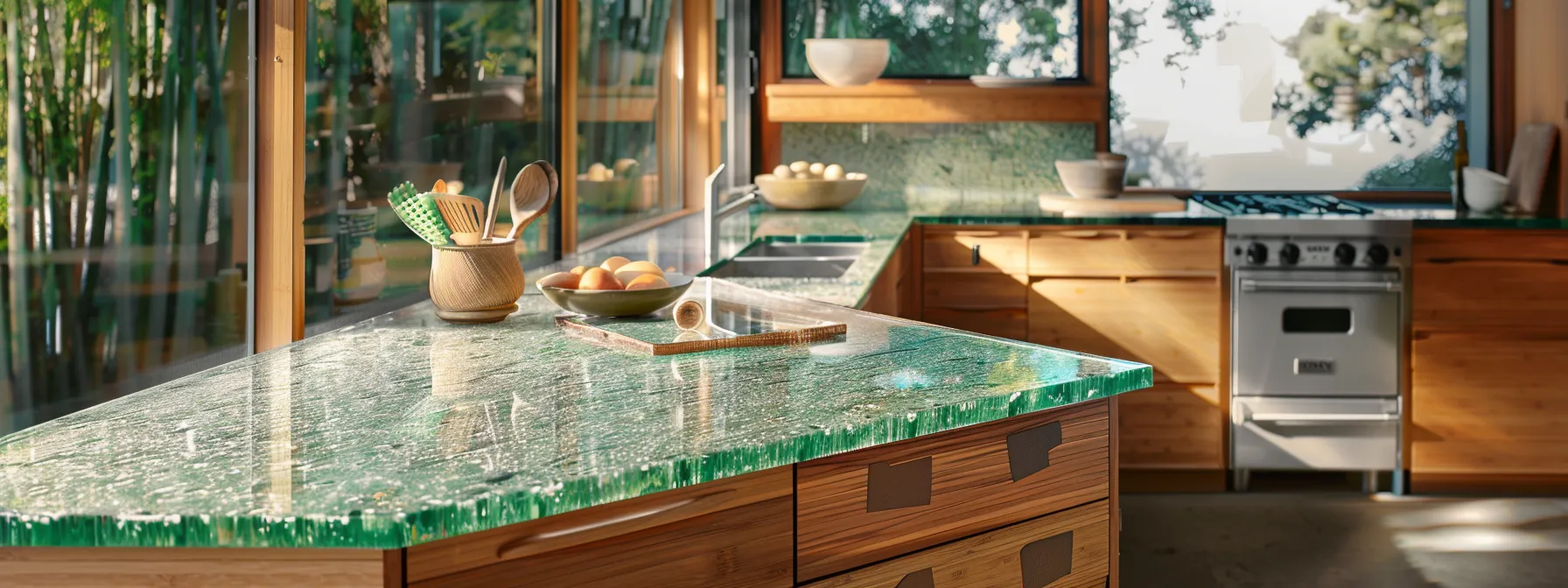
Sustainable materials have increasingly become a focal point in kitchen design, driving innovation and practicality in remodeling projects. By selecting eco-friendly building blocks, homeowners can create a kitchen space that reflects both style and responsibility. Recycled glass countertops offer a unique aesthetic along with durability, making them a favorable choice over conventional granite surfaces. Bamboo, known for its rapid growth and low environmental impact, presents a sustainable alternative for cabinetry and tableware. Incorporating reclaimed wood not only adds a rustic charm but also reduces the demand for new lumber. Additionally, innovative composite materials are reshaping the perception of green kitchens, providing modern solutions without compromising quality. The resurgence of cork flooring stands as a testament to both sustainability and design, further enhancing the eco-conscious kitchen. Each of these elements represents a step towards a more sustainable future, marrying functionality with aesthetic appeal.
Choosing Eco-Friendly Building Blocks
In the quest for sustainable living, selecting eco-friendly building blocks is essential for achieving a functional kitchen that promotes sustainable design. Homeowners should prioritize sustainable products that not only reduce environmental impact but also enhance the brightness and style of the space. Thoughtfully chosen green building materials create an inviting atmosphere while supporting a healthier planet. For more information, visit the HIA Website.
Prioritize sustainable materials such as recycled glass and bamboo.
Incorporate reclaimed wood for a unique aesthetic.
Opt for innovative composite materials for durability and function.
Utilize cork flooring to add both style and eco-friendliness.
Focus on products that promote energyefficiency and long-term sustainability.
Advantages of Recycled Glass Countertops
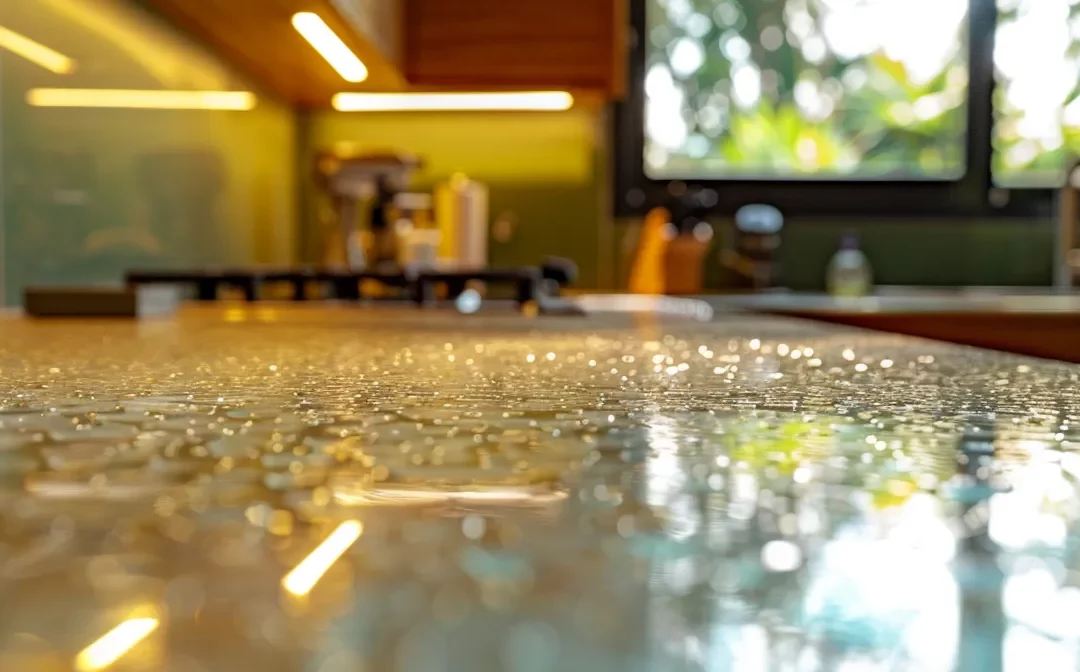
Recycled glass countertops present a remarkable advantage in reducing the carbon footprint associated with kitchen renovations. By utilizing materials that repurpose waste glass rather than relying on energy-intensive processes to produce new surfaces, homeowners can make a significant impact. Additionally, these countertops are available in a variety of hues, allowing for personalized designs that complement other elements, such as stainless steel appliances, while remaining eco-conscious.
Incorporating recycled glass countertops into a kitchen remodel not only enhances aesthetic appeal but also promotes sustainability. The energy savings from using such materials can be complemented with features like compost stations, encouraging environmentally friendly habits in everyday cooking and food preparation. This combination makes for a design that prioritizes both visual harmony and ecological responsibility.
Bamboo: The Fast-Growing Sustainable Choice
Bamboo stands out as an exemplary choice for sustainable interior design, especially in kitchen spaces. Its rapid growth cycles and ability to thrive without the use of harmful pesticides align with ethical practices that prioritize environmental responsibility. From a farmhouseperspective, bamboo adds a unique aesthetic while minimizing waste, making it an ideal material for both rustic and modern kitchen designs.
Bamboo offers rapid renewal rates, making it a sustainable resource.
Its aesthetic versatility integrates effortlessly into various design styles.
Using bamboo supports ethical sourcing and environmental stewardship.
Contributing to waste reduction aligns with eco-friendly practices.
Incorporating Reclaimed Wood for a Rustic Look
Incorporating reclaimed wood into kitchen design offers a unique way to achieve a rustic look while promoting sustainability. Custom cabinets crafted from reclaimed timber not only showcase stunning natural variations but also harmonize beautifully with modern elements like stainless steel appliances. Advancements in automation and design intelligence allow homeowners to integrate sensors for efficient lighting and climate control, enhancing functionality and complementing the warm aesthetics of reclaimed wood.
Innovative Composite Materials for Green Kitchens
Innovative composite materials are transforming the landscape of sustainable kitchens by combining style and functionality. Materials such as recycled plastics and biocomposites deliver striking designs that can serve as an accent wall or complement a modern stove, all while prioritizing the natural environment. These options not only cater to the taste of discerning homeowners but also act as an engine for sustainability through their environmentally responsible production methods.
Recycled plastics enhance design while supporting eco-friendly practices.
Biocomposites combine aesthetics with sustainable sourcing.
These materials can be used for accent walls or kitchen fixtures.
Homeowners enjoy stylish, functional designs that contribute to a healthier planet.
Why Cork Flooring Is Making a Comeback
Cork flooring is gaining renewed attention in kitchen design due to its unique combination of aesthetics and sustainability. As homeowners embrace the idea of a kitchen remodel, cork presents an intriguing option that encourages creativity while also mitigating greenhouse gas emissions. Its natural insulating properties make it a comfortable choice for standing by the cooktop during prolonged cooking sessions, enhancing the overall experience in the kitchen.
Key benefits of cork flooring include:
Providing a soft underfoot surface, reducing strain during long cooking periods.
Offering natural sound-dampening qualities, creating a quieter kitchen environment.
Minimizing energy costs due to its insulation properties, thus lowering greenhouse gas emissions.
Being harvested sustainably, aligning with eco-friendly practices in home design.
As homeowners prioritize sustainable materials in their kitchen designs, another trend is emerging on the horizon. Eco-friendly kitchen appliances are gaining traction, promising to enhance functionality while minimizing environmental impact.
The Rise of Eco-Friendly Kitchen Appliances
As the movement towards sustainability gains momentum in the realm of kitchen design, the choice of appliances plays a pivotal role in shaping a more environmentally conscious home. Energy-efficient refrigerators are starting to dominate the market with their ability to reduce energyconsumption, directly benefiting the planet and a chef‘s culinary aspirations. Water-saving dishwashers emerge as key players, blending convenience with eco-friendly practices that resonate within modern culture. Additionally, modern cooking ranges incorporate enhanced efficiency features that appeal to both seasoned chefs and home cooks alike, catering to those who value sustainability without sacrificing performance. Induction cooktops stand out, offering rapid heating and energy conservation, thus embracing the grey area between high-end cooking and environmental responsibility. Furthermore, understanding the significance of Energy Star ratings guides homeowners in making informed decisions, ensuring appliances contribute meaningfully to a sustainable kitchenrenovation.
Selecting Energy-Efficient Refrigerators
Selecting energy-efficient refrigerators represents a key component in sustainable kitchen design. These modern appliances often integrate the internet of things, allowing for real-time energy management and usage monitoring, which significantly reduces power consumption. Homeowners can complement their eco-friendly choices with materials such as charcoal, terrazzo, and sustainable lumber, enhancing both the aesthetic appeal and environmental responsibility of their kitchens.
Water-Saving Dishwashers for Sustainable Living
Water-saving dishwashers significantly enhance user experience by combining efficiency with ease of use. These advanced appliances consume less water, directly benefiting efforts to combat climate change while promoting sustainable living. Additionally, the construction of such dishwashers often involves materials like quartz, which not only improve durability but also support environmentally responsible manufacturing practices, making them accessible to a wider audience seeking eco-friendly kitchen solutions.
Modern Cooking Ranges With Enhanced Efficiency
Modern cooking ranges with enhanced efficiency are transforming kitchen dynamics, fostering a more environmentally conscious behavior among homeowners. These appliances not only excel in their cookingproperty but also evoke a sense of emotional connection through their sleek designs, often available in colors like emerald that can complement any kitchen wall. By seamlessly integrating functionality with aesthetic appeal, these ranges encourage a commitment to sustainability while enriching the overall culinary experience.
How Induction Cooktops Contribute to Energy Conservation
Induction cooktops represent a significant advancement in sustainable kitchen design, marrying beauty with functionality. This innovative machine utilizes electromagnetic energy to directly heat pots and pans, resulting in quicker boiling times and reduced energyconsumption. By minimizing heat loss and optimizing efficiency, induction cooktops stand as a prime choice for homeowners aiming to create an eco-friendly culinary space.
The Importance of Energy Star Ratings
The significance of Energy Star ratings cannot be understated in the contemporary kitchen landscape. These ratings serve as a benchmark for energyefficiency, guiding homeowners towards appliances that balance sustainability with performance. Experts emphasize that selecting Energy Star-certified products not only reduces energyconsumption but also influences social behavior, encouraging a collective shift towards environmentally responsible choices in home manufacturing, thereby reshaping the approach to modern kitchen palettes.
With eco-friendly kitchen appliances paving the way for greener living, the spotlight now shifts to another crucial aspect of sustainable design. Sustainable lighting solutions are illuminating modern kitchens, enhancing both functionality and environmental responsibility.
Sustainable Lighting Solutions for Modern Kitchens
Modern kitchens are increasingly embracing sustainable lighting solutions that align with eco-friendly principles and bring aesthetic appeal. LEDs lead the charge, offering energy-efficient illumination that significantly reduces waste generated by traditional bulbs, ultimately minimizing contributions to landfills. Harnessing the benefits of natural light becomes essential, as it not only enriches the kitchen space but also promotes a healthier atmosphere. Innovations such as solar tube lights introduce creative ways to channel sunlight into interior areas, enhancing energyefficiency. Moreover, smart lighting systems integrated with mobile apps further enhance control over energyconsumption, allowing homeowners to adjust settings seamlessly from their devices. These advancements reflect a comprehensive approach to kitchen design that not only opts for shades of green but also incorporates engineered stone materials, ensuring sustainability as a core value of modern living.
LEDs: The Future of Kitchen Illumination
LEDs have emerged as a prominent choice in modern kitchen design, aligning with the latest trends in energyefficiency and sustainability. These lighting solutions, crafted from materials such as aluminium and plastic, offer a sleek aesthetic while significantly reducing energyconsumption. Consumers increasingly favor LED technology for its longevity and versatility, making it a practical addition to any room in the home that requires illumination.
The Benefits of Natural Light in Kitchen Spaces
Natural light significantly enhances kitchen spaces, transforming the overall perception of the room. By allowing sunlight to pour in, homeowners can uplift their mood and reduce the occurrence of “blues” often associated with darker environments. Moreover, utilizing natural light diminishes the reliance on artificial lighting, ultimately contributing to lower energyconsumption and, consequently, a reduction in greenhouse gas emissions.
The infusion of sunlight also highlights the beauty of wood finishes and materials, creating a warm and inviting atmosphere. This connection to nature has prompted many designers to prioritize the reuse of materials that resonate with eco-friendly principles, enhancing both design and sustainability. By embracing natural light, kitchens become not just functional areas but also spaces that foster well-being and creativity.
Solar Tube Lights: An Innovative Lighting Solution
Solar tube lights present a forward-thinking solution for homeowners transitioning towards sustainable design. By capturing sunlight from the roof and channeling it downwards, these innovative installations not only illuminate kitchens effectively but also attract the attention of architects aiming to integrate eco-friendly principles into their designs. This approach helps optimize energyefficiency without compromising on style, providing valuable insight into modern lighting options that support Energy Star initiatives.
Feature
Description
Energy Efficiency
Solar tube lights significantly reduce reliance on artificial lighting, lowering energy costs.
Natural Illumination
These fixtures bring in natural light, creating a warm and inviting kitchen atmosphere.
Architectural Appeal
Designed to blend seamlessly into ceilings, they enhance overall aesthetics without overpowering the surrounding décor.
Environmental Impact
Utilizing solar energy contributes to a notable decrease in greenhouse gas emissions.
By integrating solar tube lights into kitchen designs, homeowners can elevate both functionality and environmental stewardship, transforming spaces that inspire and rejuvenate.
Smart Lighting Systems to Reduce Energy Use
Smart lighting systems not only enhance the aesthetic appeal of the kitchen but also play a vital role in increasing energyefficiency throughout the home. By integrating these systems into a space adorned with hardwood floors, such as oak, homeowners can optimize their lighting usage based on natural light availability and personal preferences, thereby reducing overall energyconsumption. This approach not only promotes sustainable living but also contributes to a wealth of benefits, creating a more inviting environment that extends seamlessly into adjacent areas like the dining room.
Modern kitchens are embracing sustainable lighting not just for ambiance, but as a stepping stone towards greener innovations. Explore how the latest in kitchen fixtures is transforming functionality while championing environmental responsibility.
Green Innovation in Kitchen Fixtures
In the pursuit of a sustainable kitchen, innovations in fixtures are playing a crucial role in redefining home design. Low-flow faucets emerge as a key solution, significantly reducing water consumption without sacrificing performance. Homeowners now have a variety of eco-friendly material options for sinks, including durable choices made from recycled metal or terracotta, ensuring both functionality and stylish appeal. Advances in sustainable kitchen hardware further enhance this movement, harnessing innovations inspired by natural elements such as straw and wind. By integrating these green innovations, kitchen spaces become more sustainable while maintaining a commitment to quality and aesthetics.
Low-Flow Faucets to Conserve Water
Low-flow faucets present a practical solution for homeowners seeking to reduce their ecological footprint in the kitchen. By efficiently managing water flow during daily tasks like washing dishes or preparing meals, these fixtures minimize wasted water and contribute to significant energy savings related to water heating. Furthermore, many modern low-flow faucets are designed without harmful substances such as formaldehyde, making them an environmentally friendly choice that aligns with broader sustainable practices often discussed in both kitchen and bathroom renovations.
Eco-Friendly Material Options for Sinks
Eco-friendly material options for sinks have gained popularity, driven by research highlighting their ability to reduce carbon footprints and minimize air pollution. Manufacturers are now offering sinks made from sustainable materials such as recycled metal and bamboo composites, which not only contribute to environmental preservation but also enhance the kitchen’s aesthetic appeal. These innovative sinks enable homeowners to enjoy their meal preparations in a space that embraces sustainability while benefiting from the natural daylight that complements their kitchen design.
Advances in Sustainable Kitchen Hardware
Advancements in sustainable kitchen hardware are significantly influencing modern renovation approaches, emphasizing both innovation and eco-friendliness. By prioritizing products certified by the Forest Stewardship Council, homeowners can ensure that their choices support responsible forest management while also aligning with a healthy lifestyle. These innovative fixtures not only conserve essential resources and reduce environmental impact but also enhance the aesthetic appeal of kitchen spaces.
Feature
Description
Forest Stewardship Council Certification
Ensures that materials are sourced sustainably, supporting responsible forestry practices.
Resource Efficiency
Innovative hardware implements design that minimizes waste and conserves water usage.
Modern Aesthetics
Eco-friendly fixtures combine style and sustainability, enhancing overall kitchen design.
Impact on Lifestyle
Encourages environmentally conscious living, making sustainability an integral part of daily routines.
The advancements in green fixtures are just the beginning; the next step is seamlessly integrating these technologies into kitchen design. By combining innovative eco-friendly solutions with smart aesthetics, homeowners can create a sustainable culinary space that inspires both cooking and creativity.
Integrating Green Technology Into Kitchen Design
As modern kitchens evolve to incorporate sustainable practices, the integration of green technology plays a pivotal role in reshaping home design. Smart appliances equipped with energy-saving features streamline daily tasks while maximizing utility, allowing homeowners to make environmentally conscious choices. Additionally, the Internet of Things (IoT) provides innovative solutions for reducing kitchen waste by enabling real-time monitoring of food inventory and expiration dates. Automated systems that facilitate composting kitchen scraps further contribute to sustainability efforts, demonstrating leadership in waste management. By utilizing eco-friendly materials such as concrete countertops and plywood cabinets, homeowners can create spaces that reflect a commitment to both functionality and environmental responsibility.
Smart Appliances for a Sustainable Kitchen
Smart appliances are transforming kitchen environments by promoting efficiency and reducing waste, directly addressing various environmental issues. These advanced units offer features such as precise temperature controls for sinks and adaptive settings for countertops, enhancing both performance and sustainability. Brands that prioritize energy-efficient technology contribute to creating an atmosphere that reflects a commitment to environmental stewardship, appealing to eco-conscious consumers.
Feature
Description
Energy Efficiency
Smart appliances optimize energy use, significantly reducing overall consumption.
Automated Monitoring
Real-time tracking of food inventory helps minimize waste in meal preparation.
Adaptive Settings
Customizable features for kitchens ensure precise functionality of sinks and countertops.
Environmental Impact
Innovative designs support sustainable living by addressing pressing environmental challenges.
The Role of IoT in Reducing Kitchen Waste
The integration of Internet of Things (IoT) technology enhances kitchen management by monitoring food inventory and expiration dates. Home automation facilitates seamless tracking within the pantry, reducing waste through timely notifications for food items that require consumption. This proactive approach not only contributes to effective waste management but also ensures improved indoor air quality and food hygiene across kitchen spaces.
Real-time monitoring of food inventory prevents spoilage.
Enhanced hygiene standards result from better food practices.
Indoor air quality improves through reduced waste odors.
Automated Systems for Composting Kitchen Scraps
Automated systems for composting kitchen scraps play a significant role in promoting a sustainable kitchen by minimizing food waste and reducing pollution. These innovative solutions enhance the usability of kitchen spaces, allowing homeowners to efficiently manage organic waste, such as olive pits and vegetable peels, while simultaneously decreasing their environmental footprint. By integrating technology into composting practices, families can contribute to a healthier planet and foster eco-friendly habits within their households.
Innovative designers are constantly pushing the boundaries of sustainability in kitchen design. The future holds even more exciting developments that will redefine how kitchens function and interact with the environment.
Future Trends in Sustainable Kitchen Design
As the movement towards sustainable kitchen design continues to gain momentum, several innovative concepts are emerging to shape the future of the space. Biophilic design prioritizes a strong connection between kitchens and nature, integrating elements that leverage natural light and greenery to enhance both aesthetics and well-being. The idea of zero-waste kitchens is on the rise, encouraging homeowners to implement recycling practices and optimize the use of renewable energy sources throughout their cooking and cleaning processes. Minimalism, characterized by its efficient use of space and reduction of clutter, is influencing kitchen layouts and storage solutions, including the choice of kitchen cabinets and dishwashers that emphasize functionality while maintaining a deep green ethos. These trends reflect a holistic approach to kitchen design that harmonizes environmental responsibility with practical living solutions.
Biophilic Design: Connecting Kitchens With Nature
Biophilic design emphasizes the integration of natural elements into kitchen environments, creating a space that fosters a connection with the outdoors. By incorporating features such as a corkfloor, a tasteful kitchen hood that mimics organic forms, and strategically placed drawers that flow harmoniously with the overall aesthetic, designers enhance both functionality and visual appeal. This approach not only elevates the kitchen’s atmosphere but also contributes to environmental protection, reflecting a commitment to sustainability in every element of the design.
Zero-Waste Kitchens: A Vision for the Future
Zero-waste kitchens represent a transformative vision where every element contributes to sustainability. By incorporating durable, eco-friendly materials like linoleum for countertops and flooring, homeowners can create spaces that not only look striking but also minimize waste. Pairing this with a rich midnight bluecabinetry can enhance the visual appeal while promoting a commitment to reducing environmental footprints.
The Impact of Minimalism on Sustainable Kitchen Design
Minimalism significantly influences sustainable kitchen design by prioritizing efficiency, simplicity, and intentionality. This approach encourages homeowners to select fewer, but higher-quality materials and fixtures that serve multiple functions, ultimately reducing waste and promoting mindful consumption. By creating uncluttered spaces that focus on essential elements, minimalism aligns seamlessly with the principles of sustainability while enhancing both aesthetic appeal and overall functionality.
Master Your Kitchen Renovation BudgetPlanning: A Comprehensive Guide
Kitchen renovations present an opportunity to breathe new life into a vital space in any home. With the guidance of HIA Australia, planning a kitchen renovation budget effectively transforms a vision into reality, ensuring that each dollar is optimally allocated. From stylish pendantlighting to functional cabinetry, every detail counts in creating a stunning environment. Understanding how to create, manage, and prioritize expenses can significantly impact the success of your project. Readers can anticipate expert tips on saving money without sacrificing quality while also learning about financing options. Keep reading to become equipped with valuable insights that will streamline your kitchen makeover journey.
Key Takeaways
Establish a clear budget limit to guide kitchen renovation spending effectively
Break down costs by specific project areas for strategic resource allocation
Set aside a reserve for unexpected expenses to maintain renovation momentum
Consider cost-effective material alternatives to achieve desired aesthetics within budget constraints
Regularly monitor expenses against the budget to ensure financial alignment throughout the project
Crafting Your Budget for a Kitchen Makeover
Effective budget planning is essential when undertaking kitchen renovations HIA Australia. First, establishing an overall budget limit helps set the framework for the project and avoid unforeseen financial strain. Next, breaking down the budget by specific project areas, such as cabinetry, countertops, and fixtures, allows for a more focused allocation of funds. This can ensure that key elements, like drywall installation or brass finishes, receive the necessary financial attention. Lastly, it is important to allocate a percentage of the budget for unexpected costs that may arise during the renovation, ensuring that the project maintains momentum without compromising quality. By considering these aspects, homeowners can achieve a successful kitchen transformation with a strong return on investment.
Determine Your Overall Budget Limit
Establishing an overall budget limit is a fundamental step in the kitchen renovations process. A detailed financial plan should consider essential materials, such as lumber for cabinetry and shelving, while also factoring in the desired features for the galley design and pantry enhancements. These considerations help homeowners allocate funds effectively, ensuring that every aspect of the kitchen renovations project aligns with their vision and expectations. HIA Australia
Break Down the Budget by Project Areas
Breaking down the budget by project areas enables homeowners to allocate resources strategically within their HIA Australia kitchen renovations. For instance, investing in high-quality materials like quartz countertops and steelappliances can dramatically elevate the overall interior design, aligning with contemporary aesthetics featured on platforms like HGTV. Allocating sufficient cash for each area, including cabinetry and fixtures, ensures that every element contributes to a cohesive and functional space.
Allocate Funds for Unexpected Costs
Allocating funds for unexpected costs is a prudent strategy during any kitchen renovations remodel. Homeowners should set aside a portion of their budget to address unforeseen expenses, such as issues with plumbing or electrical systems that may arise after removing the old countertop. This reserve can also accommodate last-minute upgrades, like high-efficiency appliances or a luxurious granite finish, enhancing the kitchen’s functionality and aesthetics without compromising other areas of the renovation.
With your budget set, it’s time to focus on what truly matters in your kitchen makeover. Prioritizing the right essentials will elevate your space and enhance everyday functionality, setting the stage for a stunning transformation.
Essentials to Prioritize in Your Kitchen Renovation
When embarking on a kitchen renovation, certain essentials warrant careful consideration to ensure a functional and beautiful space. Prioritizing cabinetry needs involves selecting designs and finishes that complement the ceiling height and overall aesthetic. The choice of countertops plays a critical role, as they must withstand daily use while enhancing the kitchen’s visual appeal. Durable flooring selection is equally vital; it should provide longevity and resilience against wear, especially in a busy kitchen environment. Lastly, updating appliances, including the sink and stove, ensures modern efficiency and style. An understanding of labor costs associated with these choices can further refine the budget, allowing homeowners to maximize value and satisfaction in their renovation outcomes.
Deciding on Cabinetry Needs
When deciding on cabinetry needs, homeowners must evaluate the material choices that align with both functionality and aesthetic goals. The selection of wood can significantly influence the kitchen remodeling budget, so a thoughtful cost breakdown is essential. Cabinetry that reaches the wall can add both height and storage options, optimizing the use of vertical space while contributing to the overall kitchen design.
Cabinet Type
Material
Average Cost
Base Cabinets
Wood
$100 – $500 each
Wall Cabinets
Wood
$80 – $400 each
Custom Cabinets
Wood (varies)
$500 – $1,200 each
Ready-to-Assemble (RTA)
Particleboard/Wood Veneer
$50 – $200 each
Choosing the Right Countertops
Selecting the right countertops is a pivotal aspect of any kitchen remodel, significantly impacting both aesthetics and functionality. Durable materials such as quartz and granite can withstand the daily demands of a busy kitchen, while options like butcher block offer a warm, inviting touch that complements various design styles. Homeowners should consider how countertop choices affect the overall kitchen renovation cost, as high-quality surfaces can elevate the space while aligning with other essential elements, including flooring and cabinetry.
Selecting Durable Flooring
Selecting durable flooring is vital in establishing a balanced kitchen atmosphere that harmonizes with cabinetry and appliances. Options like porcelain tile or luxury vinyl can withstand high traffic while complementing materials such as soapstone countertops and stainless steel fixtures. The flooring should also enhance the overall aesthetic, playing a crucial role in how lighting interacts with the space for a cohesive look.
Choose flooring that complements cabinetry and countertops.
Focus on materials that endure the demands of daily kitchen use.
Consider how lighting affects the ambiance and visual appeal of the flooring.
Updating Your Appliances
Updating appliances is a vital component in any kitchen renovation, impacting both functionality and energy efficiency. New models, such as energy-efficient kitchen hoods and modern refrigerators, enhance daily cooking experiences while aligning with a defined kitchen remodel budget. Selecting complementary finishes and coordinating with elements like woodflooring or lighting fixtures can create a cohesive and inviting space.
Appliance Type
Average Cost
Key Features
Refrigerator
$800 – $3,000
Energy-efficient, modern designs
Kitchen Hood
$300 – $2,000
Improved ventilation, stylish options
Oven/Range
$600 – $4,000
Smart technology, versatile cooking modes
Dishwasher
$400 – $1,500
Quiet operation, energy-efficient
As homeowners embark on their kitchen renovation journey, balancing essentials with budgetary constraints is key. Yet, creativity can pave the way for savings without sacrificing quality, ensuring a stunning transformation that remains financially savvy.
How to Save Without Compromising Quality
Smart budgeting strategies play a pivotal role in any kitchen renovation without sacrificing quality. Exploring cost-effective material alternatives, like opting for durable laminate instead of pricey marble, allows homeowners to achieve the desired aesthetic while managing kitchen remodel costs. Another approach includes considering refurbishing existing elements, such as updating cabinet drawers or repainting fixtures to rejuvenate the space without the hefty price tag of brand-new items. Additionally, shopping around for deals on appliances, like energy-efficient cooktops and stylish sinks, ensures that homeowners maximize their budget while maintaining a cohesive and functional kitchen environment.
Explore Cost-Effective Material Alternatives
Homeowners seeking to manage their project cost during kitchen remodeling can achieve significant savings by exploring cost-effective material alternatives. Options such as laminate countertops or vinyl flooring can replicate the look of higher-end materials while being budget-friendly and easier to install for those who prefer to do it yourself. By investing wisely in affordable options, individuals can still achieve a stylish and functional kitchen without stretching the average kitchen remodel budget.
Consider Refurbishing Existing Elements
Refurbishing existing elements can significantly enhance the kitchen’s appeal while adhering to budget constraints. Homeowners can breathe new life into worn hardwood cabinets by applying a fresh coat of paint or stain, which not only preserves the original materials but also transforms their appearance. Additionally, updating components like the butcher block countertops or enhancing ventilation systems can be a smart bit of planning that elevates both functionality and style without the need for costly replacements.
Shop for Deals on Appliances and Fixtures
Homeowners can effectively cut costs by shopping for deals on appliances and fixtures throughout their kitchen renovation. Retailers often offer seasonal discounts, and specials on essential items such as a new oven or a microwave oven can lead to significant savings, making it easier to stay within budget. Additionally, finding stylish tile options and attractive crown molding can enhance the overall design while remaining mindful of expenses.
Saving money while maintaining quality is a smart strategy that can lead to stunning results. Next, understanding how to finance your kitchen remodel wisely can take your vision even further.
Financing Your Kitchen Remodel Wisely
Financing a kitchen remodel requires careful consideration of various options to effectively manage associated expenses. Homeowners often need to weigh the benefits of different financing methods, including loans and out-of-pocket payments, which can significantly impact their overall kitchen budget. Choosing a loan may involve evaluating interest rates and terms, especially if investing in essential upgrades like a new dishwasher or fixtures with a general contractor. Furthermore, planning for repayment is critical; homeowners should strive to create a strategy that allows for comfortable monthly payments, minimizing financial strain while achieving their desired kitchen transformation.
Understanding Financing Options Available
When assessing financing options for a kitchen remodel, homeowners should consider various pathways that best suit their financial situation. Personal loans or lines of credit can be viable choices for those looking to make substantial investments in solid surface countertops or upgraded appliances for their cooking space. Exploring home equity loans may allow for more extensive renovations if individuals have built up equity, further enabling them to design a truly innovative room.
Financing Option
Description
Best For
Personal Loans
Unsecured loans with fixed interest rates.
Small to medium renovations.
Home Equity Loans
Secured loans based on home equity, often with lower interest rates.
Larger remodeling projects.
Credit Cards
Revolving credit for smaller purchases or materials.
Quick fixes or minor updates.
Cash-Out Refinance
Refinancing the mortgage to access home equity.
Comprehensive upgrades.
Establishing a financial plan prior to starting the renovations can streamline the budgeting process, ensuring that homeowners are prepared to handle costs related to new cabinetry, appliances, or shelving. By weighing the available options and aligning them with personal financial goals, individuals can effectively create a tailored approach to funding their kitchen project.
Evaluating Loan vs. Out-of-Pocket Payment
When deciding between utilizing a loan or out-of-pocket payment for a kitchen remodel, homeowners should carefully weigh their financial stability and project goals. Loans can provide the necessary liquidity for larger renovations, allowing individuals to invest in quality elements such as new flooring and advanced appliances while spreading costs over time. Alternatively, opting for out-of-pocket payments can help maintain a budget kitchen without incurring debt, promoting a more cautious approach to financial management during the remodeling process.
Planning for Repayments Without Financial Strain
When planning for repayments, homeowners should establish a clear budget that reflects their financial capacity. This careful assessment allows individuals to determine a manageable monthly repayment structure, aligning their renovation goals with practical affordability. Strategically allocating funds will help ensure that renovations do not lead to overwhelming financial burdens.
Assess financial capacity and set a realistic repayment budget.
Determine a manageable monthly payment plan based on renovation costs.
Strategically allocate funds to maintain financial stability during the renovation.
Securing the right financing lays the groundwork for a successful kitchen remodel. Now, the focus shifts to optimizing labor costs, ensuring every dollar spent contributes to your dream space.
Managing Labor Costs Effectively
Effective management of labor costs can significantly influence the overall budget of a kitchen renovation. Homeowners must carefully evaluate when to tackle projects themselves versus hiring skilled professionals. Understanding the scope and complexity of tasks is essential for making informed choices about whether to DIY or enlist expert help. Obtaining accurate labor estimates requires research and clear communication with contractors, ensuring transparency in pricing. Additionally, negotiating with contractors can lead to more favorable terms, creating opportunities for cost savings while maintaining quality standards. These strategies empower homeowners to navigate labor costs efficiently, ultimately supporting their renovation goals within a defined budget.
When to DIY vs. Hiring Professionals
Homeowners must assess their own skill levels and the specific tasks involved when deciding whether to undertake renovations themselves or hire professionals. For straightforward tasks like painting or installing hardware, a DIY approach can save money and provide personal satisfaction. In contrast, complex projects requiring specialized skills, such as plumbing or electrical work, typically benefit from professional expertise, ensuring safety and adherence to local regulations.
How to Get Accurate Labor Estimates
Obtaining accurate labor estimates requires clear communication with contractors and a thorough understanding of the project’s scope. Homeowners should prepare detailed descriptions of the tasks needed, as this helps contractors provide precise quotes based on the required expertise and time commitment. Additionally, gathering multiple estimates allows for comparisons that can lead to better decision-making and cost management.
Tips for Negotiating With Contractors
Effective negotiation with contractors is essential for optimizing labor costs during a kitchen renovation. Homeowners should approach discussions armed with research on average labor rates to gain a clearer understanding of expected costs. Establishing a positive and professional rapport can also encourage contractors to provide more favorable terms and flexibility in pricing.
Research average labor rates in the area.
Establish a positive rapport with contractors.
Request detailed quotes for transparency.
Consider bundling services for potential discounts.
Be open to negotiating payment terms for mutual benefit.
Effective management of labor costs lays a solid foundation for any renovation project. Now, it’s time to shift focus to ensuring your kitchen renovation stays on schedule and meets your vision.
Keeping Your Kitchen Renovation on Track
Maintaining momentum during a kitchen renovation is essential for achieving desired outcomes while adhering to budget constraints. Establishing a clear timeline provides structure, outlining milestones that guide progress and promote accountability. Regularly monitoring expenses against the budget allows homeowners to identify any deviations early, thus enabling prompt corrective action. Adjustments may become necessary, whether reallocating funds to critical areas or scaling back on non-essential elements to maintain financial viability. By focusing on these key aspects, the renovation process stays organized and aligned with the initial budgetary goals, fostering an efficient and satisfying transformation.
Creating a Timeline for Your Project
Establishing a timeline is fundamental to the success of a kitchen renovation, as it outlines crucial phases of the project and helps manage client expectations. By setting realistic deadlines for each stage, from design approval to final installation, homeowners can track progress effectively and ensure that the renovation stays on schedule. Regular check-ins and adjustments to the timeline allow for a more fluid response to any unforeseen developments, maintaining focus on completing the project within the anticipated timeframe.
Monitoring Expenses Against Your Budget Regularly
Regularly monitoring expenses against the set budget ensures that homeowners remain aware of their financial standing throughout the renovation process. Keeping detailed records of expenditures allows for prompt identification of any discrepancies, enabling quick adjustments to maintain alignment with initial financial plans. Consistent tracking facilitates informed decision-making, ultimately supporting a successful transformation.
Establish a detailed tracking system for expenses.
Review and compare actual spending against the budget frequently.
Identify areas where adjustments may be necessary.
Make informed decisions to keep the renovation progressing smoothly.
Adjusting Plans as Needed to Stay Within Budget
Adjusting plans during a kitchen renovation is vital for staying within budget. Homeowners should remain flexible and open to making changes as they progress, recognizing that unexpected expenses may arise or certain elements may exceed initial estimates. By revisiting the budget regularly and prioritizing key features, individuals can adapt their plans effectively while ensuring their renovation remains aligned with both financial and aesthetic goals.
Adjustment Type
Description
Impact on Budget
Feature Prioritization
Reassessing the importance of various elements in the kitchen.
Increased focus on essential upgrades, potentially reducing costs on less critical items.
Material Substitution
Choosing alternative materials that offer similar aesthetics at lower costs.
Cost savings while maintaining design integrity.
Scaling Down
Reducing the scope of the project or timeline.
Helps prevent over-expenditure and keeps costs manageable.
Ultimately, strategic adjustments can create an opportunity for a successful renovation that fulfills both design aspirations and budgetary constraints.
Smart Strategies for a Cost-Effective Kitchen Makeover
Transforming a kitchen can be an exciting venture for homeowners seeking to elevate their space without breaking the bank. With various kitchen renovations options available, finding strategies that maximize return on investment is essential for a successful home improvement project. Consulting the HIA website reveals insights into pricing and trends that can help guide decisions toward cost-effective solutions. Innovative updates can completely revitalize the look and feel of any kitchen while keeping the budget in check. Keep reading to explore smart strategies that will make your kitchen makeover both stylish and affordable.
Key Takeaways
Choosing durable, low-cost materials can elevate the kitchen’s aesthetic and functionality
Incorporating remnants and leftover materials reduces costs while enhancing creativity in kitchen design
DIY projects offer personalized touches and significant savings during kitchen renovations
Maintaining the existing layout helps preserve budget and improves renovationefficiency
Layered lighting transforms ambiance without extensive renovations, enhancing both style and functionality
Replace Your Outdated Countertops for a High Impact Effect
In the journey of kitchen renovations remodeling a galley kitchen, replacing outdated countertops stands out as a transformative step that elevates the entire space. Select durable, low-cost materials that not only enhance functionality but also complement the overall interior design, creating an elegant yet affordable kitchen aesthetic. Those managing smaller countertop areas should consider shopping for remnants from HIA website, which can significantly reduce expenses. For the handy homeowner, opting for a DIY installation on simple designs adds both a personal touch and further savings. Lastly, obtaining quotes from multiple suppliers enables savvy customers to pinpoint the best deal, ensuring that their affordable kitchen remodel remains within budget without compromising on style or quality.
Choose Durable, Low-Cost Countertop Materials
When considering a kitchen remodel, selecting durable and low-cost countertop materials is essential for achieving both functionality and aesthetic appeal. Materials like quartz and granite offer a stylish look while ensuring longevity and resistance to wear, making them suitable choices for busy kitchens. With a touch of creativity, homeowners can achieve a stunning transformation without compromising their budget, allowing for a beautiful and practical kitchen space.
Shop for Remnants for Smaller Countertops
Homeowners looking to revamp their kitchens can greatly benefit from strategic planning that includes shopping for remnants when dealing with smaller countertops. This approach provides an opportunity to source high-quality materials while saving significantly on costs, especially when fitting around existing appliances such as the sink and stove. Additionally, remnants offer versatility in carpentry, allowing for creative solutions that enhance the overall design without overwhelming the budget.
Consider a DIY Installation for Simple Designs
Homeowners can benefit from opting for a DIY installation, particularly for simple countertop designs, which reduces renovation costs while minimizing waste. This approach not only eliminates professional labor fees but also allows homeowners to channel their energy into personalizing their spaces, reflecting their unique style without the added complexity of intricate designs. Making this choice empowers individuals to take control of their project, resulting in a fulfilling and cost-effective kitchen makeover.
Get Quotes From Multiple Suppliers to Find the Best Deal
To maximize value during a budget kitchen remodel, homeowners should prioritize obtaining quotes from multiple suppliers. This practice allows for a thorough comparison of prices and options, ensuring that selections made, such as durable wood materials for countertops, fit both functionality and design aspirations. In addition to cost savings, investing in energy-efficient appliances—especially those recognized as Energy Star certified—can further enhance the kitchen’s longevity while maintaining an attractive aesthetic against the backdrop of well-chosen wall finishes.
Once those outdated countertops are gone, imagine the transformation that awaits. Elevate your kitchen’s appeal further by adding a striking new backsplash that will truly captivate your senses.
Delight Your Kitchen With a New Backsplash
Upgrading a kitchen with a new backsplash can significantly enhance its appearance without straining the budget. Peel-and-stick tiles offer an easy way to refresh the space, providing a cost-effective solution that DIY enthusiasts can appreciate. For those who prefer timeless designs, opting for classic subway tiles ensures longevity and versatility, making them a staple in budget kitchen remodeling. Additionally, utilizing leftover materials from other projects, such as butcher block or ceramic tiles, can add a unique flair while minimizing waste. This approach not only showcases creativity but also maximizes utility, contributing to a cohesive and attractive kitchen design.
Use Peel-and-Stick Tiles for an Easy and Affordable Update
Peel-and-stick tiles present an efficient solution for homeowners seeking an easy and budget-friendly kitchen makeover. The installation process is straightforward, requiring minimal fuss and no extensive tools, making it accessible for DIY enthusiasts. Not only do these tiles enhance the beauty of the space, but they also complement existing cabinetry, often prompting an inspection of other elements in the kitchen to ensure cohesion in design.
Opt for Classic Subway Tiles for Longevity and Cost-Effectiveness
Classic subway tiles stand out for their enduring appeal in any kitchen remodeling project, reflecting both usability and efficiency. Their simple, clean lines contribute to a seamless workflow, enhancing the overall aesthetic while providing a practical resource for homeowners seeking cost-effectiveness. This longevity makes them a smart choice as they withstand changing design trends without compromising on style or functionality:
Timeless design complements various kitchen styles.
Durability ensures long-lasting performance.
Easy to clean, promoting efficient kitchen maintenance.
Affordable option for budget-conscious renovations.
Get Creative With Leftover Materials for a Unique Look
Homeowners can transform their kitchen by incorporating leftover materials into the design, offering a unique and personalized touch. Utilizing remnants from previous construction projects enhances creativity while effectively managing the kitchen remodel cost. For example, repurposing old tiles or spare pieces from the kitchen cabinetinstallation can seamlessly merge into a cohesive floor plan, showcasing both resourcefulness and style.
Incorporate remnants from previous projects.
Enhance creativity while reducing kitchen remodel cost.
Combine leftover materials for a unique floor plan.
Showcase resourcefulness in kitchen design.
A striking backsplash can elevate your kitchen’s style, but the transformation doesn’t stop there. Discover how remodeling your cabinets can breathe new life into your cooking space without breaking the bank.
Remodeling Kitchen Cabinets on a Budget
Remodeling kitchen cabinets on a budget can lead to surprising transformations, allowing homeowners to achieve a modern look without incurring hefty expenses. A simple yet effective tactic includes painting the cabinets, offering a fresh, new appearance that breathes new life into the space, especially when paired with a striking marblecountertop around the cooktop area. Replacing old hardware can also provide an affordable means to modernize the cabinets, enhancing overall aesthetics without substantial investment. For those seeking to minimize costs further, utilizing open shelving presents not only an economical solution but also a stylish way to display beautiful dishware and add character to the kitchen. This strategic approach empowers homeowners to make impactful changes on their own, ensuring a personalized finish that reflects their brand of style.
Paint Your Cabinets for a Fresh, New Look
Painting cabinets can significantly transform a kitchen’s appearance without imposing a heavy burden on the wallet, making it an ideal choice for kitchen remodeling. This approach not only draws attention to the newly refreshed space but also allows homeowners to reduce their carbon footprint by extending the life of custom-built cabinetry. Given that the average kitchen remodel often involves costly replacements, a simple paint job provides a stylish update while preserving resources and finances.
Replace Old Hardware to Modernize Cabinets Affordably
Replacing old hardware can significantly modernize kitchen cabinets without a heavy financial investment. Opting for environmentally friendly options crafted from hardwood supports sustainability while adding a refined aesthetic to the cabinets. Investing in durable hardware, especially around high-use areas like the oven, ensures functionality and longevity, enhancing both the look and performance of the kitchen space.
Utilize Open Shelving to Save on Cabinet Costs
Utilizing open shelving provides an attractive solution for homeowners aiming to save on cabinet costs during a kitchen remodel. Research shows that this approach not only reduces expenses but also allows for creative display options, enabling homeowners to showcase their favorite dishware and accessories. Experts recommend combining shelves with decorative tile accents to enhance visual appeal while keeping the design cohesive and functional.
Transforming your kitchen cabinets is just the beginning. Next, consider how updating the hardware can create a stunning impact without breaking the bank.
Kitchen Remodeling on a Budget: Update the Hardware
Updating hardware can significantly enhance the aesthetic and functionality of a kitchen without becoming a significant expense, making it an ideal focus for a small kitchen remodel. Choosing stylish yet affordable knobs and pulls can create a modern look that elevates the entire space, especially when paired with refreshed cabinetry. Opting for a DIY installation not only cuts down on labor costs but also allows homeowners to personalize their environments seamlessly. Furthermore, purchasing hardware in bulk not only offers a uniform appearance across cabinets and drawers but can also yield better pricing, translating to increased savings. This attention to detail is equally vital in bathroom remodels, where the coordination between hardware and fixtures, such as a dishwasher, plays an important role in achieving a cohesive overall design.
Choose Stylish, Yet Affordable, Knobs and Pulls
Choosing stylish, yet affordable knobs and pulls can significantly influence the overall aesthetic of a kitchen, especially in minimalist designs. By selecting hardware that complements solid surface countertops, homeowners can create a cohesive look that enhances both functionality and style in the cooking space. Additionally, incorporating reused or repurposed hardware contributes to sustainable practices while allowing for unique personal expression that stands out against a modern floor setup.
Install New Hardware Yourself to Save on Labor Costs
Installing new hardware on cabinets is a straightforward task that homeowners can easily tackle during a kitchen remodel. This hands-on approach not only reduces labor costs significantly but also allows individuals to achieve a personalized touch, selecting styles that resonate with their vision for the space. A well-chosen set of knobs or pulls can redefine the kitchen’s look in just a few hours, making this an effective enhancement within any budget.
Task
Benefits
Estimated Time
Remove Old Hardware
Prepares for a seamless update
30 minutes
Select New Hardware
Personalizes the kitchen remodel
1 hour
Install New Hardware
Saves on labor costs
1-2 hours
This cost-effective strategy not only enhances aesthetic appeal but also fosters a rewarding sense of accomplishment for homeowners navigating their kitchen remodel.
Bulk-Buy Hardware for a Uniform Look and Better Pricing
Bulk purchasing kitchen hardware yields significant savings while promoting a cohesive aesthetic throughout the space. By selecting knobs and pulls in uniform styles, homeowners can create a polished and contemporary look that enhances the overall design. This approach not only simplifies the selection process but also often results in better pricing per item, maximizing the value of every dollar spent.
Reduces costs through wholesale pricing.
Promotes a consistent appearance across cabinets and drawers.
Simplifies design choices for a streamlined remodeling process.
Fresh hardware adds a touch of style and functionality to any kitchen. Now, it’s time to shift focus and consider how new flooring can further enhance your budget-friendly kitchen remodel.
Replace the Flooring for Budget Kitchen Remodeling
Replacing the flooring can significantly impact the overall aesthetic and functionality of a kitchen remodel on a budget. Homeowners should consider options like vinyl or laminate flooring that offer both affordability and style, providing a modern look without excessive costs. Exploring end-of-line deals or wholesale prices allows savvy shoppers to secure quality materials at reduced rates. Furthermore, opting for a DIY installation empowers individuals to save on labor costs while adding a personal touch to their space. This strategic approach leads to a refreshed kitchen environment that meets both aesthetic desires and budgetary constraints.
Consider Vinyl or Laminate Flooring for Cost and Style
Homeowners looking for a budget-friendly kitchen makeover should explore the benefits of vinyl and laminate flooring. These materials combine affordability with aesthetic appeal, allowing for a stylish update without straining financial resources. With various designs and finishes available, they can easily mimic the appearance of more expensive options, providing a sleek and modern look to revitalized kitchen spaces.
Look for End-of-Line Deals or Wholesale Prices
Homeowners seeking to cut renovation costs can benefit significantly from exploring end-of-line deals and wholesale prices on flooring materials. Retailers often discount these items to make room for new inventory, providing an opportunity to acquire high-quality products at a fraction of their original price. Smart shoppers can also inquire about promotional events, which may offer additional savings on already reduced items.
Research various retailers for clearance items.
Compare prices at local and online stores.
Consider negotiating on bulk purchases for larger projects.
Prepare and Install the Flooring Yourself to Cut Costs
Homeowners can achieve significant savings by opting for a DIY approach to preparing and installing new flooring. This hands-on method not only eliminates labor costs but also allows individuals to develop new skills and take pride in their work. As they gather the necessary tools and materials, the engaging process enables them to create a tailored environment that aligns with their unique style and vision for the kitchen.
Revamping a kitchen can be a thrilling journey, especially when considering how to optimize the space effectively. By maintaining the existing layout and plumbing, homeowners can focus their budget on impactful upgrades that truly enhance functionality and style.
Keep Current Layout and Plumbing Where It Is
Sticking with the existing kitchen layout and plumbing offers a practical approach to budget-friendly renovations. Homeowners can maximize savings by working with current gas, water, and electrical lines, which eliminates the need for costly relocations. Designing around appliances not only minimizes major alterations but also enhances the overall flow and functionality of the kitchen. Additionally, implementing creative lighting solutions can dramatically improve the atmosphere, bringing warmth and elegance to the space without extensive modifications. These strategies focus on efficiency and smart planning, allowing for a stunning transformation while maintaining financial viability.
Work With Existing Gas, Water, and Electrical Lines to Save Money
Maintaining the current layout and plumbing setup during a kitchen renovation can significantly reduce costs. By utilizing existing gas, water, and electrical lines, homeowners can avoid the expense and disruption associated with relocating these essential components. This efficient approach not only conserves resources but also facilitates a smoother remodeling process, allowing for a quicker transformation of the kitchen space.
Design Around Appliances to Avoid Expensive Moves
By designing around existing appliances, homeowners can significantly reduce costs during a kitchen remodel. Strategically placing cabinetry, countertops, and storage solutions around these units optimizes space and functionality, while minimizing the need for costly relocations. This approach not only streamlines the remodeling process but also ensures that the kitchen remains efficient and practical for everyday use.
Use Lighting Creatively to Enhance the Current Space Without Major Changes
Lighting plays a pivotal role in transforming the ambiance of a kitchen without necessitating major renovations. By incorporating layered lighting—such as task, ambient, and accent fixtures—homeowners can achieve both functionality and aesthetic appeal. Selecting stylish pendant lights, under-cabinet lighting, or strategically placed wall sconces enhances the overall atmosphere, making the space feel both inviting and chic.
Incorporate layered lighting for optimal effect.
Select stylish fixtures that complement the décor.
Create a warm and inviting atmosphere effortlessly.