How to Assess Bathroom Renovation Proposals for a Successful Project
Assessing bathroom renovation proposals requires a keen understanding of various elements that contribute to the overall success of a project. In the realm of Bathroom and Kitchen Resurfacing, the insights provided by the Master Builders Association of Victoria can significantly enhance decision-making. A detailed contract plays a pivotal role in ensuring clarity regarding costs and responsibilities, particularly in the context of a bathroom remodeling project. Understanding the intricacies of construction estimates can make a world of difference in achieving desired outcomes. Keep reading to discover how to evaluate contractor estimates effectively and ensure your bathroom renovation is a success.
Key Takeaways
Understanding contractor estimates helps avoid unexpected costs in bathroom renovations
A detailed estimate outlines specific expenses, aiding in financial planning
Evaluating material and labor costs ensures a successful and budget-friendly remodeling project
Engaging in clear communication with contractors fosters transparency and trust
Inspecting previous work verifies a contractor’s capabilities before hiring for renovations
Understanding a Contractor’s Estimate for Bathroom Renovations
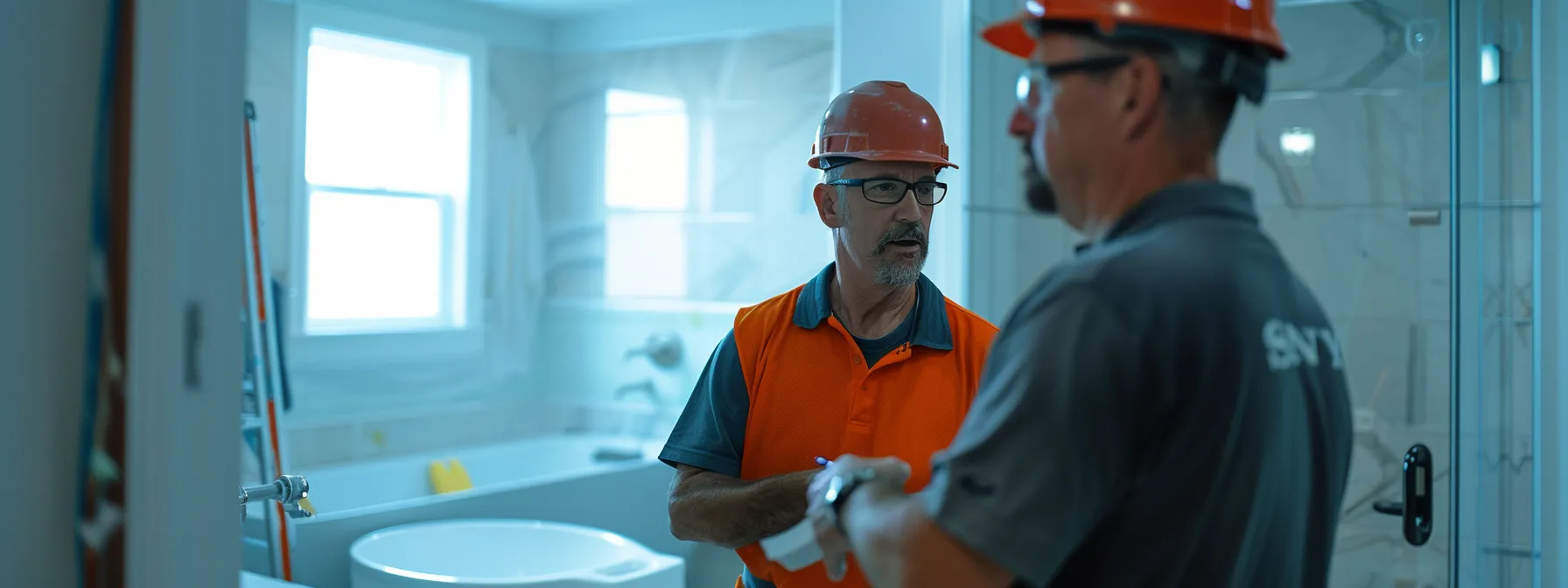
Understanding the nuances of a contractor’s estimate can significantly influence the success of a Bathroom and Kitchen Resurfacing project. Key elements such as material costs, labor charges, and timelines need careful examination. It is essential to distinguish between a quote and a detailed estimate, as the former often lacks comprehensive breakdowns, potentially leading to unexpected expenses. For instance, items like cabinetry, towel racks, and even the electrician’s fees play crucial roles in the overall budget. A thorough tax assessment of these components will better prepare homeowners for the financial commitment associated with their renovation. This knowledge fosters informed decision-making and ensures clarity throughout the remodeling journey. (Reference: Master Builders Association of Victoria)
Elements of a Contractor’s Estimate
Elements of a contractor‘s estimate for bathroom renovations encompass several key facets that impact the project’s overall cost and feasibility. Homeowners should carefully evaluate labor costs, which may vary based on the expertise of subcontractors required for specific tasks. It is beneficial to seek clarity on these costs to ensure they align with financial planning, particularly if utilizing a home equity line of credit to fund the renovation.
Breakdown of material costs
Labor costs and subcontractor fees
Timeline for project completion
Potential hidden costs and allowances
Questions and FAQs for transparency
Difference Between a Quote and a Detailed Estimate
A quote and a detailed estimate represent different levels of precision when assessing bathroom renovation costs. A quote provides a rough idea of expenses without itemization, while a detailed estimate outlines every component, from labor to materials, essential for a successful remodeling project. Homeowners looking to use a renovation loan should prioritize obtaining a detailed estimate to ensure they understand their financial obligations and can accurately evaluate their personal property investments.
Understanding the distinction between a quote and a detailed estimate is foundational for home improvement projects.
A detailed estimate includes specific items, helping homeowners allocate funds appropriately.
Using a checklist can simplify the evaluation of estimates.
Transparency in costs minimizes surprises during the renovation process.
Once armed with a clear understanding of a contractor’s estimate, the next step is to scrutinize the material costs included in the proposal. Evaluating these costs not only impacts the overall budget but also shapes the quality and durability of the final renovation.
How to Evaluate Material Costs in the Contractor’s Estimate
Evaluating material costs within a contractor’s estimate is vital for controlling expenses and ensuring a successful remodeling project. Attention must be given to the costs associated with flooring options, as choice not only impacts aesthetics but also long-term maintenance, particularly in preventing issues like mildew. Additionally, analyzing the price of plumbing fixtures is crucial, as selecting high-quality items can prevent costly repairs down the line and contribute to the overall functionality of the renovated space. By thoroughly examining these aspects, homeowners can make informed decisions that align with their budget and equity plans for the remodel.
Scrutinizing Costs for Flooring
When scrutinizing costs for flooring in bathroomremodeling projects, it is essential for homeowners to carefully consider the type of tile selected, as it significantly impacts both budget and overall aesthetics. Understanding the associated fees for high-quality materials versus more economical options can lead to informed choices that enhance property value. Additionally, clarity regarding possible change orders related to flooring can prevent unwelcome surprises during the renovation process:
Flooring Type
Cost per Square Foot
Durability
Maintenance Fee
Porcelain Tile
$4 – $10
High
Low
Vinyl Plank
$2 – $5
Medium
Medium
Ceramic Tile
$3 – $8
Medium
Low
Natural Stone
$5 – $15
Very High
High
Analyzing Costs for Plumbing Fixtures
Analyzing costs for plumbing fixtures is crucial for homeowners aiming to stay within budget during a bathroomremodel. An accurate assessment requires an understanding of both material and installation expenses, as these can significantly contribute to the overall overhead. Additionally, considering potential tax implications on high-end fixtures can help homeowners avoid unexpected financial burdens reflected in bathroomremodel quotes.
Understanding material costs is just the beginning of dissecting a contractor‘s estimate. Next, let’s uncover how labor costs impact the overall budget and project timeline.
How to Evaluate Labor Costs in the Contractor’s Estimate
Evaluating labor costs in a contractor’s estimate is essential for homeowners embarking on a home renovation project. Skilled labor can greatly influence the quality of the finished product, and understanding the charges associated with different trades can prevent overspending. This becomes particularly relevant when factoring in elements like the ceiling work or plumbing that requires specialized knowledge.
Homeowners should assess whether the labor costs align with industry standards and consider the credits offered by programs such as Fannie Mae that support renovations. Such financial instruments can help ensure a balanced budget and facilitate cash flow management during the renovation process, ultimately contributing to a better return on investment. Budgeting for labor while keeping future propertytax considerations in mind will help mitigate financial strain in the long run.
Engaging in open communication with contractors about labor charges lays the groundwork for a successful project. Transparency in the breakdown of labor costs makes it easier for homeowners to adjust their budgets while maintaining control over the renovation. Understanding how these labor expenses fit into the overall scope of the home renovation is vital, as it significantly impacts the final outcome and value of the property.
With a solid grasp of labor costs, homeowners are now ready to tackle the next critical step. Comparing contractors’ estimates will reveal key differences and help make a well-informed decision.
Comparing Contractor’s Estimates: What to Look For?
When comparing contractor‘s estimates for bathroom renovations, homeowners should focus on the specifics provided in each proposal. Examination of the costs associated with materials, such as tiles and fixtures, is crucial, especially for key elements like the bathtub. Ensuring that the estimates include a warranty on both labor and materials can prevent future expenses and ensure quality workmanship.
Another important aspect is the clarity of timelines in each estimate. It is essential to evaluate whether the proposed timeframes are realistic based on the contractor‘s previous projects and current workload. Understanding the scheduled completion dates can significantly influence the planning of additional work in areas such as the basement or other renovations needed in the home.
Finally, communication with each bathroomremodelingcontractor can shed light on their approach to the project. Homeowners should inquire about how each contractor plans to address potential challenges during the renovation. This dialogue helps to establish trust and ensures that the chosen contractor aligns with the homeowner‘s vision for the bathroom transformation.
Now that the key elements of contractor estimates have been examined, it’s time to refine the decision-making process. By focusing on crucial details, homeowners can confidently navigate the next steps toward their bathroomremodeling projects.
Final Tips for Evaluating a Contractor’s Estimate for Remodeling Bathrooms
Homeowners should prioritize conducting an inspection of the contractor’s previous work to evaluate their capabilities effectively. This step ensures that the chosen professional’s expertise in bathroomremodeling aligns with the desired interior design vision, ultimately enhancing the property‘s market value.
Additionally, analyzing the financial implications is essential. Homeowners should consider how the proposed renovations fit within the context of their mortgage and long-term property goals, ensuring that any investment made contributes positively to the overall value of the home.
Effective communication with the contractor plays a pivotal role in the assessment process. Engaging in discussions about design preferences and project expectations can clarify the contractor‘s approach to the bathroom remodeling project, fostering a collaborative atmosphere that enhances the likelihood of a successful outcome.
With the essential tips in hand, readers are equipped to make informed decisions. It’s time to take the next step and invite contractors to provide their estimates for a stunning bathroomremodel.
Now You’re Ready to Get Estimates for Remodeling a Bathroom
As homeowners prepare to request estimates for a bathroomremodel project, they must pay attention to the specifics of each proposal. A well-defined project scope will help clarify the expected renovation outcomes and guide the decision-making process regarding the selection of the right contractor.
Engaging a contractor who thoroughly understands the nuances of bathroom renovations ensures that the remodeling aligns with the homeowner‘s vision and budget. Additionally, being aware of how the renovations could impact home equity will aid homeowners in making informed financial decisions while considering the overall value of their property.
With a clear understanding of the potential implications for real estate appraisal and the financial benefits that come from a successful renovation, homeowners can approach this process with greater confidence. By focusing on estimates that reflect quality workmanship and realistic timelines, they set the stage for a rewarding bathroomremodel project.
Key Questions for Your BathroomRenovationContractor
When embarking on a bathroom and kitchen resurfacing project, selecting the right contractor is pivotal to ensuring a successful outcome. Understanding key aspects such as experience, costs, and quality control can guide homeowners in making informed decisions. For those looking to renovate their bathroom, reviewing the MBAV website can provide valuable insights into qualified professionals and industry standards. As the renovation journey unfolds, having clear communication and timelines will set expectations and alleviate uncertainties. Keep reading to uncover essential questions to ask your bathroomrenovationcontractor that will pave the way for a smooth remodeling experience.
Key Takeaways
Assessing a contractor‘s experience ensures high-quality bathroom renovations
A strong portfolio demonstrates a contractor‘s creativity and craftsmanship
Clear communication about costs and timelines is essential for successful renovations
Monitoring for unexpected issues helps clients make informed decisions during the remodeling process
Understanding contractor qualifications promotes consistency and quality throughout the renovation project
What Is Your Experience With Bathroom Renovations?
When engaging a general contractor for a bathroom and kitchen resurfacing renovation, assessing their experience is vital. A well-established contractor with years dedicated to bathroom and kitchen resurfacing renovations can provide insights into the specific nuances of such projects. Inquire about the number of years they have specialized in this field, as this can directly influence the quality and execution of the remodel. A robust portfolio of past bathroom projects serves as a testament to their expertise and style, showcasing their ability to work with various elements like countertops and lighting. Furthermore, understanding how a contractor stays current with bathroom design trends can significantly impact the overall aesthetic and functionality of the renovation. This information will also contribute to a clear contract, ultimately guiding the discussion on bathroom remodel cost and expectations.
How Many Years Have You Specialized in Bathroom Renovations?
Experience is a critical factor when selecting bathroom and kitchen resurfacing remodelers. Contractors who have dedicated several years to bathroom renovations bring invaluable knowledge to each project, ensuring they understand both the practical and aesthetic aspects of bathroomremodeling. This expertise not only influences the quality of the remodel but can also help clients navigate the nuances of bathroom remodeling costs effectively.
Years of Experience
Typical Project Characteristics
Benefits
1-3 Years
Basic remodels, standard materials
Cost-effective solutions
4-7 Years
Mid-range projects, customized options
Balanced quality and cost
7+ Years
High-end renovations, tailored designs
Expert craftsmanship and design knowledge
Selecting a contractor with extensive experience in bathroom and kitchen resurfacing can dramatically enhance the success of the renovation process, providing peace of mind that comes from working with seasoned professionals.
Can You Provide a Portfolio of Your Past Bathroom Projects?
Requesting a portfolio of past bathroom and kitchen resurfacing projects from the mbav website allows clients to gauge a contractor’s creativity and craftsmanship. A thorough examination of previous work, particularly those involving bathtubs and complex renovations, offers insight into the contractor’s ability to meet specific aesthetic and functional demands. Additionally, understanding how the contractor structures their free consultation process and down payment requirements can help gauge the overall price and commitment to delivering quality results.
How Do You Stay Up-to-Date With Bathroom Design Trends?
Staying current with bathroom design trends is essential for remodeling contractors to deliver outstanding outcomes. Engaging in industry events, subscribing to design publications, and participating in ongoing education allow them to stay informed about the latest materials, such as ceramic tiles, and innovative techniques to enhance the bathroom remodeling process. By regularly updating their knowledge, contractors can provide valuable insights and suggestions that align with clients’ visions for their remodel, which is often a frequent question in client FAQs.
As individuals reflect on their unique bathroomrenovation journeys, a key question often arises: what about the financial aspect? Let’s dive into the details and break down the renovation costs incurred along the way.
Can You Break Down the Renovation Costs?
Understanding renovation costs is pivotal for clients embarking on remodeling projects, as it establishes transparency and sets clear expectations. Key questions arise regarding the specifics of quotes provided by the remodeling contractor, including what is encompassed and what may be omitted. Additionally, clients should explore how the contractor approaches unexpected costs that may arise during the course of the project. It is equally beneficial to discuss strategies for cost-cutting that do not compromise the quality of finishes, such as fixtures for showers or cabinetry. Lastly, an organized payment schedule should be confirmed to ensure that all financial obligations are clear throughout the renovation process, including confirming the contractor‘s liability insurance to safeguard against potential mishaps.
What Does Your Quote Include and Exclude?
When engaging a bathroom remodeling contractor, it is crucial to obtain clarity on what the quote includes and excludes. This transparency helps homeowners understand exactly what services are being provided, from the installation of fixtures like a bidet to labor costs associated with the project. Additionally, attention should be given to warranties offered by the contractor, as this can influence the long-term satisfaction and peace of mind for those investing in home renovations.
How Do You Handle Unexpected Costs During the Project?
Unexpected costs can arise during a bathroomrenovation, particularly when issues like water damage are uncovered. A reputable contractor addresses these challenges by promptly communicating them to the client and providing potential solutions. For instance, if replacing an old light fixture reveals damaged wiring, the contractor will discuss the extent of the issue and suggest suitable repairs while keeping the project’s budget in mind.
Identification of potential issues during demolition, such as grout deterioration or plumbing weaknesses.
Notification of the client about findings like water damage.
Offering alternative solutions that align with the client’s vision while considering budget constraints.
Ensuring clear communication about the impact of changes on the overall timeline and finances.
Are There Ways to Cut Costs Without Compromising Quality?
Clients seeking cost-effective methods for their bathroomrenovation can explore options that maintain quality without overspending. For instance, selecting durable drywall instead of luxury finishes can keep expenses lower while still ensuring a solid structural foundation. Additionally, sourcing affordable yet stylish alternatives to marble can achieve the desired aesthetic at a fraction of the cost, allowing homeowners to work within their budget while employing a qualified bathroomcontractor with an appropriate license for the project.
After understanding the costs associated with renovations, it’s time to shift focus to another crucial aspect: the timeline. Knowing what to expect can help clients prepare for the transformation ahead.
What Is the Expected Timeline for Completion?
Understanding the expected timeline for a bathroom remodeling project is crucial for clients. This knowledge allows homeowners to plan accordingly, from coordinating their schedules to managing day-to-day activities. When discussing timelines with the remodeling company, a thorough inquiry should be made regarding the start date of the project. It’s also important to address how the contractor will handle potential delays that may arise during the renovation process. Clients should seek assurance that the contractor will take specific steps to minimize disruption, ensuring that essential routines can continue without significant interference. Ultimately, a clear communication channel about these aspects will help in maintaining a comfortable living environment, even as the old towel rack is removed and the new fixtures are installed.
When Can You Start the Renovation Project?
Determining the start date for a bathroomremodel involves clear communication between the homeowner and the contractor. By discussing schedules and availability, a contractor can provide a realistic timeline for the commencement of the bathroomrenovation. Homeowners can benefit from accessing resources like HomeAdvisor to find additional insights on factors such as waterproofing, which can influence the overall progression of the project.
How Do You Manage Delays in the Renovation Process?
Bathroomremodeling companies often encounter unforeseen delays during the renovation process, and managing these disruptions effectively is crucial. Contractors typically employ proactive communication strategies to ensure homeowners remain informed about any hiccups that may alter timelines, offering essential tips to navigate the adjustment period. Furthermore, they should outline how warranties on materials could be impacted by extended project durations, helping clients understand potential implications for items like hot tubs once the work is completed.
Delay Scenario
Management Strategy
Impact on Timeline
Discovery of water damage
Immediate assessment and transparent communication
Extended by several days
Late material delivery
Identify alternative materials promptly
Extended by one week
Unexpected structural issues
Consult with homeowner and develop solutions
Extended by two weeks or more
What Steps Will You Take to Minimize Disruption to My Daily Routine?
A reputable bathroomremodeling company prioritizes minimizing disruption during construction by implementing a clear plan that respects the homeowner’s daily activities. They typically communicate in advance about when replacing fixtures or making changes to the walls will occur, allowing for proper scheduling. This proactive approach helps homeowners manage their routines while ensuring that the home improvement project remains on track.
With a clear timeline in place, the focus now shifts to the critical aspects of quality and compliance. Ensuring that every detail meets the highest standards sets the foundation for a successful renovation.
How Do You Ensure Quality and Compliance?
Quality and compliance are paramount in any bathroomrenovation project. Understanding the materials and brands recommended by the contractor can provide insight into the durability and aesthetics of elements like tiles and sinks. Furthermore, inquiring about how the contractor ensures adherence to local building codes is essential for a safe installation, particularly regarding plumbing and electrical work, where a qualified electrician plays a critical role. Lastly, discussing the warranties or guarantees offered on the workmanship will help clients feel secure in their investment, knowing that they are covered should any issues arise post-renovation.
What Materials and Brands Do You Recommend and Why?
Contractors with a solid reputation often recommend materials and brands that are known for their durability and aesthetics. They typically favor products like porcelain tiles and quartz countertops, which balance beauty and longevity, ensuring that renovations withstand the test of time. Moreover, aligning choices with industry trends enables contractors to provide clients with modern options that enhance the overall luxury and functionality of the bathroom space.
How Do You Ensure the Work Meets Local Building Codes?
The contractor closely adheres to local building codes to ensure that all work meets safety and regulatory standards. This includes conducting thorough consultations with local authorities and staying informed about code updates, allowing for a compliant and secure renovation process. By incorporating practices that meet these regulations, the contractor provides clients with peace of mind regarding the safety and quality of their bathroomremodel.
What Warranties or Guarantees Do You Offer on Your Work?
Contractors prioritize client satisfaction by offering comprehensive warranties or guarantees on their work. These assurances typically cover craftsmanship and the durability of materials used, instilling confidence in the quality of the renovation. By clearly outlining the scope of their warranties, contractors demonstrate their commitment to standing behind their services, ensuring clients feel secure in their investment for years to come.
Ensuring quality and compliance sets the stage for a successful renovation. Now, let’s meet the skilled professionals who will bring your vision to life on-site.
Who Will Be Working Onsite During the Renovation?
Understanding who will be onsite during the bathroomrenovation is essential for ensuring a smooth and efficient process. Clients should inquire whether the contractor utilizes subcontractors or relies on their own dedicated team for the renovation work. This distinction can impact the level of consistency and quality delivered throughout the project. Additionally, it is important to evaluate how the contractor maintains the safety and professionalism of their crew, which directly influences the overall work environment. Finally, knowing whether a supervisor or project manager will be present on-site provides peace of mind, as this role ensures that all aspects of the renovation are executed according to plan, facilitating timely and effective communication between the homeowner and the remodeling team.
Do You Use Subcontractors or Your Own Team?
Inquire whether the contractor employs subcontractors or relies on their in-house team for renovation projects. Using a dedicated team can ensure consistency in quality and streamline communication throughout the renovation process. Conversely, if subcontractors are utilized, it is important to understand their qualifications and experience to maintain project standards.
How Do You Ensure the Safety and Professionalism of Your Crew?
Contractors committed to quality ensure the safety and professionalism of their crew by conducting thorough training and equipping team members with the necessary personal protective equipment (PPE). They establish clear protocols for on-site behavior and maintain open lines of communication to promptly address any concerns. Regular safety meetings and adherence to industry standards further reinforce a culture of accountability and professionalism among the team.
Will There Be a Supervisor or Project Manager Onsite?
Homeowners should confirm the presence of a supervisor or project manager on-site during the renovation process. This role serves as a central point of communication, ensuring that the project runs smoothly and effectively addresses any concerns that arise. Having a dedicated individual overseeing the work enhances accountability and guarantees that the renovation adheres to timelines and quality standards.
With a skilled team ready to transform the space, project details are set into motion. Clear communication will be key in keeping everyone informed and engaged throughout the process.
How Will Communication Be Handled Throughout the Project?
Effective communication is the cornerstone of a successful bathroomrenovation project. Homeowners should inquire about how frequently they can expect updates regarding the progress of their renovation, as regular communication helps manage expectations and keeps the project on track. It is also crucial to establish the best methods for reaching the contractor in case of questions or concerns, ensuring that any issues can be addressed promptly. Additionally, discussing how the contractor handles changes or adjustments to the original plan can provide insights into their flexibility and responsiveness, which are essential traits for navigating the dynamic nature of renovation work.
How Often Can I Expect Updates on the Renovation Progress?
Clear communication regarding project updates serves as a cornerstone for successful bathroom renovations. Homeowners can expect regular check-ins from their contractor, typically on a weekly basis, allowing for transparency and adjustments as needed. This proactive approach ensures that any challenges or changes in the project timeline are addressed promptly, keeping clients informed and engaged throughout the renovation process.
What Is the Best Way to Contact You With Questions or Concerns?
Establishing the best method to reach the contractor for questions or concerns is vital for a smooth renovation experience. Homeowners should discuss preferred communication channels, whether via phone, email, or messaging apps, to ensure that they can quickly address any issues that may arise. This clarity promotes a more effective dialogue, which is essential in managing project expectations and timelines.
Communication Method
Benefits
Typical Response Time
Phone
Immediate feedback and clarity
Within 1 hour
Email
Documented communication
Within 24 hours
Messaging App
Quick responses and convenience
Within 30 minutes
How Do You Handle Changes or Adjustments to the Original Plan?
Change is often an unavoidable aspect of any renovation project, and a skilled contractor should be prepared to address adjustments to the original plan efficiently. Clear procedures for managing these changes will help ensure that both the contractor and homeowner remain aligned throughout the process. Effective communication regarding these adjustments enables clients to make informed decisions without feeling overwhelmed by unexpected shifts in the project scope.
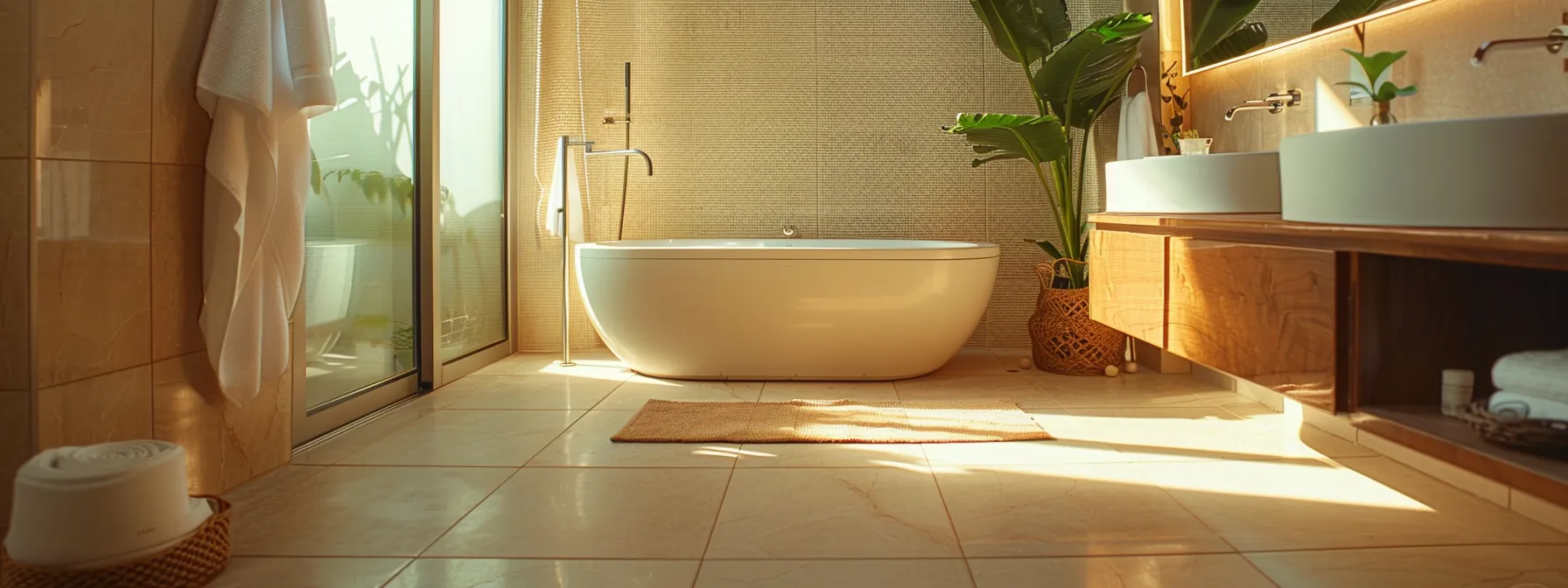
Why Heated Bathroom Floors Are Worth Considering for Your Next Renovation
When considering a renovation that transforms both functionality and comfort, heated bathroom floors emerge as a compelling choice. In partnership with the Master Builders Association Victoria, many homeowners are now exploring innovative solutions like sensor-controlled heated floors in basement areas, ensuring warmth flows throughout the home. Utilizing thinset for installation not only supports a secure fit but also enhances durability. These heated flooring systems offer a range of benefits, from increasing home value to providing energy efficiency and health advantages. Keep reading to uncover why incorporating this feature into your bathroom and kitchen resurfacing project can significantly elevate your space.
Key Takeaways
Heated bathroom floors enhance comfort and improve daily routines
They contribute to energy efficiency and lower utility bills over time
Programmable thermostats allow precise temperature control for personalized comfort
Underfloor heating reduces moisture, improving air quality and health benefits
Installation by professionals ensures optimal performance and durability of the system
The Comfort of Warm Floors on Cold Mornings
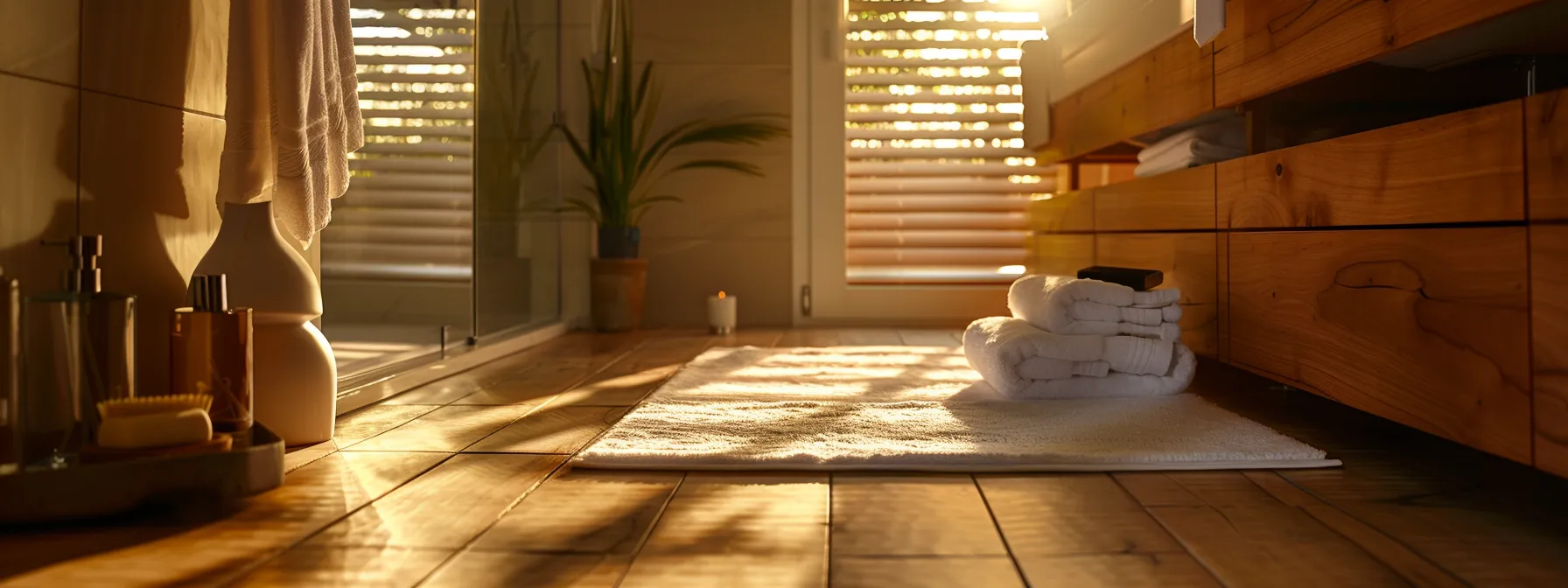
Transitioning to heated bathroom floors offers a significant upgrade, especially during the chilly mornings. The discomfort of stepping onto cold tiles can be completely eliminated with the installation of a bathroom and kitchen resurfacing heated shower floor. Utilizing electric wire mats beneath the surface, these systems provide a gentle warmth that elevates daily routines. Not only do they improve comfort, but they also prevent issues related to mold and moisture build-up, often caused by unheated spaces. Homeowners can cherish the luxury of warm floors while ensuring their bathrooms remain a healthy environment.
Say Goodbye to Cold Tiles
Cold tiles can be a startling experience in the morning, especially after a long night. A thoughtful bathroom remodel with bathroom and kitchen resurfacing can incorporate heated flooring, transforming the way homeowners interact with their space. Such an upgrade not only enhances comfort but also complements other design elements like countertops and ceilings, creating a cohesive aesthetic throughout the construction.
Enhance Morning Routines
Incorporating heated floors can significantly enhance morning routines by creating a warm and welcoming environment. With options available for various surfaces, including luxurious porcelain tile and soft carpet, homeowners can select the perfect flooring that suits their style while benefiting from the added comfort. Installing a thermal insulation membrane not only optimizes warmth but also contributes to energy efficiency, ultimately justifying the price of this worthwhile Master Builders Association Victoria renovation.
Warm floors not only elevate comfort but also enhance the overall appeal of a home. Imagine stepping into a bathroom that radiates both luxury and value, making mornings even more inviting.
Increased Home Value With Heated Bathroom Floors
Heated bathroom floors not only enhance comfort but also significantly increase the appeal of a home for potential buyers. A bathroom featuring this luxurious touch can turn heads, making it stand out in a competitive market. With a focus on high-quality materials such as ceramic tiles, homeowners can create a stylish and functional space. Additionally, proper waterproofing measures ensure longevity and prevent moisture issues, further appealing to discerning buyers who prioritize maintenance and durability. Investing in heated flooring can transform an ordinary bathroom into an inviting retreat, elevating the entire home experience, which is often a discussion point in common FAQ about renovations and upgrades.
Attract Potential Buyers
Heated bathroom floors serve as an attractive feature that can significantly influence a buyer’s decision. Architects often highlight the advantages of these systems, which utilize efficient heat transfer mechanisms to maintain a comfortable temperature throughout the room. By integrating a heating pump within this design, homeowners can present a modern, luxurious space that appeals to discerning buyers seeking comfort and innovation.
A Luxurious Touch to Bathrooms
Incorporating electric heated floors into a bathroomrenovation adds a luxurious touch that elevates the overall aesthetic and functionality of the space. With underfloor heating systems, homeowners can enjoy comfort and warmth at their fingertips through a programmable thermostat, allowing precise control of temperature settings. These systems often come in various wattage options, catering to individual preferences and ensuring a cozy experience that transforms daily routines into indulgent moments.
Heated bathroom floors don’t just enhance comfort; they also contribute to a savvy investment that pays off in energy efficiency. Discover how these innovative systems can reduce your energy bills while keeping your space cozy and inviting.
Energy Efficiency and Cost Savings
Heated bathroom floors not only provide luxurious comfort but also contribute to energy efficiency and cost savings. By utilizing bathroom radiant floor heat, homeowners can significantly reduce their reliance on central heating systems, particularly in smaller spaces like bathrooms. This shift minimizes energy consumption, leading to lower energy bills over time. With the integration of a smart thermostat, users can effectively manage their heating preferences, optimizing energy use based on personal routines. Whether using materials like wood for a warm aesthetic or elegant marble for a sophisticated touch, heated floors can be an economically savvy choice that combines style with sustainability.
Reduced Need for Central Heating
A notable benefit of heated bathroom floors is their ability to reduce the reliance on a central heating system. By strategically placing warm up heated floors, homeowners can maintain comfortable temperatures without overutilizing their boiler or heating system. This is particularly effective in spaces like basements or bathrooms, where the use of wood flooring contributes to warmth while minimizing overall heating demands throughout the home, including the roof area.
Heated floors maintain comfortable temperatures
Decrease dependence on boilers
Optimize energy efficiency in bathrooms and basements
Utilize wood flooring for enhanced warmth
How Heated Floors Can Lower Energy Bills
Installing heated floors in a bathroom can lead to significant reductions in energy bills due to their efficient design. By utilizing low voltage heating elements, these systems operate effectively while consuming less energy compared to traditional heating methods like radiators. Hiring a qualified electrical contractor ensures the installation is executed correctly, optimizing the performance of the heated floors and maximizing energy savings for homeowners.
As homeowners seek to enhance energy efficiency and reduce costs, they often overlook another crucial aspect of bathroom comfort. Transitioning to heated floors not only transforms the space but also brings significant health benefits that elevate the overall experience.
Health Benefits of Heated Bathroom Floors
The implementation of electric underfloor heating in bathroom renovations yields numerous health advantages that extend beyond mere comfort. One notable benefit is the improvement in air quality; by minimizing the presence of mildew typically associated with cold, damp environments, homeowners can create a healthier space. This becomes crucial for individuals suffering from respiratory issues or allergies, as the warm floor reduces moisture levels that often breed allergens. Additionally, the gentle warmth can provide relief for arthritis sufferers, alleviating discomfort and stiffness in the joints. Whether opting for elegant porcelain tiles or other materials, the choice to install heated floors not only enhances the aesthetic appeal of the bathroom but also supports a healthier living environment, making it a worthwhile consideration despite the cost to install heated floors.
Improved Air Quality
Heated bathroom floors contribute to improved air quality by reducing the presence of moisture that often fosters mildew and allergens. During the manufacturing process of these systems, care is taken to ensure that the materials used, be it concrete or other substrates, do not promote dampness. Engaging a qualified electrician for installation enhances the effectiveness of this home improvement, making it an essential consideration during any renovation project aimed at creating a healthier living space.
Benefits for Arthritis and Allergy Sufferers
Heated bathroom floors can provide significant relief for individuals suffering from arthritis and allergies. The gentle warmth emitted from underfloor heating helps alleviate joint stiffness, promoting comfort and mobility in the mornings. Additionally, maintaining a warm environment reduces moisture, preventing the growth of allergens and creating a healthier space around key areas, such as the sink and cabinetry, thereby enhancing overall well-being.
Beyond the comforting warmth, heated bathroom floors offer a chance for personalized comfort. Discover how customization and control can transform your bathing experience into a true sanctuary.
Customization and Control of Bathroom Heating
Customizing the heating options for a bathroom can significantly enhance its functionality and efficiency. Zone heating allows homeowners to target specific areas, ensuring a heated bath floor maintains comfort where it matters most. By integrating a programmable thermostat, users can effortlessly manage their heating preferences based on daily routines, contributing to energy savings. This technology can also optimize power use, particularly in relation to the voltage requirements of infrared heaters. Such tailored solutions address moisture concerns while maximizing the benefits of the cost of heated floors, providing an ideal combination of comfort and practicality in any bathroomrenovation.
Zone Heating Options
Zone heating options in heated bathrooms offer tailored comfort that adapts to the unique needs of each user. By strategically implementing thermal radiation through focused heating areas, homeowners can enjoy warmth exactly where required, such as near the shower or bath. This approach optimizes energy efficiency while enhancing the overall experience of a bathroomrenovation, particularly when combined with hardwood flooring for its natural aesthetic appeal.
Targeted warmth for specific areas enhances comfort.
Efficient energy usage maximizes performance.
Combining zone heating with hardwood adds elegance.
Programmable thermostats offer significant advantages when managing electric heating for heated floors in a bathroom. Homeowners can set specific temperatures for different times of the day, ensuring that the warmth provided by the heated floors is utilized efficiently according to their routines. By incorporating this level of control, individuals can enjoy comfort without the unnecessary costs associated with constant heating, making the investment to install heated floors a practical choice in relation to overall bathroomrenovation expenses, including grout and other finishing materials.
A well-designed heated flooring system not only adds comfort but also requires careful consideration of its longevity. Understanding durability and maintenance will ensure homeowners can enjoy their luxurious space for years to come.
Durability and Maintenance of Heated Flooring Systems
Heated flooring systems stand out not only for their comfort but also for their impressive durability and low maintenance demands. Homeowners can expect a long lifespan from underfloor heating solutions, making them a wise investment for any renovation. With proper installation, these systems can efficiently withstand various climates, ensuring consistent performance year-round. Furthermore, maintenance requirements are minimal; regular cleaning and occasional checks for any wear and tear are often sufficient. This ease of upkeep allows homeowners to focus more on enjoying the luxury of warm floors and less on extensive maintenance routines, complimented by the convenience of having warm towels readily available in a cozy, inviting bathroom atmosphere.
Long Lifespan of Underfloor Heating
The long lifespan of underfloor heating systems makes them a valuable addition to any bathroomrenovation. Designed with quality materials and advanced technology, these systems typically endure for many years without significant degradation. Homeowners can rely on the durability of heated flooring to provide consistent warmth and comfort, enhancing the overall bathroom experience while minimizing the need for frequent repairs or replacements.
Minimal Maintenance Requirements
The maintenance of heated bathroom flooring is straightforward and hassle-free, making it an appealing choice for homeowners. With minimal upkeep required, regular cleaning and periodic inspections are typically sufficient to ensure optimal performance. This simplicity provides homeowners with peace of mind, allowing them to focus on enjoying the comfort of their warm floors without the burden of complex maintenance tasks.
Selecting the Right Local BathroomRenovation Specialists
Renovating a bathroom is a significant investment that requires careful consideration. For those in Melbourne looking to enhance their spaces, focusing on reliable bathroom and kitchen resurfacing services is essential. By choosing experienced bathroom remodel companies that are recognized by Master Builders Australia, homeowners can ensure quality workmanship in their projects, especially when it comes to details like tile installation and finishes. The selection process involves identifying an excellent bathroom remodeling service that aligns with unique design preferences and functional needs. Keep reading to discover key steps that will help in selecting the right local bathroomrenovation specialists who can turn visions into reality.
Key Takeaways
Create a detailed plan that includes style, layout, budget, and timeline for renovations
Research and choose qualified bathroom remodeling contractors with proven expertise and positive reviews
Maintain clear communication with contractors to ensure a smooth renovation process and satisfactory results
Conduct site visits to assess contractors’ workmanship and discuss specific renovation ideas directly
Request written estimates from multiple contractors to understand costs and project expectations better
1. Start With a Clear Plan
Creating a successful bathroom and kitchen resurfacing makeover begins with a well-defined plan. Clients should consider their desired style, layout, Master Builders Australia, and the materials they wish to use, such as elegant marble for an upscale touch. By approaching professionals skilled in bathroom and kitchen resurfacing remodeling, customers can outline their specific needs and functionality requirements.
A clear plan must also encompass budget considerations and timelines. This ensures that all parties involved have realistic expectations throughout the renovation process. Engaging with local kitchen remodeling experts can further enhance the overall design flow between spaces, allowing for cohesive aesthetics and practical usage.
Once the initial groundwork is laid, clients can confidently communicate their vision to selected specialists. By doing so, they facilitate a smooth collaboration that leads to the successful execution of their renovation project. From concept to completion, a structured plan strengthens the partnership between the customer and the renovation team.
Identify desired style and materials
Set a budget and timeline
Communicate vision clearly
With a solid plan in hand, the next step is to assemble a skilled team that can bring your vision to life. Selecting the right bathroom remodeling contractors is crucial for turning those detailed ideas into a stunning reality.
2. Find Excellent Bathroom Remodeling Contractors
Finding qualified bathroom remodeling contractors is essential for a successful renovation project. Clients should seek professionals who specialize in various aspects of bathroomconstruction, including experienced bathroom remodelers who understand the intricacies of design and functionality. Additionally, hiring a skilled electrician is crucial for safe installations and modifications, particularly regarding lighting and electrical systems.
Clients should conduct thorough research to identify reputable bathroom remodelers in their area. Reading customer reviews and seeking recommendations can help narrow down choices, ensuring that the selected professionals have a proven track record. A reliable contractor will also collaborate with clients to select the right materials, such as stylish countertops and durable sinks that align with the overall design vision.
Identifying skilled bathroom remodeling contractors sets a strong foundation for your project. Now, it’s time to connect with them directly and evaluate their expertise through engaging phone interviews.
3. Conduct Phone Interviews
When selecting local bathroom remodeling specialists, conducting phone interviews serves as a crucial step in the hiring process. This conversation allows clients to assess the qualifications and expertise of various bathroom remodelers effectively. Essential questions should focus on the contractor’s experience with cabinetry, knowledge of wall materials, and overall project management approach. Moreover, inquiring about their email address aids in establishing a seamless line of communication for sharing project details and updates. Engaging in these discussions ensures clients can make well-informed decisions aligned with their renovation goals.
Questions You Should Ask a Bathroom Remodeling Contractor
Inquiring about the general contractor‘s experience with bathroom remodeling is vital for ensuring they are well-versed in the latest design trends and techniques. Clients should ask about the brands of materials they prefer, particularly if they have experience working with recognized products like Bath Fitter, known for their quality and durability. Additionally, discussing the contractor’s approach to project management can provide insight into their ability to coordinate the various aspects of the renovation effectively.
After conducting thorough phone interviews, it’s time to narrow the field. The next step involves carefully vetting the top prospects to ensure they align with your vision and standards.
4. Vet Your Top Prospects
Vetting top prospects for a bathroom remodeling contractor involves asking insightful questions to assess their suitability for a bathroom remodeling project. This process not only helps in understanding their knowledge of best practices but also offers a glimpse into their experience with essential elements such as lighting and materials. By seeking references from a reputable bathroomremodeling company, clients can gauge the contractor’s reliability and problem-solving skills. Engaging in this dialogue provides clarity on how well the contractor aligns with the specific needs of the renovation, ensuring an informed decision-making process.
Questions You Should Ask Contractor References
Clients should inquire about the experiences of past clients when reaching out to references for bathroom remodeling contractors. Understanding the quality of work provided by a remodeling company can highlight their ability to handle a complete bathroom remodel while ensuring satisfaction with the interior design elements. Questions related to project timelines, communication, and overall outcomes will provide valuable insights into the contractor’s professionalism and effectiveness, particularly for those located in Minneapolis.
Finding the right professionals sets the stage for success. Now, it’s time to take the next step and see how each candidate performs in real-world conditions.
5. Conduct Thorough Site Visits
Conducting thorough site visits is an essential step in selecting local bathroomrenovation specialists. During these visits, potential clients can evaluate each contractor’s work quality and craftsmanship, observing completed projects for structural integrity and aesthetic appeal. This hands-on approach allows clients to consider how features such as bathtubs and tiles resonate within the room‘s overall design.
A site visit also provides an opportunity to discuss specific renovation ideas directly with contractors. Clients can inquire about the feasibility of their desired bathroom remodel and explore options that enhance functionality while adhering to their vision. Understanding the practical aspects of the space will help clients gauge the potential return on investment concerning the renovations initiated.
Lastly, engaging with contractors in the contexts of their completed projects can shed light on their communication style and attention to detail. Observing how a contractor collaborates with their team during the renovation process reinforces the importance of teamwork in executing a successful bathroom remodel. This insight plays a vital role in determining not just immediate visual results, but also the long-term durability and satisfaction of the finished bathroom space.
Effective site visits lay the foundation for understanding project needs. Now, it’s time to turn those insights into actionable plans by obtaining written estimates.
6. Get Estimates in Writing
Getting written estimates is a crucial step in the process of hiring local bathroomrenovation specialists. It provides clarity on the costs associated with the project and ensures that the homeowner has a clear understanding of what to expect. This written documentation can also serve as a point of reference should any disputes arise during the renovation.
Homeowners should seek estimates from multiple contractors to gauge fair pricing for the home improvement project. Utilizing platforms like HomeAdvisor and consulting the Better Business Bureau can lead to finding reputable contractors who prioritize transparency and professionalism. This approach not only aids in obtaining competitive bids but also allows homeowners to assess the overall quality of potential contractors.
Attention to detail in written estimates highlights the contractor’s commitment to the project. Estimates should clearly outline labor, materials, and timelines involved in the renovation, ensuring all aspects of the job are addressed. By focusing on these elements, homeowners can make informed decisions that align with their vision for a beautifully remodeled bathroom:
Request written estimates from multiple contractors.
Utilize platforms like HomeAdvisor and the Better Business Bureau for reliable options.
Examine details such as labor, materials, and timelines carefully.
Selecting Safe and Stylish Non-Slip Flooring for Your Bathroom
Selecting the right flooring for a bathroom is crucial, particularly when considering the challenges posed by moisture. Bathroom and Kitchen Resurfacing projects often emphasize the importance of safety alongside style, and non-slip options provide an effective solution. Utilizing durable materials, like porcelain tile, enables homeowners to achieve a visually appealing space while maintaining safety standards supported by industry guidelines from Master Builders Australia. Choosing non-slip flooring significantly enhances comfort and security in the bathroom, making it an essential consideration for any renovation. Keep reading to uncover practical ideas and detailed information about selecting the best non-slip flooring options for your bathroom.
Key Takeaways
Selecting non-slip flooring enhances both safety and aesthetic appeal in bathroom renovations
Textured tiles, ceramic, and porcelain provide excellent slip resistance for wet areas
Proper installation and material selection are crucial for maximizing safety and style
Natural stone options like slate and granite can enhance grip while maintaining elegance
Adding anti-slip treatments and accessories further improves safety in bathroom environments
Non-SlipBathroom Flooring Ideas
When considering non-slip bathroom flooring, a myriad of material options exists that cater to both safety and style. From textured tiles that mimic the look of natural brick to elegant wood finishes that bring warmth, each choice offers unique benefits. The strategic use of textures can significantly enhance grip, reducing the chance of slips, especially when surfaces become wet from soap or water. Additionally, the Bathroom and Kitchen Resurfacing color and pattern can serve a dual purpose: enhancing the overall aesthetic while providing visibility elements that promote safety. By carefully selecting flooring that complements other features, such as countertops, homeowners can harmonize their spaces while prioritizing functionality. Master Builders Australia
Exploring Various Material Options
When choosing non-slip flooring for a bathroom, several materials stand out for their safety and aesthetic appeal. For instance, linoleum provides a budget-friendly option that sports a naturally textured surface, reducing the risk of slips when transitioning from the bathtub to the rest of the bathroom. Furthermore, homeowners can enhance their bathtub area by applying anti-slip tape for bathtubs, offering an additional layer of safety without compromising the space’s overall style.
Benefits of Textured Surfaces
Textured surfaces in bathroom flooring deliver enhanced safety while also allowing for design flexibility. For instance, ceramic tiles with various surface finishes can significantly improve traction, minimizing slip risks even when flooring is wet from showers or spills. Additionally, applying a non-slipcoating can protect these surfaces from stains while further enhancing their grip, making them an excellent choice for homeowners focused on both safety and aesthetics.
Textured surfaces provide better grip to prevent slips.
Ceramic tiles with varied finishes add decorative appeal.
Non-slip coatings enhance safety and protect against stains.
Mats for shower floors can complement textured options.
Consideration of all these factors is vital during renovation.
Color and Pattern Choices for Safety and Style
Choosing the right color and pattern enhances both safety and aesthetic appeal in bathroom flooring. A strategic combination of hues can make anti slip for shower floor solutions stand out while also complementing the overall décor. Brands often offer patterned tiles that provide visual interest alongside functionality, and incorporating a suitable underlay can improve safety and comfort beneathfoot.
Select colors that enhance visibility and safety.
Patterns can add decorative elements without sacrificing function.
Consider anti-slip treatments for added security in the shower area.
Opt for underlay options that improve comfort and grip.
Research on Houzz for innovative flooring ideas that blend style with safety.
As homeowners consider their options for bathroom renovations, the safety and functionality of flooring cannot be overlooked. Understanding the benefits of non-slipbathroom flooring can elevate both aesthetics and peace of mind in any space.
Why Choose Non-SlipBathroom Flooring?
Non-slipbathroom flooring plays a crucial role in maintaining safety, particularly in wet areas where slips and falls are prevalent. Selecting flooring that incorporates features such as non skid for shower floor solutions can greatly reduce the risk of accidents while enhancing the overall aesthetic appeal of the space. Options like mosaic tiles or rubber mats for showers not only offer practical grip but also contribute to a stylish environment. Additionally, alternative materials such as concrete can be expertly designed to provide a sleek look that harmonizes with the room’s décor while ensuring safety is never compromised. Prioritizing both form and function creates a welcoming atmosphere that supports everyday use without worrying about potential hazards.
The Importance of Safety in Wet Areas
In wet areas, such as bathrooms, the need for safety surfaces cannot be overstated. Flooring materials that offer showerfloor grip are essential to prevent slips, particularly in spaces where water and oil may accumulate. Additionally, utilizing rubber backed bath mats not only enhances interior design but also provides extra traction, reducing the risk of falls, especially near stairs where accidents can be more severe.
Enhancing Aesthetic Appeal Without Compromising on Safety
Selecting bathroom anti-slipfloor tiles that blend safety and style is essential for any renovation project. Engineered wood offers a warm aesthetic, while also providing a durable surface that can withstand water damage. Pairing these tiles with non-skid bathroomfloor mats further enhances safety, ensuring that the space remains both functional and visually appealing.
Exploring the benefits of non-slipbathroom flooring opens the door to a safer and more stylish space. Now, let’s uncover the types of tiles that provide traction and peace of mind even in the wettest conditions.
What Kind of Tile Is Not Slippery When Wet?
When selecting non-slip tiles for a bathroom, understanding the differences between ceramic and porcelain options is key to enhancing safety. While both types offer various finishes that can provide traction, their durability and moisture resistance vary. Evaluating stone tiles such as marble and granite also plays a significant role, as their natural textures can contribute to slip resistance. Furthermore, while wood flooring adds warmth to bathroom aesthetics, it often requires special adhesives and treatments to ensure safety in wet environments. Considering these materials helps homeowners make informed decisions that balance style with essential safety features.
Ceramic vs. Porcelain Tiles for Slip Resistance
Ceramic and porcelain tiles provide effective options for non-slip flooring, particularly in wet areas like bathrooms. Ceramic tiles generally have a rougher texture, allowing for better friction when wet, while porcelain tiles are denser and also resist moisture effectively. Homeowners can further enhance safety by complementing these tiles with rubber bathtub mats, which add an extra layer of protection without detracting from the beauty of the space.
Tile Type
Moisture Resistance
Friction Level
Recommended Accessories
Ceramic
Moderate
High
Rubber bathtub mats
Porcelain
High
Moderate to High
Sheet vinyl flooring
Additionally, applying an epoxycoating to either tile type can boost slip resistance while prolonging the life of the floor. This approach not only maintains the flooring’s aesthetic appeal but also addresses safety concerns effectively. Selecting the right floor coverings and accessories serves to support a stylish and functional bathroom environment.
Evaluating Stone Tiles for Bathroom Safety
When selecting stone tiles for bathroom flooring, considerations of safety and hygiene are paramount. Slate tiles, known for their natural slip resistance, offer not only a stylish option but also a surface that resists mold growth, enhancing overall hygiene in wet environments. In contrast, while porcelain tiles can also provide functionality, their smooth surfaces may require additional treatments to improve grip, making it essential for homeowners to evaluate their choices fully before installation.
Choosing the right tile can significantly enhance safety in wet areas, but why stop at just that? Upgrade your space by investing in a virtually indestructible floor that combines style and durability for lasting peace of mind.
Invest in a Virtually Indestructible Floor
Investing in a virtually indestructible floor is crucial for maintaining both safety and aesthetic appeal in bathrooms. Homeowners can choose from a variety of resilient materials, each offering unique characteristics that cater to durability and slip resistance. Cork stands out for its ability to absorb impact and provide a soft underfoot experience, while hardwood exudes elegance and warmth. On the other hand, laminate flooring offers a budget-friendly option that mimics the appearance of wood, making it suitable for various spaces, including dining rooms. Evaluating these materials helps homeowners achieve a surface that withstands daily use and significantly reduces the risk of slip and fall incidents, thereby enhancing overall safety in wet environments.
Materials That Stand the Test of Time
Bamboo flooring is becoming a popular choice for bathrooms due to its inherent moisture resistance and environmental benefits. This material not only withstands daily wear and tear but also minimizes the risk of mold growth when properly sealed. Additionally, using tile with a robust grout can enhance longevity while offering aesthetic appeal, ensuring the flooring remains functional even in high-traffic wet areas.
Bamboo provides moisture resistance and eco-friendliness.
Tile with strong grout enhances durability and aesthetics.
Choosing the right materials reduces the risk of slips and falls.
Comparing Durability and Slip Resistance
When evaluating flooring options, it is essential to balance durability with slip resistance, especially in a bathroom setting. Materials such as vinyl and rubber offer robust resistance against wear while maintaining a textured surface to reduce slip hazards. While natural stone provides an appealing aesthetic, ensuring it meets slip-resistant standards is crucial to maintain safety in wet conditions.
Material Type
Durability Level
Slip Resistance
Ideal Usage
Vinyl
High
Good
Residential and Commercial
Rubber
Very High
Excellent
Fitness Areas and Showers
Natural Stone
Moderate to High
Variable
Residential
Selecting the right flooring involves a thoughtful assessment of these factors, as the goal is to create a safe yet visually appealing environment that can withstand daily use.
A virtually indestructible floor offers unmatched durability, but it’s essential to consider safety as well. Selecting a non-slipporcelain option elevates both style and security, ensuring a beautiful yet safe environment.
Choose a Non-SlipPorcelain Option
Porcelain flooring emerges as an optimal choice for bathrooms due to its combination of exceptional durability and inherent slip resistance. Recognized for its dense, non-porous surface, porcelain effectively withstands moisture and is less prone to staining, making it ideal for wet environments. The installation process plays a crucial role in enhancing both safety and aesthetics; strategic pattern placement and an appropriate grout choice can maximize traction while creating a visually appealing layout. By selecting porcelain, homeowners invest in a stylish solution that ensures a safe bathroom experience.
Why Porcelain Tops the List for Bathrooms
Porcelain flooring stands out as a prime selection for bathrooms, primarily due to its exceptional durability and water resistance. This type of tile not only withstands moisture but also resists staining, making it well-suited for the demanding environment of a bathroom. Additionally, porcelain tiles come in various textures and finishes, allowing homeowners to achieve a safe yet stylish look that enhances the overall design of the space.
Consider the following benefits of choosing porcelain for your bathroom flooring:
Outstanding water resistance that minimizes damage risk.
Varied textures enhance slip resistance while maintaining elegance.
Proper installation of non-slipporcelain flooring is vital for achieving optimal safety and visual appeal in bathrooms. Professional installers ensure that tiles are laid with precise alignment and appropriate adhesive, maximizing both grip and stability. By carefully selecting grout colors and finishes, homeowners can enhance the flooring’s aesthetic while maintaining its slip-resistant qualities, creating a harmonious connection between safety and style.
After selecting a non-slipporcelain option, homeowners can elevate their space further with a stunning and robust stone choice. This shift not only enhances aesthetics but also promises lasting durability that stands the test of time.
Go for a Durable Stone
Natural stone flooring presents an appealing option for bathroom environments, balancing aesthetic charm with functional benefits. Understanding the advantages and disadvantages of natural stone in wet areas is essential for homeowners looking to enhance safety while maintaining style. Certain stones, such as slate and textured granite, offer superior grip and slip resistance, making them ideal for bathrooms. Conversely, some natural stones may require additional treatments to improve traction in wet conditions. Evaluating the best stone choices for non-slip properties ensures that homeowners achieve a safe and visually appealing space that stands up to the demands of daily use.
Pros and Cons of Natural Stone in Wet Environments
Natural stone flooring offers a unique blend of elegance and functionality, yet its use in wet environments comes with careful considerations. While stones like slate and textured granite provide excellent slip resistance due to their natural grip, others may require additional treatments to enhance safety in moisture-prone areas. Homeowners must weigh these factors against the aesthetic appeal and durability that natural stone can bring to their bathrooms, ensuring a balance between style and safety.
Best Stone Choices for Non-Slip Properties
Homeowners seeking reliable non-slip stone options for their bathrooms can consider materials such as slate, textured granite, and quartzite. These stones not only provide natural resistance to slips but also add aesthetic appeal and elegance to the space. Proper selection and treatment of these stones ensure durability and safety in high-moisture environments.