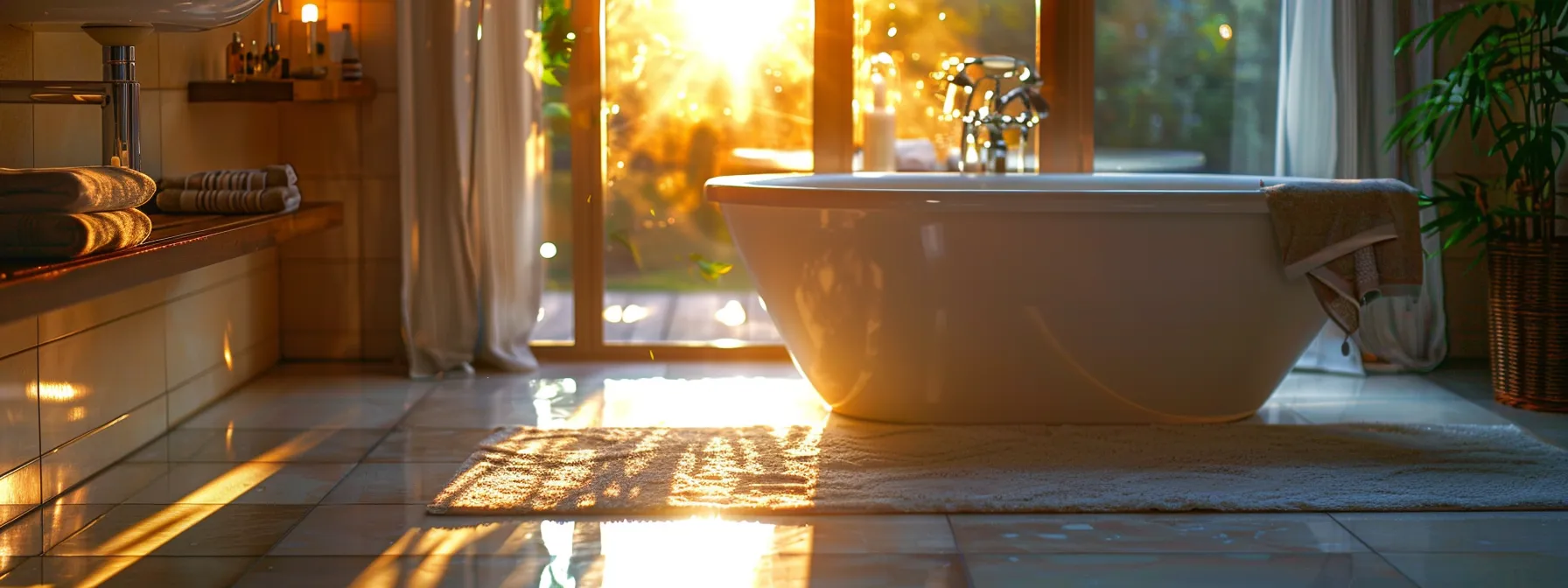
Choosing Your Ideal Bathroom Resurfacing Materials
When considering bathroom and kitchen resurfacing, selecting the right materials is vital for achieving a stunning end result. Quality bathroom remodeling materials not only enhance the space but also ensure durability and a long-lasting finish. Backed by a warranty supported by the Master Builders Association of Victoria, you can enjoy peace of mind knowing your choice protects against potential hazards. Navigating through the myriad options available can be challenging, but understanding each material’s qualities will lead you to the best decision for your renovation. Keep reading to explore the essential factors that influence your choice, from durability to aesthetic appeal, and empower your journey toward the perfect bathroom transformation.
Key Takeaways
select resurfacing materials based on durability, water resistance, and aesthetic appeal
consider environmental impact when choosing resurfacing options for your bathroomrenovation
prioritize non-toxic materials to ensure a safe living environment for your family
assess installation requirements and timeframes for each material before beginning your project
budget for long-term maintenance costs to protect your renovation investment
Evaluating Durability and Longevity of Resurfacing Materials
Understanding the durability and longevity of resurfacing materials is crucial when selecting the right options for your bathroom and kitchen resurfacing. You’ll analyze the lifespan of popular materials like cast iron, ensuring they can withstand years of use while maintaining their aesthetic appeal. Consider how factors such as water and humidity can impact these surfaces, especially for your walls and floors, which are often exposed to moisture. Additionally, you should evaluate each material’s resistance to scratches and stains, helping you choose options that can endure everyday wear and tear without succumbing to dust or damage. Making informed decisions in these areas will ensure your renovation stands the test of time.
Analyze the Lifespan of Popular Materials
When choosing bathroom and kitchen resurfacing materials, it’s vital to understand their lifespan and suitability for your property. For example, marble offers a luxurious appearance, yet its maintenance requirements can deter some customers. By evaluating its durability alongside materials that may require a stripper for upkeep, you’ll identify the best long-lasting options tailored to your needs, particularly if you plan to install features like grab bars in your renovated bathroom.
Consider the Impact of Water and Humidity
When remodeling your bathroom and kitchen resurfacing, it’s essential to consider how water and humidity affect your resurfacing materials. High moisture levels can lead to unpleasant odors and encourage mold growth if the materials you choose are not moisture-resistant. Napcopolymer products are designed to withstand damp conditions, making them a smart choice in areas frequently exposed to water, especially in various zip codes with higher humidity levels.
Material
Water Resistance
Mold Resistance
Odor Prevention
Napco Polymer
High
High
Effective
Natural Stone
Moderate
Low
Varies
Vinyl
High
Moderate
Good
Materials’ Resistance to Scratches and Stains
When selecting bathroom and kitchen resurfacing materials for your bathroom remodeling project, pay close attention to how well each option resists scratches and stains Master Builders Association of Victoria. A durable coating can significantly enhance the longevity of surfaces like bathtubs and countertops, ensuring they retain their aesthetic appeal over time. Moreover, consider the grout used in your design, as a stain-resistant material can simplify maintenance and keep your space looking fresh and clean.
Choosing the right resurfacing material impacts not only your project’s durability but also its visual charm. Let’s transition from durability to the vibrant aesthetic possibilities that each material offers.
Understanding the Aesthetic Appeal of Various Materials
Selecting the right resurfacing materials for your bathroom requires careful consideration of both aesthetics and functionality. Start by matching materials to your bathroom’s unique style, ensuring they contribute to a cohesive look. The role of color and texture cannot be underestimated, as these elements serve to enhance the overall atmosphere of the space, striking a balance between visual appeal and practicality. Staying informed about current trends in bathroom resurfacing materials is also essential; for example, poly materials are increasingly popular due to their durability and resistance to mildew, making them ideal for moisture-prone areas like showers. An informed approach will help you avoid issues such as water damage while ensuring your bathroom remains stylish and inviting.
Matching Materials to Your Bathroom’s Style
As you embark on your remodel, consider how ceramic and porcelain materials can elevate your bathroom‘s style while providing essential safety features. These materials are not only visually appealing but also offer slip-resistant options that enhance safety, especially in wet areas. By harmonizing these elements, you create a cohesive and stylish environment that reflects your personal taste.
The Role of Color and Texture in Material Selection
In your bathroomrenovation, selecting materials with the right color and texture significantly influences both the aesthetics and the overall atmosphere of the space. Consider how hues can affect your mood and mental health; soothing tones may foster relaxation, while vibrant shades can energize the environment. Additionally, opt for materials that emit low levels of volatile organic compounds (VOCs), ensuring your space remains safe and pleasant, especially if paint strippers or iron finishes are involved in your design process.
Trends in Bathroom Resurfacing Materials
Current trends in bathroom resurfacing materials focus on combining functionality with style, making accessibility a priority for all homeowners. Fiberglass has emerged as a popular choice due to its lightweight nature and ability to resist stains, offering a practical solution that minimizes potential headaches during installation. Materials that can be easily modified, like those that can be cut with a chisel, facilitate custom adaptations around fixtures such as sinks, ensuring a perfect fit for your unique space.
Material
Accessibility Features
Maintenance
Installation Challenges
Fiberglass
High
Low
Minimal
Porcelain
Moderate
Medium
Moderate
Natural Stone
Low
High
Significant
As you explore the striking beauty of materials, it’s time to weigh their value in your renovation journey. Let’s dive into the costs associated with various resurfacing options, helping you make an informed decision that balances aesthetics and budget.
Comparing Costs of Different Bathroom Resurfacing Options
When selecting the right resurfacing materials for your bathroom, understanding costs is vital. Begin by breaking down upfront material costs, comparing options like epoxy and polyurethane, each boasting distinct benefits in both price and durability. As you assess your choices, factor in long-term value, including maintenance and potential replacement costs, ensuring you make an informed decision that balances beauty and practicality. As you set a budget for your bathroomrenovation project, consider the brand reputation and associated warranties to safeguard your investment. Making educated choices now leads to a stunning and lasting space that meets your needs for years to come.
Breakdown of Upfront Material Costs
As you explore your options for bathroom resurfacing, getting a clear picture of upfront material costs will help you avoid any financial pitfalls. When considering projects like tile refinishing or bathtub refinishing, it’s essential to weigh both the price and quality of materials to ensure your choices align with your desired outcomes. Be mindful of the risk associated with cheaper alternatives, as lower quality can lead to more long-term expenses, ultimately impacting the entire room‘s aesthetic.
Material Type
Average Cost per Square Foot
Durability Rating
Typical Maintenance Cost
Tile Refinishing
$4 – $8
High
$50 – $100/year
Bathtub Refinishing
$300 – $800
Moderate
$30 – $60/year
Vinyl Flooring
$2 – $5
Moderate
$25 – $50/year
Long-Term Value: Maintenance and Replacement Costs
When you embark on bathroom resurfacing, keep an eye on long-term value to ensure your investment pays off over time. The cost of maintenance and potential replacement gives important insights into the overall performance of materials like resin and traditional options. For instance, regular upkeep of fixtures may be necessary with bathtub reglazing, influencing both your budget and home improvement plans in the long run:
Material Type
Average Maintenance Cost per Year
Replacement Frequency
Overall Long-Term Value
Resin
$45 – $80
7-10 years
High
Bathtub Reglazing
$30 – $60
5-10 years
Moderate
Ceramic Tiles
$50 – $100
15-20 years
Very High
Budgeting for Your BathroomRenovation Project
Creating a budget for your bathroomremodel is essential to ensure your project remains on track financially. Take the time to evaluate all expenses, including resurfacing materials, adhesive, fixtures, and any unforeseen costs. As you work through your plan, keep a record of your expenditures and don’t hesitate to reach out with any faq regarding your choices or consult someone at your email address for guidance.
Assess your overall budget for the project.
List all potential materials and their costs, including adhesives.
Include installation costs and any additional services.
Factor in maintenance expenses for the long term.
Cost isn’t the only factor to consider when resurfacing your bathroom. The materials you choose can significantly affect both your home’s look and the environment, making this an important next step in your renovation journey.
The Environmental Impact of Your Choice in Materials
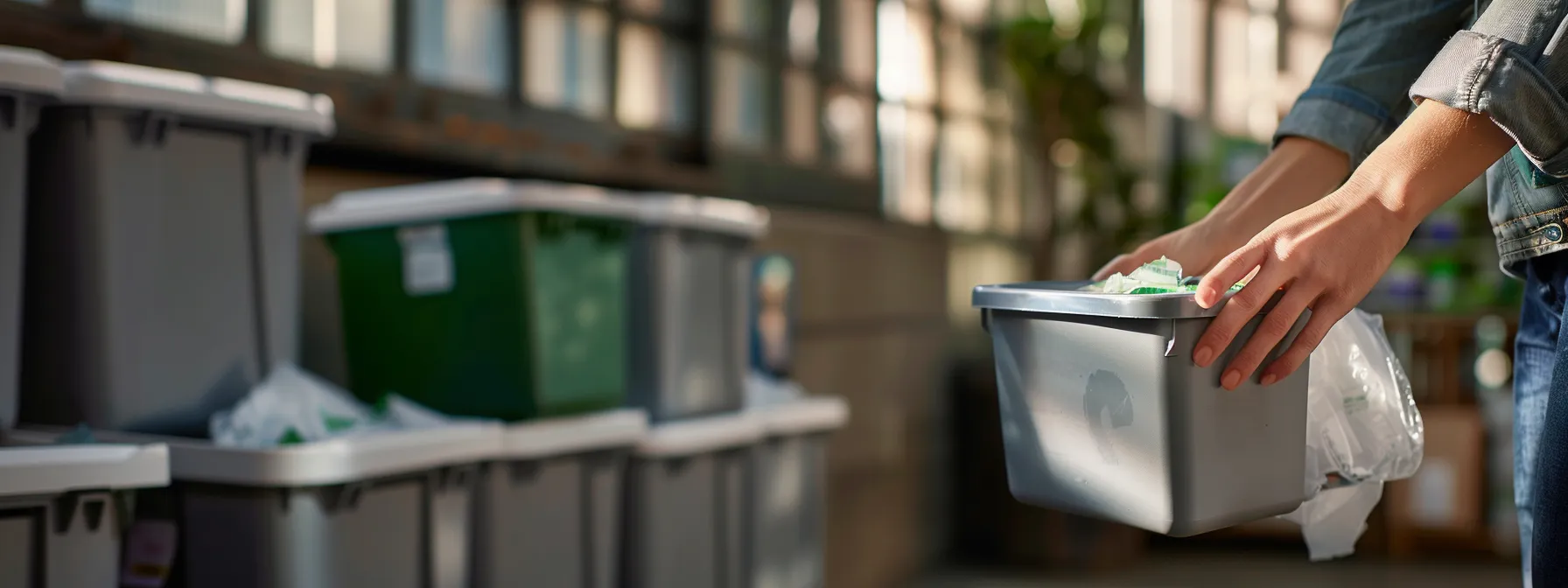
Understanding the environmental impact of your choice in bathroom resurfacing materials is increasingly important as you make selections for your renovation project. Explore eco-friendly material options that not only meet your design needs but also contribute positively to the environment. Additionally, consider recycling and sustainability practices involved in material production, enabling you to support methods that minimize waste and optimize natural resources. Finally, assess the environmental footprint of synthetic materials, as their production and disposal can significantly affect your overall environmental impact. By prioritizing these aspects, you can create a beautiful space that aligns with your values and promotes sustainability.
Eco-Friendly Material Options for Bathroom Resurfacing
When embarking on your bathroom resurfacing project, consider environmentally friendly materials that provide durability without harming the planet. Options like recycled glass tiles and bamboo flooring not only contribute to a stylish appearance but also reduce waste and promote sustainability. By selecting these eco-friendly materials, you can enhance your bathroom’s aesthetic while aligning your renovation with your environmental values.
Recycling and Sustainability Practices in Material Production
As you consider resurfacing materials, it’s beneficial to focus on the recycling and sustainability practices associated with their production. Seek out manufacturers that utilize reclaimed or recycled materials, as this not only reduces the demand for new resources but also minimizes waste. Furthermore, by supporting brands committed to eco-friendly practices, you can help cultivate a more sustainable industry while enhancing the environmental integrity of your bathroomrenovation.
Assessing the Environmental Footprint of Synthetic Materials
Synthetic materials can carry a substantial environmental footprint, impacting your renovation choices. Their production processes often involve the consumption of non-renewable resources and the release of harmful emissions, contributing to air and water pollution. By carefully considering the source and lifecycle of these materials, you can make informed decisions that will benefit both your bathroom’s design and the environment.
When evaluating synthetic materials, keep the following factors in mind:
Production methods and energy consumption
Use of natural versus synthetic resources
Potential for recycling and disposal practices
Durability and lifespan, impacting waste generation
Understanding the materials you select plays a crucial role in minimizing your environmental footprint. Once you’ve made informed choices, it’s time to consider the installation process and how it impacts your timeline.
Installation Process and Time Considerations
Understanding the installation process and the time required for various resurfacing materials is essential for planning your bathroomrenovation. Each material comes with specific preparation work that can affect installation, so you’ll want to familiarize yourself with the steps involved. Additionally, consider the estimated time frames for installation, as this can vary widely depending on the complexity of the project and the materials chosen. Weigh your options between DIY installation and hiring a professional; carefully evaluating your skill level and the project’s demands will help ensure a successful outcome that aligns with your goals.
Preparation Work Required for Different Materials
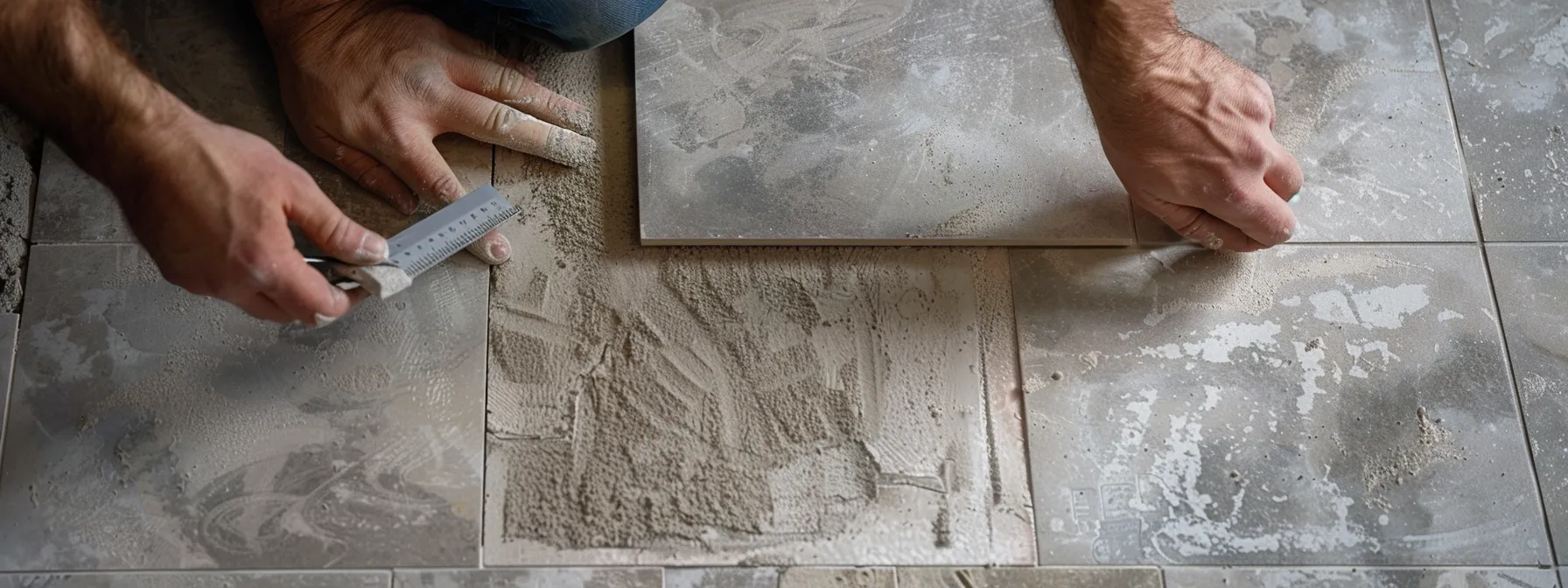
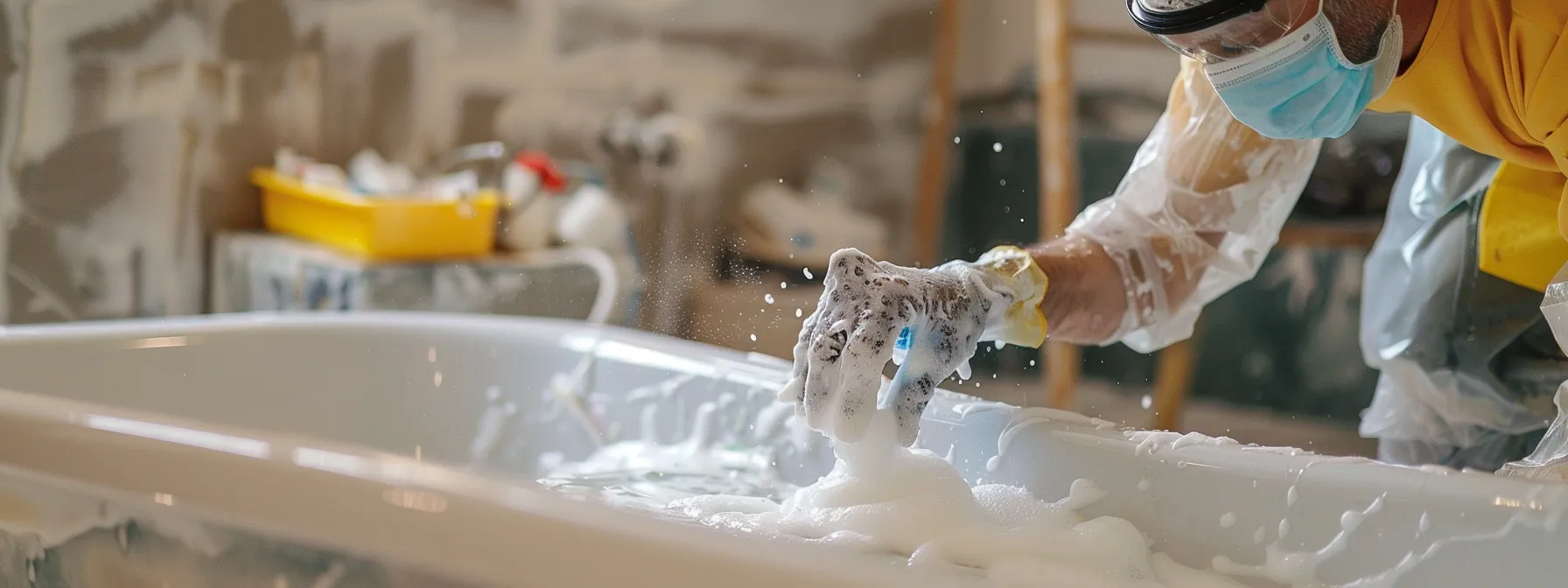
The preparation work needed for various resurfacing materials can greatly influence the overall efficiency of your renovation project. For instance, some materials like tile may require extensive cleaning and the removal of old adhesives, while others, such as acrylic, often necessitate a simpler surface preparation. Understanding these requirements ahead of time will allow you to plan more effectively and reduce unexpected delays.
Identify the resurfacing material you wish to use.
Assess the current condition of your surfaces.
Gather the necessary tools and cleaning supplies.
Remove any existing finishes that could impede adhesion.
Prepare the space to ensure a clean and efficient work environment.
Estimated Time Frames for Material Installation
Estimating the time required for installing resurfacing materials is essential to set realistic expectations for your renovation. Each material presents its own unique installation challenges and timeframes, ranging from a couple of hours for simpler options like vinyl to several days for more complex installations such as tile or natural stone. It’s wise to plan for extra time, particularly if you are tackling the project as a DIY endeavor.
Considering the various factors at play can help you achieve a smoother installation process:
Material Type
Estimated Installation Time
Factors Influencing Time
Vinyl Flooring
3-5 hours
Simple preparation, easier cutting
Acrylic
1-2 days
Requires minimal preparation
Ceramic Tile
2-5 days
Extensive surface preparation, grouting
Natural Stone
3-7 days
Requires careful handling and cutting
DIY Versus Professional Installation Options
When considering the installation of resurfacing materials for your bathroom, you have the option to tackle the project yourself or hire a professional. Weighing the advantages of each approach will help you determine the best fit for your situation. If you’re handy and enjoy DIY projects, you might find satisfaction in handling the installation personally; however, if you prefer a more seamless experience with guaranteed results, seeking professional help could save time and stress.
Evaluate your skill level and experience with home renovation.
Consider the complexity of the installation process for your chosen materials.
Research local professionals and their customer reviews to ensure quality service.
Compare the costs of DIY materials with professional installation rates.
As you prepare for your renovation, diving into the materials sets the stage for a successful transformation. Prioritizing safety and health ensures that your beautiful new space is both stylish and secure for everyday use.
Material Safety and Health Considerations
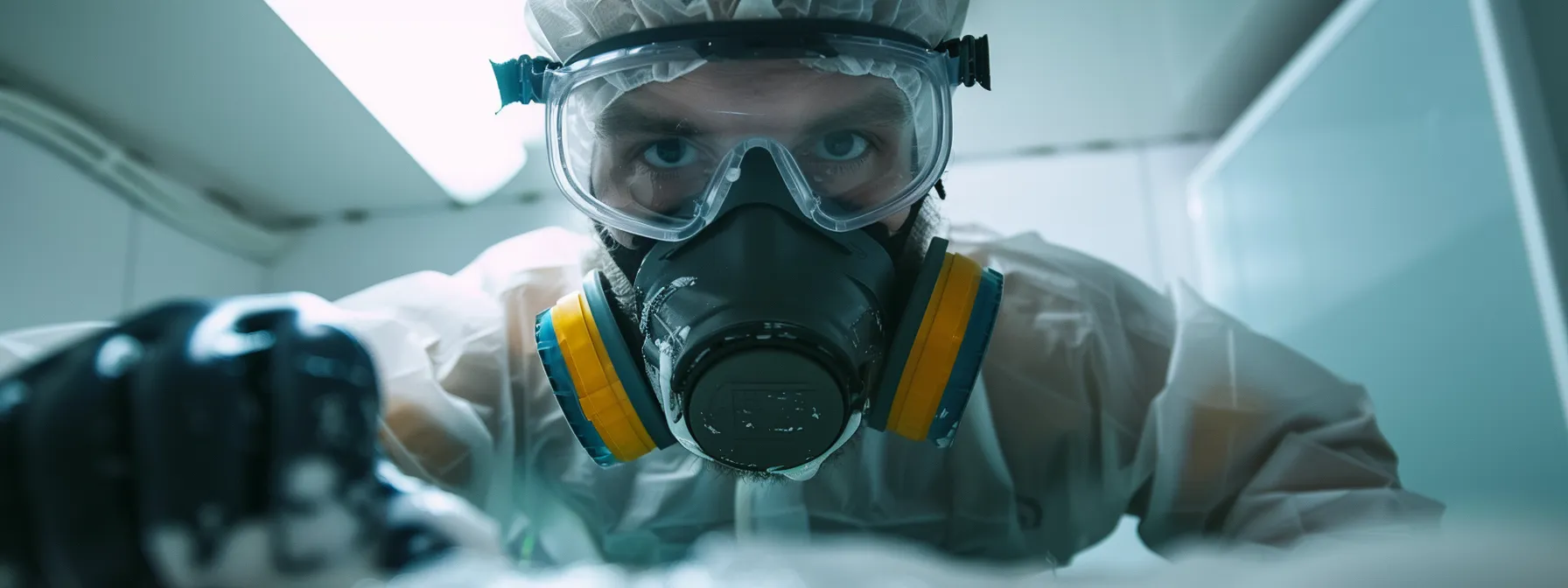
As you make decisions regarding your bathroom resurfacing project, prioritizing safety and health is essential. Look for non-toxic material options that minimize harmful chemical exposure, creating a healthier environment for you and your family. Additionally, consider the ventilation requirements during and after installation; proper airflow is key to reducing moisture accumulation and improving indoor air quality. Finally, focus on materials that resist mold and mildew growth, ensuring your newly resurfaced bathroom remains clean and inviting. By addressing these factors, you contribute to a safer and more enjoyable space while enhancing the longevity of your renovation.
Non-Toxic Material Options for Safer Resurfacing
When selecting resurfacing materials for your bathroom, opt for non-toxic options that enhance safety and comfort. Materials such as low-VOC paints and eco-friendly adhesives significantly reduce harmful chemical exposure, promoting a healthier indoor environment. By prioritizing these substances, you create a space that not only looks good but also supports the well-being of you and your family.
Ventilation Needs During and After Installation
Ensuring proper ventilation during and after the installation of resurfacing materials is vital for maintaining a healthy indoor environment. As you work on your bathroom, open windows and use fans to facilitate airflow, which helps dissipate any fumes from adhesives or finishes. Once the installation is complete, continue using ventilation methods for at least a few days to aid in drying and minimize moisture, ultimately contributing to a safer and more pleasant space.
Material Resistance to Mold and Mildew Growth
When selecting resurfacing materials for your bathroom, prioritize options that are designed to resist mold and mildew growth. Materials treated with antimicrobial properties provide an extra layer of protection, ensuring surfaces remain clean and hygienic even in damp conditions. By choosing these resistant materials, you create a welcoming and safe environment that enhances both the functionality and longevity of your renovated space.
Understanding Your Bathroom Resurfacing Cost: A Comprehensive Guide
Renovating your bathroom can feel overwhelming, particularly when it comes to understanding the potential costs involved in bathroom and kitchen resurfacing. As you navigate this process, consulting reputable resources like the Master Builders Association of Victoria can be invaluable for addressing your FAQs about contracts and cabinetry choices. With a range of factors influencing resurfacing costs, from the type of tub you have to surface treatments, gaining clarity on these elements is essential. Keep reading to discover the intricacies of your bathtub resurfacing expenses and make informed decisions that align with your vision.
Key Takeaways
Tub size and material significantly impact the resurfacing cost
Previous resurfacing can lead to unexpected expenses during renovation
Factor in additional repairs for chips, cracks, or color changes to your budget
Choosing custom colors may elevate your renovation costs due to specialized materials
Weigh resurfacing versus replacing based on the tub’s condition and desired outcome
Deciphering Your Tub Resurfacing Cost
When considering tub resurfacing, various factors come into play that significantly influence the overall price. Understanding these aspects can help you make informed decisions. The size and material of your bathroom and kitchen resurfacing tub have a direct impact on the final cost, with larger and certain materials potentially leading to higher expenses. If your tub has previously been resurfaced, that history can also alter your budget. Additionally, weighing the pros and cons of DIY versus hiring professionals from Master Builders Association of Victoria is vital, as statistics show that missteps in DIY projects may lead to increased costs in the long run, especially when you account for water damage and the need for repairs. Furthermore, any necessary additional work, such as fixing chips or cracks and changing the color of your tub, will contribute to your total expenses. Analyzing these elements ensures you navigate the financial aspects effectively and find a solution that suits your needs.
Understanding the Factors That Influence Tub Resurfacing Prices
Several variables can drive the price of bathtub refinishing, including the condition of your existing fittings and any necessary adjustments to your electrical wiring. If your bathroom is undergoing a full renovation, issues like a ceiling repair or fresh towel installation can affect the overall project budget. Being aware of your specific needs and the terms of service provided by your renovation team ensures clarity regarding costs and scope, enabling you to plan effectively.
The Impact of Tub Size and Material on Your Final Cost
The size of your tub plays a crucial role in determining the overall resurfacing cost. Larger tubs typically require more material and labor, consequently affecting your return on investment. Additionally, the material of the tub influences the extent of prep work needed to address issues like corrosion and potential damage to surrounding structures such as drywall.
When you consider different tub materials, such as acrylic, fiberglass, or porcelain, the complexities of the resurfacing process can vary significantly. Each type has its own quirks that bathroom remodelers must navigate, impacting time and cost. Moreover, if you have an accompanying sink or fixtures that require adjustments during the resurfacing process, the project scope may expand, leading to increased expenses.
Factor
Impact on Cost
Tub Size
Larger tubs increase material and labor costs.
Tub Material
Material type affects prep work required for surfaces.
Corrosion
Addressing corrosion issues may add to overall expenses.
Additional Fixtures
Adjustments to sinks or other fixtures can raise costs.
How Prior Resurfacing Affects Your Budget
When a tub has been resurfaced previously, it can introduce additional complexity to your renovation budget. You might encounter issues such as mildew or damage to surrounding tiles that need to be addressed before proceeding with new resurfacing. Consulting with an architect or renovation specialist can help you anticipate these costs and ensure your budget aligns with the necessary work required to achieve a successful outcome.
The True Cost of DIY vs. Professional Tub Resurfacing
Choosing between DIY and professional tub resurfacing can significantly affect your overall cost. While tackling the project yourself may seem like a budget-friendly option, you might not account for the complexities involved, such as needing an electrician for wiring adjustments or handling grout repairs during a full bathroom remodel. Additionally, any demolition or structural issues that arise could lead to unanticipated expenses, making professional services a more reliable choice in the long run.
Additional Costs: Chips, Cracks, and Color Changes
During a bathroom remodel, accounting for any additional costs related to chips, cracks, or color changes is essential for an accurate cost estimate. Typically, addressing damaged areas can involve applying epoxy to fill in imperfections, which may add to the overall price, especially if several repairs are necessary. Furthermore, if you decide to install features like a grab bar, it’s important to consider the extra expense involved in both the installation and preparation of the surface.
Repair Type
Average Cost Impact
Filling Chips
Typically adds $75-$150
Crack Repairs
Can increase costs by $100-$200
Color Change
May add $150-$300 depending on size
Grab Bar Installation
Generally around $50-$100
Understanding the factors that influence your resurfacing cost sets the stage for a closer look at a timeless favorite. Let’s dive into the specifics of resurfacing your clawfoot tub and see how it can transform your bathroom.
The Real Cost of Resurfacing Your Clawfoot Tub
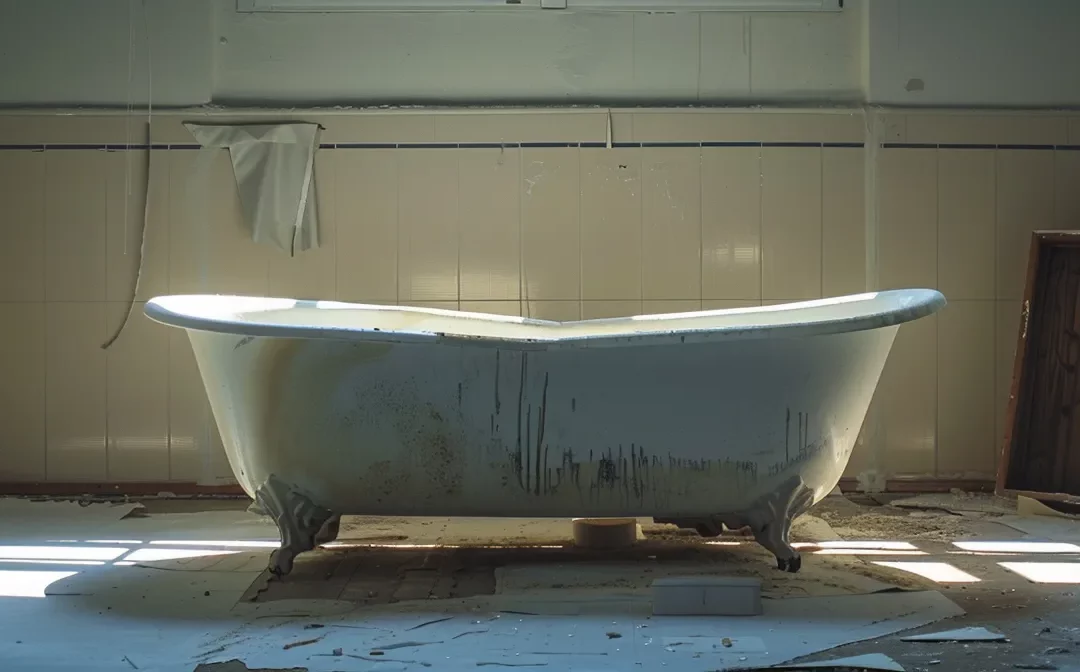
Resurfacing a clawfoot tub often involves higher expenses due to its distinctive design and specialized materials. These tubs typically require careful consideration, especially when assessing the condition of their porcelain tile finishes and any unique features such as decorative feet. Estimating the cost becomes more complex if you need to consult a structural engineer or make adjustments to the surrounding lighting. Unlike standard tubs, the fee associated with resurfacing a well-crafted clawfoot tub reflects both the intricacies of the job and the quality necessary to achieve a lasting result in your home improvement project.
Why Clawfoot Tubs Are Pricier to Resurface
Resurfacing a clawfoot tub comes with higher costs primarily due to the specialized nature of these fixtures, which are often made from cast iron. The intricate design requires careful handling to prevent damage, especially around the decorative feet. Generally, a contractor will need to use finer grades of sandpaper and follow strict protocols to ensure the tub’s surface is prepared adequately for the new finish, which can increase the overall price in your bathroomrenovation.
Clawfoot tubs often feature a cast ironconstruction, making them heavier and requiring more labor to manage.
The unique design includes decorative features, necessitating specialized skills from a general contractor.
Preparation involves more detailed sanding techniques with appropriate sandpaper, ensuring an even surface for resurfacing.
Additional adjustments may be required to align with the surrounding wall and maintain aesthetic consistency.
Estimating the Cost for Unique Tub Features
When estimating the cost for unique tub features during a primary bathroom remodel, it’s essential to consider not just the materials involved, but also the intricacies of construction that can influence your overall expenses. Custom elements, such as ornate fixtures or specialized finishes, often require a skilled labor force, which can increase the wage associated with the project. Additionally, ensuring that your refinishing work is backed by a warranty provides peace of mind, confirming that your investment is protected long after the remodeling is complete.
As you weigh the expenses of resurfacing your clawfoot tub, consider how safety features could impact your investment. Is a non-slip surface truly a worthy addition to enhance your bathing experience?
Is a Non-Slip Surface on Your Tub Worth the Extra Cost?
Considering a non-slip surface for your tub can enhance safety significantly, especially in a basement or any bathroom environment prone to moisture. As you remodel your bathroom, it’s important to factor in the costs associated with adding this safety feature into your bathroom remodel estimates. The existing caulk around your tub may need to be addressed during this process, and you should ensure that your light fixture choices complement the overall aesthetic while remaining safe. Navigating these details will help you make informed decisions that prioritize both safety and functionality in your newly renovated space.
Safety and Resurfacing: Calculating the Cost of Non-Slip Surfaces
Incorporating a non-slip surface into your bathtub remodel is a prudent investment for enhancing safety in your space. By opting for this feature, particularly in damp environments, you minimize the risk of slips and falls, which can be detrimental in any interior design scenario. If mold formation is a concern, a non-slip surface can also help reduce the retention of moisture, safeguarding your tub’s integrity, particularly if it’s made of steel.
Increases longevity of the tub surfaces, ensuring safety.
Choosing a non-slip surface can enhance safety and comfort in your bathroom. Now, let’s explore the various tub materials available and how their resurfacing costs can impact your renovation budget.
Different Tub Materials and Their Resurfacing Costs
Understanding the costs associated with resurfacing various tub materials is essential to effectively planning your bathroomrenovation budget. Each tub type presents unique challenges and expenses that can greatly influence your overall shower remodel cost. For instance, fiberglass tubs often require a simple coat of refinishing that is typically less expensive compared to the process of reglazing porcelain, which demands meticulous preparation and additional materials. On the other hand, refinishing a cast iron tub can incur higher expenses due to its weight and the need for specialized techniques. While marble may be a luxurious choice for accenting your tub area, it’s important to factor in the potential accessibility issues and upkeep costs associated with these materials. By examining these aspects, you can make informed decisions that align with your vision and financial goals for a stunning bathroom space.
FiberglassBathtub Resurfacing Costs Explained
Resurfacing a fiberglassbathtub typically presents a more budget-friendly option compared to ceramic or cast iron alternatives. The cost associated with this process can vary based on your specific floor plan and the characteristics of your existing tub. Moreover, your location, including your zip code, can influence retail prices for materials and labor, so it’s wise to gather estimates from local professionals to get an accurate understanding of your investment.
Porcelain Tub Reglazing: What Will It Cost You?
Reglazing a porcelain tub can vary significantly in cost depending on various factors, including the condition of the tub and the extent of the work required. Typically, the price for this service ranges from $300 to $600, influenced by issues such as cracks, stains, or whether the tub has been previously refinished. If your bathroom remodel project involves changes to the concretefloor or iron fixtures, you may want to budget for additional expenses that might arise, aligning your overall costs effectively.
Aspect
Cost Range
Basic Reglazing
$300 – $600
Repairs (Cracks or Stains)
Additional $100 – $200
Previous Resurfacing Impact
Possible extra $150 – $300
The Expense of Refinishing a Cast Iron Tub
Refinishing a cast iron tub generally incurs higher expenses compared to other materials due to the weight and durability required to handle its structure. Your investment may also be influenced by additional needs such as improving ventilation to ensure proper drying, as well as addressing any porcelain touch-ups that might be necessary during the process. As you plan your project, remind yourself that the quality of the finish you choose can significantly impact both durability and aesthetics.
Higher costs due to the weight of cast iron.
Essential improvements to ventilation for optimal drying.
Potential porcelain touch-ups needed for a seamless finish.
As you explore the various tub materials and their resurfacing costs, it’s essential to consider the hidden challenges that come with wear and tear. Battling rust, chips, and cracks can add unexpected expenses to your renovation, urging you to plan accordingly.
Battling Rust, Chips, and Cracks: The Added Costs
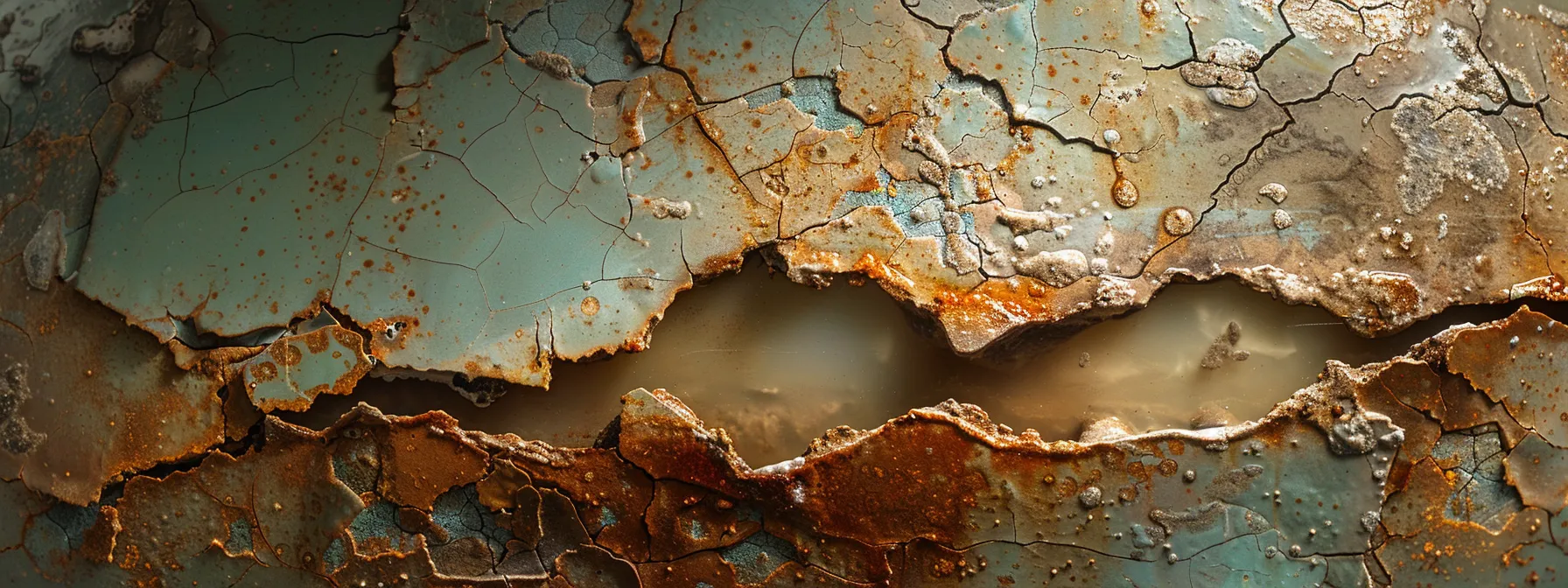
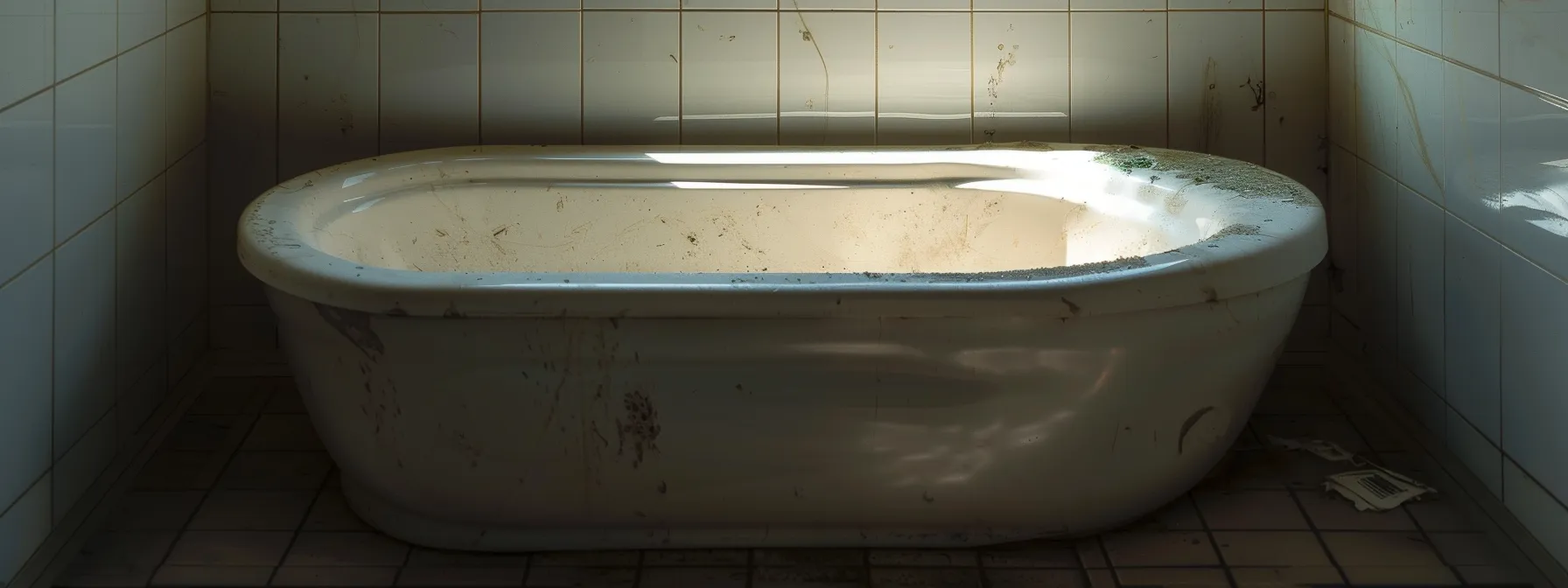
Surface damage in your bathtub, such as rust, chips, or cracks, can significantly raise your resurfacing expenses. These imperfections not only hinder the appearance of your tub but also complicate the preparation process for refinishing. When you face such issues, the need for additional repairs becomes essential to ensure that the surface is stable and suitable for the new finish. Addressing these damages involves extra materials, labor, and time, all of which contribute to an increased overall cost. Understanding this correlation between surface damage and resurfacing expenses allows you to plan your budget more effectively and emphasizes the importance of maintaining your tub’s condition to avoid unexpected costs down the line.
How Surface Damage Can Inflate Your Resurfacing Bill
Surface damage such as rust, chips, and cracks can add unexpected expenses to your resurfacing project. These issues require careful attention and additional materials for repair, complicating the preparation process and demanding more labor. By addressing these imperfections before resurfacing, you can enhance the overall quality of the finished product and potentially save yourself from greater repair costs in the future.
As you confront the realities of rust and damage, a transformation may be on the horizon. Why not take advantage of your resurfacing project to refresh your color palette and give your space a vibrant new look?
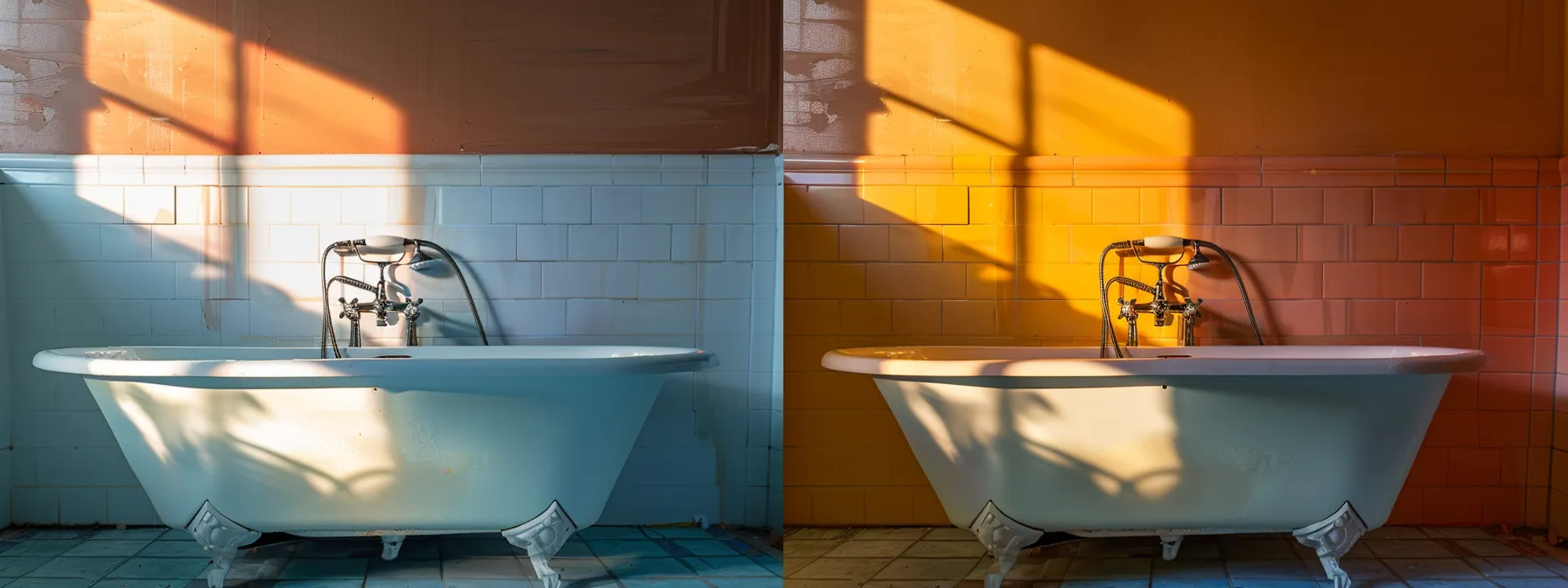
Opting for a Color Change During Resurfacing
Considering a customized color for your tub resurfacing project adds a unique touch to your bathroom while enhancing its overall appeal. However, it’s important to be aware that selecting a custom color can impact your budget. The process typically involves specific materials and specialized techniques, which can elevate the cost compared to standard options. By understanding the financial implications of incorporating bespoke colors, you can plan your renovation effectively and ensure that the result aligns with your vision and aesthetic goals.
Exploring the Cost of Custom Colors in Tub Resurfacing
Choosing a custom color for your tub resurfacing can add a distinctive flair to your bathroom. This decision, however, often entails additional costs, as unique hues typically require specialty materials and specific application techniques. Ensuring that your budget accommodates these expenses allows you to achieve a look that truly reflects your style and enhances the overall aesthetics of your space:
Custom colors involve the use of specialized coatings.
Application techniques may differ from standard finishes.
Estimating the total cost is crucial for planning your renovation.
A vibrant color change can breathe new life into your bathroom, making it feel fresh and modern. But as you consider your options, the question arises: should you resurface or completely replace your bathtub?
Making the Choice: Resurface or Replace Your Bathtub?
Choosing between resurfacing and replacing your bathtub involves weighing the costs and benefits of each option. Resurfacing typically presents a more budget-friendly alternative, but there are times when a complete replacement can be more advantageous. Factors such as the overall condition of your current tub, the extent of damage, and personal preference play roles in your decision-making process. Analyzing these elements thoroughly will help you determine whether to refurbish your existing tub or invest in a new one, ensuring you make a choice that aligns with your needs and long-term goals.
Cost Comparison: Tub Resurfacing vs. Replacement
When evaluating whether to resurface or replace your bathtub, consider the financial implications of each option. Resurfacing your tub often presents a more cost-effective solution, allowing you to refresh its appearance without the expenses associated with demolition and installation involved in a full replacement. Weighing the condition of your existing fixture against your budget and design goals will guide you towards a decision that best meets your needs.
When to Consider a Full Bathtub Replacement
When evaluating whether to replace your bathtub, consider the extent of damage and the age of the existing fixture. If your tub is severely cracked, corroded, or features extensive wear that can’t be effectively addressed through resurfacing, a full replacement may be the more sensible choice. Additionally, if you’re looking to upgrade to a more modern or efficient model, replacing your tub can enhance both the aesthetics and functionality of your bathroom.
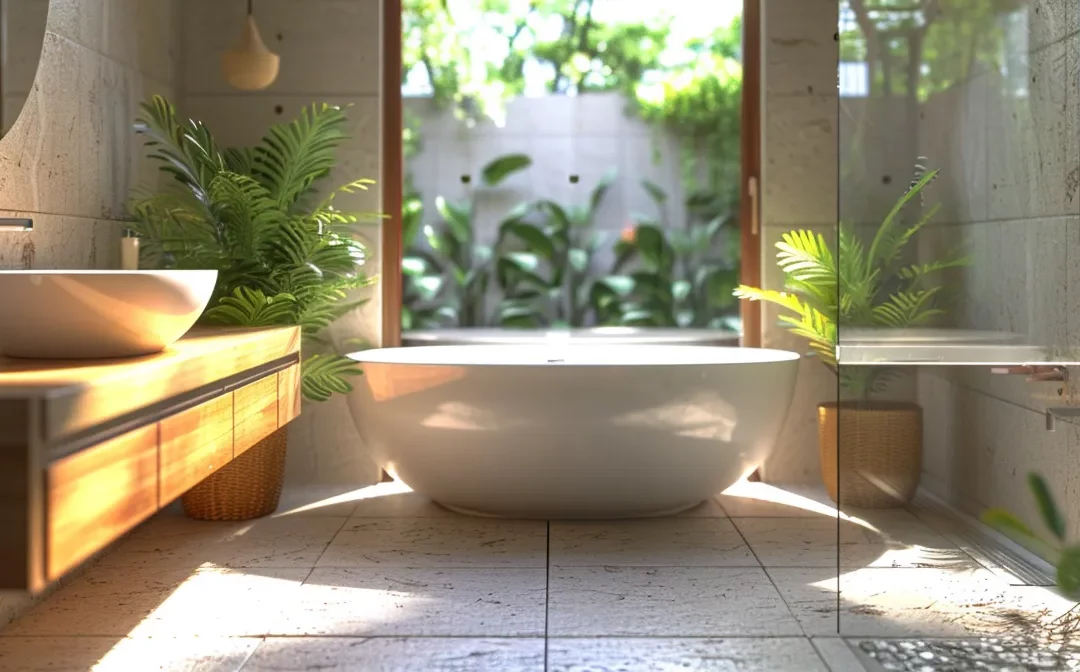
In the pursuit of eco-friendly bathroom and kitchen resurfacing, choosing sustainable practices is becoming more significant than ever. The Master Builders Association emphasizes the importance of utilizing materials that not only reduce carbon footprints but also contribute positively to the natural environment. Homeowners are taking pride in transforming their spaces while being mindful of their ecological impact. As you navigate through various options for creating an environmentally responsible bathroom, you’ll discover innovative resurfacing solutions that don’t compromise on style or functionality. Keep reading to explore the essential elements of an eco-friendly bathroomrenovation.
Key Takeaways
Choose sustainable materials to enhance both aesthetics and environmental responsibility in bathroom renovations
Opt for low-VOC paints and coatings to promote healthier indoor air quality during resurfacing projects
Incorporate water-saving fixtures to reduce consumption and lower utility bills while enhancing performance
Regular maintenance and eco-friendly cleaning solutions extend the life of your resurfaced bathroom
Use innovative technologies for planning sustainable designs that are both functional and visually appealing
Choosing Sustainable Materials for Bathroom Resurfacing
In your pursuit of sustainable living, exploring Bathroom and Kitchen Resurfacing materials for bathroom resurfacing is vital. You can effectively reduce the risk of water damage and promote environmentally friendly practices by identifying green resurfacing options that prioritize both function and aesthetics. Notably, using recycled materials not only minimizes waste but also offers unique character to your space. As you navigate your choices, consider top eco-friendly brands that emphasize responsibility in their product lines, bringing you a range of surface solutions that align with your commitment to sustainability, whether opting for hardwood finishes or innovative composites. This involvement not only enhances the look of your bathroom but also contributes positively to the environment.
Identifying Green Resurfacing Options
When evaluating green Bathroom and Kitchen Resurfacing options, consider materials that utilize renewable energy in their production process. Look for resurfacing solutions that incorporate non-toxic finishes for your sink and bathtub refinishing projects, ensuring a safer environment for you and your family. Additionally, if you have a hot tub, explore eco-friendly coatings that not only enhance its aesthetics but also align with sustainable practices master builders association.
The Benefits of Using Recycled Materials
Using recycled materials in your bathroom resurfacing projects not only enhances the aesthetics of your space but also aligns with your principles of sustainability. For instance, opting for recycled tiles or countertops in your renovations not only adds unique character but also minimizes environmental impact. Incorporating these materials into your tub refinishing can make your bathroom feel like a refreshing retreat bathed in daylight, reflecting your commitment to eco-conscious choices.
Top Eco-Friendly Brands to Consider
When selecting eco-friendly brands for your bathroomrenovation, consider those that prioritize sustainability across their product offerings. Brands such as Green Building Supply and Eco-friendly Flooring provide innovative solutions for grout, tub and tile applications, all while championing energy-efficient practices. Their commitment to using recycled and non-toxic materials helps reduce your environmental footprint while maintaining aesthetic appeal in your shower and bathing areas.
Brand Name
Focus Area
Product Highlights
Green Building Supply
Eco-friendly Building Supplies
Non-toxic grout and sustainable tile options
Eco-friendly Flooring
Flooring and Surfaces
Recycled tiles and energy-efficient materials
Reclaimed Wood Exchange
Wood Products
Reclaimed wood for cabinetry and décor
NatureFloor
Sustainable Floors
Eco-friendly bathroom flooring solutions
As you select sustainable materials for your bathroom resurfacing project, consider how your choices affect indoor air quality. Discover the importance of low-VOC products and their positive impact on creating a healthier, more enjoyable space.
The Impact of Low-Voc Products on Bathroom Resurfacing
Understanding the implications of volatile organic compounds (VOCs) is essential for anyone considering a bathroom remodel. These compounds can emit harmful gases during demolition and resurfacing processes, potentially affecting indoor air quality and the health of your household. By selecting low-VOC paints and coatings for your project, you actively minimize waste and promote a healthier environment. Furthermore, eco-friendly resurfacing options not only enhance the aesthetics of your space but also improve overall well-being. With attentive customer service guiding you through these selections, you make informed decisions that reflect your commitment to sustainability and customer satisfaction.
Understanding VOCs and Their Effects
Understanding volatile organic compounds (VOCs) is crucial when embarking on home improvement projects such as bathtub resurfacing. These chemicals, often found in common materials like wood finishes and poly coatings, can release harmful substances into your indoor air, potentially compromising your living environment. By opting for low-VOC alternatives, you contribute not only to a healthier home but also to water conservation efforts, as environmentally responsible materials often feature durability and efficiency that benefit your renovations in the long run.
Selecting Low-Voc Paints and Coatings
Selecting low-VOC paints and coatings is a vital step in your bathroom resurfacing project. These innovative options not only improve indoor air quality but also enhance the durability of your surfaces, providing impressive waterproofing benefits. If you’re considering refinishing services or even concrete resurfacing, prioritizing low-VOC products will ensure a healthier living environment for you and your family.
Innovation in eco-friendly materials leads to healthier living spaces.
Low-VOC options can significantly improve indoor air quality.
Durable waterproofing is essential for long-lasting surfaces.
Integrating low-VOC solutions enhances refinishing and resurfacing projects.
The Health Benefits of Eco-Friendly Resurfacing
Eco-friendly resurfacing solutions offer a breath of fresh air for your bathroom. By choosing materials that reduce harmful odors and are free from volatile organic compounds (VOCs), you create a healthier space for yourself and your family. Utilizing non-toxic adhesives and finishes can improve indoor air quality significantly, allowing for a more pleasant and safe environment while you enjoy your revitalized bathroom.
Non-toxic adhesives help minimize harmful odors.
Low-VOC products enhance air quality.
Organic compounds reduce health risks in bathroom settings.
Choosing low-VOC products not only promotes a healthier environment but also sets the stage for further eco-conscious improvements in your bathroom. Next, let’s explore how water-saving fixtures can enhance functionality while contributing to a more sustainable space.
Water-Saving Fixtures for Eco-Friendly Bathrooms
Your choice of water-saving fixtures can significantly enhance the sustainability of your bathroomremodeling project. Prioritizing water efficiency not only benefits the environment but also reduces your water bills over time. As you explore popular options like low-flow faucets and dual-flush toilets, you’ll find that these innovations help you conserve water without sacrificing performance. Additionally, calculating the potential savings from these eco-friendly fixtures can illustrate their impact on both your budget and the environment. By integrating these fixtures into your bathroom resurfacing plans, while taking advantage of available warranties, you ensure that your space remains stylish, functional, and responsible.
The Importance of Water Efficiency
Water efficiency plays a crucial role in sustainable construction practices, reducing reliance on precious resources. By opting for fixtures that minimize water use, you can limit waste that often ends up in a landfill, while also decreasing the consumption of volatile organic compounds associated with many traditional plumbing materials like cement and ceramic. These choices contribute to a healthier living environment, ensuring your bathroom remodel aligns with eco-friendly principles.
Aspect
Benefits
Water Efficiency
Reduces water consumption, which lowers utility costs and minimizes environmental impact.
Landfill Waste
Decreases the amount of discarded materials through efficient design and fixture selection.
Volatile Organic Compounds
Minimizes exposure to harmful emissions from standard construction materials.
Cement and Ceramic Alternatives
Provides eco-friendly options that maintain aesthetics without compromising sustainability.
Popular Water-Saving Fixtures to Install
Installing popular water-saving fixtures can significantly enhance your bathroom‘s functionality while promoting sustainability. Consider options like low-flow showerheads and faucets, which provide a refreshing experience without draining resources. Additionally, stainless steel materials lend durability and style, easily complementing marble accents, all while ensuring accessibility for everyone in your home.
Calculating Savings With Eco-Friendly Fixtures
Calculating the savings from eco-friendly fixtures in your bathroom can illuminate the financial benefits of your remodeling project. By opting for water-saving solutions such as low-flow showerheads or taps, you effectively reduce your water bills while contributing less to your carbon footprint. Furthermore, selecting durable materials like fiberglass for your bathtub not only minimizes maintenance costs but aligns with recycling efforts aimed at promoting sustainability.
Fixture Type
Potential Savings per Year
Impact on Carbon Footprint
Low-Flow Showerhead
$75
Reduces water usage by up to 40%
Water-Saving Faucet
$50
Limits water flow to promote conservation
Dual-Flush Toilet
$100
Minimizes water consumption for each flush
Fiberglass Bathtub
$30
Supports recycling through sustainable production practices
After transforming your bathroom with water-saving fixtures, it’s time to explore lighting options that can further enhance its eco-friendly appeal. Energy-efficient lighting solutions not only brighten your space but also cut down on energy costs, making them a perfect fit for your sustainable remodel.
Energy-Efficient Lighting Solutions for Bathroom Resurfacing
As you embark on your bathroomrenovation, selecting the right type of energy-efficient lights becomes pivotal for creating a sustainable bathroom. Consider how different lighting choices influence both the ambiance and the eco footprint of your space. Whether you’re opting for bamboo fixtures or sleek concrete designs, the impact of lighting extends beyond aesthetics. To ensure both style and efficiency, employing installation tips tailored to your specific zip code can enhance the overall sustainability of your bathroom. Effective lighting not only contributes to energy conservation but also transforms the way you experience your newly resurfaced area.
Choosing the Right Type of Energy-Efficient Lights
Choosing the right type of energy-efficient lights involves considering both functionality and aesthetic appeal in your bathroom. Look for fixtures that suit the existing design elements, such as those with iron accents that can complement your modern porcelain finish or sleek countertops. Proper lighting enhances the overall feel of the space, creating a welcoming atmosphere that can even highlight the textures of the floor or the details of your chosen materials.
How Lighting Affects Your Bathroom‘s Eco Footprint
Lighting choices significantly influence your bathroom‘s energy consumption, directly impacting its eco footprint. By opting for LED fixtures and other energy-efficient options, you actively reduce electricity usage, which translates into lower energy bills and decreased carbon emissions. The careful selection of lighting can transform your space while promoting an environmentally friendly approach to bathroom design:
Choosing LED lights provides longevity and reduces energy usage.
Incorporating natural light enhances brightness without consuming electricity.
Using timers and sensors minimizes unnecessary lighting during off-peak hours.
Installation Tips for Maximum Efficiency and Style
To achieve maximum efficiency and style in your bathroom lighting, focus on layering your light sources. Combine ambient lighting with task and accent lights to enhance functionality and highlight your design features. Strategically place fixtures to illuminate dark areas while ensuring that natural light sources complement your overall aesthetic, creating a warm and inviting space.
Energy-efficient lighting not only enhances your bathroom’s aesthetics but also sets the stage for a more sustainable renovation. Next, let’s explore how cutting-edge technology is reshaping eco-friendly bathroom resurfacing and making it easier than ever to go green.
The Role of Technology in Eco-Friendly Bathroom Resurfacing
Your approach to eco-friendly bathroom resurfacing can greatly benefit from the latest technological advancements. Innovative materials designed to minimize environmental impact are now widely available, providing options that align with your sustainability goals. Beyond material selection, various software and applications streamline the planning process, allowing you to create sustainable designs that are both functional and aesthetically pleasing. Additionally, advancements in eco-friendly coatings offer enhanced durability and performance, ensuring that your resurfacing project not only meets your design vision but also contributes to a healthier environment. Engaging with these technologies empowers you to make informed choices that embrace both beauty and responsibility in your renovated space.
In your journey toward sustainable bathroom resurfacing, utilizing innovative materials can significantly reduce environmental impact. Options like countertops made from recycled glass or eco-friendly tiles sourced from sustainable practices not only elevate the aesthetic value of your space but also help conserve natural resources. These materials often feature enhanced durability, making them a practical choice for both aesthetics and functionality:
Material Type
Environmental Benefits
Durability
Recycled Glass Countertops
Minimizes waste and reduces energy consumption
Highly resistant to scratches and stains
Sustainable Tiles
Made from renewable resources, reducing carbon footprint
Long-lasting and low maintenance
Bamboo Flooring
Rapidly renewable, which helps preserve forests
Strong and durable, ideal for high-traffic areas
Reclaimed Wood
Diminishes the need for new lumber, conserving forests
Sturdy with unique character, perfect for cabinetry and accents
Software and Apps for Planning Sustainable Designs
Utilizing software and applications for planning sustainable bathroom designs can significantly streamline your renovation process. These digital tools allow you to visualize different materials and layouts, ensuring your choices align with your eco-friendly goals. By incorporating these technologies early in your planning stage, you enhance both efficiency and effectiveness in achieving your ideal bathroom.
Visualize different options easily to find your sustainable choice.
Evaluate materials and aesthetics before making final decisions.
Streamline communication with contractors for a smoother renovation process.
Technological Advancements in Eco-Friendly Coatings
Recent innovations in eco-friendly coatings have revolutionized bathroom resurfacing projects, providing enhanced durability while minimizing environmental impact. These advanced coatings often feature low volatile organic compounds (VOCs), reducing harmful emissions and ensuring a safer atmosphere for your home. By choosing these options, you’re not only enhancing the longevity of your surfaces but also supporting eco-conscious development in the industry.
Consider the following benefits of these advancements in eco-friendly coatings:
Improved resistance to wear and tear.
Reduced harmful emissions during application.
Enhanced aesthetics with various texture and color options.
Compatibility with a range of materials, ensuring diverse applications.
Embracing eco-friendly technology not only revitalizes your bathroom but also sets the stage for long-lasting beauty. Now, let’s explore how you can maintain this sustainable oasis and keep it looking fresh for years to come.
How to Maintain Your Eco-Friendly Resurfaced Bathroom
Maintaining your eco-friendly resurfaced bathroom is essential for both its longevity and your commitment to sustainability. Opt for eco-friendly cleaning solutions that effectively preserve the integrity of your surfaces without introducing harmful chemicals into your home. Focus on practical tips that help prolong the life of your resurfaced areas, such as using gentle cleaning techniques and avoiding abrasive materials that could cause damage. Additionally, incorporate regular maintenance practices that not only keep your bathroom looking pristine but also contribute to a healthier environment. By addressing these aspects, you ensure your eco-conscious choices continue to benefit both your space and the planet.
Eco-Friendly Cleaning Solutions
To keep your eco-friendly resurfaced bathroom in top condition, utilize natural cleaning solutions that effectively clean while safeguarding the environment. Consider ingredients like vinegar, baking soda, and lemon juice; these not only help maintain the shine of your surfaces but also minimize chemical exposure in your home. Regularly employing these eco-friendly options will ensure your bathroom remains healthy and visually appealing without compromising your commitment to sustainability.
Tips for Prolonging the Life of Resurfaced Areas
To extend the lifespan of your resurfaced bathroom areas, implement a routine maintenance schedule that includes gentle cleaning techniques. Avoid using harsh scrubbing tools or abrasive cleaners, as these can damage the surface finish and diminish its visual appeal. Instead, opt for soft cloths and non-toxic solutions to ensure your surfaces maintain their integrity and luster over time.
Regular inspections for signs of wear or damage are essential, as addressing issues promptly can prevent further deterioration. Pay attention to areas prone to moisture buildup, and ensure that seals and caulking remain intact to avoid water infiltration that could lead to more significant problems. By taking these proactive measures, you will keep your eco-friendly resurfaced bathroom looking pristine and functioning effectively for years to come.
Regular Maintenance Practices for Sustainability
Establish a regular cleaning schedule that focuses on gentle methods to protect your resurfaced surfaces. By using soft cloths and eco-friendly cleaners, you help maintain their appearance without compromising their integrity. This proactive approach significantly contributes to the sustainability of your eco-friendly bathroom.
Additionally, conducting periodic checks for signs of wear can prevent minor issues from escalating into significant repairs. Pay special attention to areas prone to moisture exposure, ensuring that all seals and caulking remain intact and functional to prevent water damage.
To facilitate your maintenance routine, consider the following table as a guide for best practices and their benefits:
How Resurfacing Your Bathroom Benefits the Environment
Bathroom and kitchen resurfacing offers not only a visual upgrade to your spaces but also a sustainable choice for the environment. With insights from the Master Builders Association Victoria, you’ll discover how resurfacing minimizes waste and reduces the presence of moisture, stains, and dust that can compromise your home’s quality. By opting for this eco-friendly solution, you can enjoy a refreshed bathroom while contributing to a greener planet. Embracing bathroom resurfacing means making a conscious decision for both aesthetic and environmental health. Keep reading to find out how this choice benefits the environment and enhances your living space.
Key Takeaways
Resurfacing promotes sustainability by minimizing waste and reusing existing materials
Choosing eco-friendly resurfacing materials enhances indoor air quality and reduces harmful chemical exposure
This method significantly lowers your carbon footprint compared to traditional renovation practices
Employing water-efficient fixtures during resurfacing contributes to conservation and lowers utility bills
Investing in resurfacing supports durable solutions while preserving the aesthetic integrity of your bathroom
Introduction to the Eco-Friendly Side of Bathroom Resurfacing
When considering a Bathroom and Kitchen Resurfacing, the eco-friendly approach of resurfacing serves not only aesthetic purposes but also contributes to environmental sustainability. By choosing to reuse existing materials like cast iron bathtubs or oak cabinetry, you effectively minimize waste and reduce the need for new materials, which often come at a significant expense. This method promotes the idea that you can maintain functionality and style without sacrificing the planet.
Resurfacing allows you to breathe new life into old surfaces without discarding them. Imagine your worn-out wood fixtures transformed through a simple Bathroom and Kitchen Resurfacing process, thereby extending their lifespan and reducing landfill contributions. This practice not only conserves resources but also lowers the carbon footprint associated with manufacturing and transporting new products.
Moreover, opting for Master Builders Association Victoria resurfacing means you prioritize quality over quantity. High-quality materials like cast iron and oak can be refurbished instead of replaced, emphasizing longevity and sustainability. By choosing to invest in Bathroom and Kitchen Resurfacing eco-conscious methods, you contribute to a greener future while enjoying a beautiful, updated bathroom.
As you explore the eco-friendly benefits of bathroom resurfacing, you’ll discover a powerful way to minimize your environmental impact. Ready to learn how this choice not only enhances your space but also significantly reduces waste?
Reducing Waste by Choosing to Resurface
Resurfacing your bathroom dramatically reduces the amount of construction debris sent to landfills. Unlike traditional renovation methods that often lead to the disposal of mold-infested items or outdated fixtures, resurfacing allows you to retain and refresh what you already have. By extending the life of existing elements like fiberboardcabinetry and outdated grout, you not only save on costs but also minimize your environmental impact. Embracing this sustainable approach ensures you make a positive contribution to the health of our planet while enjoying the aesthetic benefits of a modernized bathroom.
Less Construction Debris Sent to Landfills
By choosing to resurface your bathroom, you take an active step toward sustainability and significantly reduce the amount of constructionwaste generated during renovations. Instead of discarding old fixtures that may contain harmful oil-based products, you opt to refresh what you already possess, alleviating the headache that comes with extensive renovations. This approach not only spares your space from clutter but also conserves valuable materials, such as cartridges found in older faucets, that can be successfully restored rather than wasted.
Extending the Life of Existing Fixtures
Extending the life of existing fixtures through bathtub resurfacing is a practical approach that emphasizes sustainability in home improvement projects. By using solvent-based or water-based polyurethane finishes, you can protect and revitalize surfaces, making them look new without the need for replacement. This environmentally friendly method not only preserves materials but also reduces the demand for new products, contributing to a healthier planet.
Benefit
Description
Minimizes Waste
Resurfacing reduces the number of materials sent to landfills, promoting sustainable practices.
Cost Effective
Refurbishing existing fixtures saves money compared to purchasing new ones.
Quality Preservation
Using polyurethane coatings protects the integrity of materials, enhancing their lifespan.
Environmental Impact
Opting for resurfacing contributes to eco-friendly initiatives by decreasing resource consumption.
Choosing to resurface not only minimizes waste but also opens the door to sustainable choices. By incorporating eco-friendly materials, you can elevate your renovation while protecting the environment.
The Role of Eco-Friendly Materials in Resurfacing
Adopting eco-friendly materials during the resurfacing process significantly mitigates the exposure to harmful substances commonly found in traditional renovation products. By utilizing low-VOC (volatile organic compound) resurfacing materials, you not only prioritize your health but also contribute to cleaner indoor air quality. For instance, during cabinet refinishing or bathtub resurfacing, opting for sustainable products reduces the release of toxic gases, making the environment safer for you and your family. Additionally, the use of personal protective equipment becomes less critical, as these organic compounds pose lower health risks. Therefore, selecting sustainable resurfacing options fosters a healthier living space while still achieving remarkable aesthetic results.
The Use of Low-Voc Resurfacing Materials
Opting for low-VOC resurfacing materials during projects such as tub reglazing and cabinetry refinishing significantly enhances the sustainability of your bathroomrenovation. These products, designed to wear well over time, offer a protective veneer that revitalizes surfaces without compromising indoor air quality. By choosing safer options for your shower and other fixtures, you contribute to a healthier environment while enjoying beautiful, long-lasting results.
Benefits of Using Sustainable Resurfacing Products
Utilizing sustainable resurfacing products for your bathroomrenovation can significantly reduce the carbon footprint associated with manufacturing new materials. By refraining from purchasing new particle board or other composites, you effectively minimize waste and avoid contributing to the greenhouse gases emitted during production. Furthermore, these eco-friendly options often have improved durability, reducing the likelihood of issues such as leaks, which can lead to costly repairs in the future.
Benefit
Description
Reduced Carbon Footprint
Choosing sustainable products minimizes greenhouse gas emissions from manufacturing.
Less Waste
Opting to refurbish existing materials prevents unnecessary waste generation.
Improved Durability
Higher quality resurfacing materials enhance longevity, reducing leaks and repairs.
Eco-friendly materials are just the beginning of an exciting journey toward sustainability. Let’s uncover how bathroom resurfacing can play a pivotal role in lowering your carbon footprint.
Lowering Carbon Footprint With Bathroom Resurfacing
By selecting bathroom resurfacing, you significantly decrease the demand for new raw materials, which often come with high costs and environmental impacts. For instance, opting to revitalize a fiberglass tub instead of purchasing a new plastic model means less resource extraction and a reduction in waste. Moreover, resurfacing minimizes energy consumption during manufacturing, as it requires far less energy compared to creating brand new fixtures. This energy efficiency not only contributes to a smaller carbon footprint but also enhances the beauty and functionality of your space without compromising your environmental values. Ultimately, you are making a conscious choice that benefits both your home and the planet.
Decreasing the Demand for New Raw Materials
When you choose bathtub refinishing over purchasing a new fixture, you directly decrease the demand for new raw materials like lumber and plastics. By rejuvenating existing elements, such as a worn kitchen cabinet, you support sustainability and minimize the strain on natural resources. This approach not only helps reduce air pollution associated with the manufacturing of new products but also reflects a commitment to eco-friendly practices, allowing you to enjoy your updated space without compromising the environment.
Minimizing Energy Consumption in Manufacturing
By choosing to resurface your bathroom, you actively contribute to minimizing energy consumption during manufacturing. The process requires significantly less energy than producing new materials such as plywood or tile, particularly when you opt for environmentally friendlyvarnish finishes. This reduction in energy use not only lessens your carbon footprint but also maintains the beauty and functionality of your space.
Aspect
Impact
Energy Use
Resurfacing uses less energy compared to manufacturing new materials.
Material Types
Plywood and tile require significant energy for production; resurfacing lessens this demand.
Varnish Application
Eco-friendly varnish options promote sustainability while enhancing aesthetics.
Bathroom resurfacing goes beyond reducing carbon footprints; it also plays a crucial role in preserving our most precious resource. By opting for resurfacing, you can significantly contribute to water conservation efforts while enhancing your space’s beauty.
How Bathroom Resurfacing Supports Water Conservation
Resurfacing your bathroom not only enhances its aesthetics but also plays a vital role in promoting water conservation. By reinforcing existing fixtures, you prevent leaks that waste precious resources, demonstrating a commitment to sustainability. Additionally, incorporating water-efficient fixtures into your resurfacing projects further elevates their usability while reducing water consumption. Choosing this eco-friendly path leads to meaningful contributions to the environment, benefiting both the customer and the planet. By investing in these solutions, you help minimize the amount of waste sent to landfills and foster a more sustainable future for all.
Preventing Leaks Through Reinforcement
Preventing leaks through reinforcement is a crucial aspect of resurfacing your bathroom. By applying durable materials to your existing tub and tile, you can significantly reduce the risk of water damage and enhance the longevity of your fixtures. Investing in quality resurfacing ensures that areas around your marble countertops and siding remain sealed, providing additional protection against leaks that can disrupt your home environment.
Assess the condition of your tub and tile for potential leaks.
Choose high-quality resurfacing materials to reinforce existing structures.
Ensure proper sealing around marble and siding to protect from water damage.
Regularly check drawers and cabinets for signs of moisture.
Using Water-Efficient Fixtures in Resurfacing Projects
Incorporating water-efficient fixtures during your bathroom resurfacing project is a smart way to enhance sustainability. Options like bamboo and woodveneer taps not only provide aesthetic appeal but also help to reduce water flow, making them an energy-efficient choice. While the initial price might be higher than traditional fixtures, the long-term benefits in water savings justify the investment, ultimately lowering complexity in your plumbing needs.
Implementing water-efficient fixtures ensures that you’re taking responsible steps toward conservation, making a meaningful impact on both your utility bill and the environment. Choose fixtures that complement your design and prioritize efficiency:
Fixture Type
Water Efficiency
Price Range
Design Options
Bamboo Taps
Low flow
$$
Natural finish
Wood Veneer Sinks
Water-saving
$$$
Modern designs
Eco-friendly Showerheads
High efficiency
$
Various styles
By investing in bathroom resurfacing, you’re not just saving water; you’re also enhancing your home’s overall environment. Dive into the next key benefit: how resurfacing significantly improves indoor air quality for a healthier living space.
Promoting Healthier Indoor Air Quality Through Resurfacing
Resurfacing your bathroom goes beyond aesthetic improvements; it plays a vital role in enhancing indoor air quality by minimizing your exposure to harmful chemicals. By avoiding abrasive or toxic substances often found in traditional renovation methods, you promote a safer living environment. Selecting coatings and resurfacing materials, such as mineral-based finishes for porcelain fixtures or eco-friendly options for wood grain cabinetry, supports a cleaner atmosphere in your home. Additionally, cabinet refacing with sustainable materials can further reduce volatile organic compounds (VOCs), ensuring that you enjoy a refreshed bathroom without compromising the health of your indoor air. This deliberate choice not only safeguards your health but also contributes to a more sustainable future.
Avoiding the Use of Harmful Chemicals
Avoiding harmful chemicals during bathroom renovations is key to promoting better indoor air quality. By choosing eco-friendly options for tub refinishing and tile refinishing, you not only protect the environment but also enhance the safety of your space. When selecting materials for your sink or lighting, ensure they are free of volatile organic compounds (VOCs) to create a healthier atmosphere for you and your family:
Aspect
Benefits
Non-Toxic Materials
Reduce exposure to harmful chemicals and improve indoor air quality.
VOCs in Finishing Products
Minimized use leads to cleaner air and safer living spaces.
Safe Alternatives for Fixtures
Enhance aesthetics without compromising health.
Selecting Resurfacing Materials That Promote Cleaner Air
Selecting resurfacing materials that promote cleaner air is a critical decision for your bathroomrenovation. Research shows that many traditional replacement products release harmful odors and volatile organic compounds (VOCs), which can affect your indoor habitat. By opting for eco-friendly materials backed by a warranty, you not only ensure a healthier living space but also contribute positively to the environment.
Resurfacing your bathroom can improve the air quality in your home, but its advantages extend far beyond that immediate benefit. Discover how this transformation contributes to a healthier planet in the long run.
The Long-Term Environmental Benefits of Bathroom Resurfacing
Resurfacing your bathroom plays a pivotal role in fostering a culture of reuse and recycling, particularly as it relates to existing surfaces like countertops and ceramic tiles. By opting for services such as bathtub refinishing, you contribute to sustainable home improvement practices that prioritize the planet’s well-being. This responsible approach not only reduces waste but also minimizes the environmental impact associated with manufacturing new materials. Moreover, as you enhance your bathroom’s aesthetics and functionality, you can create a more effective ventilation system, ensuring a healthier indoor environment. The decision to resurface reinforces the engine of sustainability in your home, demonstrating that you value both style and ecological responsibility.
Encouraging a Culture of Reuse and Recycling
By choosing tub reglazing services, you actively participate in encouraging a culture of reuse and recycling within your home. This approach not only repurposes existing materials like iron bathtubs but also significantly lowers your carbon footprint. Renovation projects that focus on restoring rather than discarding highlight the value of sustainable practices, ensuring that the environment benefits alongside your beautifully updated space.
Contributing to Sustainable Home Improvement Practices
By investing in bathroom resurfacing, you actively contribute to sustainable home improvement practices that counteract the risks associated with traditional methods, such as excessive cabinet replacement. This approach addresses wear and tear, minimizing the pressure to frequently replace worn fixtures or materials that can become damaged through daily use, including exposure to soap residue. Emphasizing restoration over replacement not only supports environmental stewardship but also preserves the aesthetic integrity of your bathroom.
Why Bathroom Resurfacing Offers Valuable Benefits for Your Home
When considering home renovations, bathroom and kitchen resurfacing presents an effective solution that can significantly enhance your property’s value. Supported by the Master Builders Association Victoria, professional bathroom remodeling emphasizes the transformative potential of resurfacing ceramic and tile surfaces. This method not only revitalizes tired spaces but also aligns with contemporary design standards. Investing in resurfacing opens doors to numerous benefits, from cost savings to aesthetic improvements. Keep reading to discover how bathroom resurfacing can elevate your home while also being mindful of the environment and functionality.
Key Takeaways
Bathroom resurfacing enhances home value while addressing water damage and aesthetic appeal
The investment improves functionality and safety for all family members
Resurfacing offers significant financial savings compared to a full bathroom remodel
Modern upgrades increase usability and attractiveness for potential buyers
Choosing resurfacing supports environmental sustainability by reducing waste and resource consumption
Discover How Bathroom Resurfacing Boosts Home Value
Evaluating Master Builders Association Victoria as an investment reveals its potential to significantly enhance your home’s value. By comparing before and after values, you can see how proper bathroom and kitchen resurfacing can address issues such as water damage and improve overall utility. Moreover, the aesthetic upgrades, including modern grab bars and elegant finishes that complement your existing hardwood, contribute to a more appealing space that resonates with potential buyers. Understanding these aspects positions resurfacing not just as a renovation, but as a strategic enhancement to your property’s market position.
Evaluate Resurfacing as an Investment
When considering bathroom resurfacing as an investment, think about how it enhances not just aesthetics but also safety and functionality. Upgrading your countertop and sink can lead to improved accessibility for all family members, making daily tasks easier and safer. By addressing any construction needs during the resurfacing process, you maximize your investment while adding long-term value to your home.
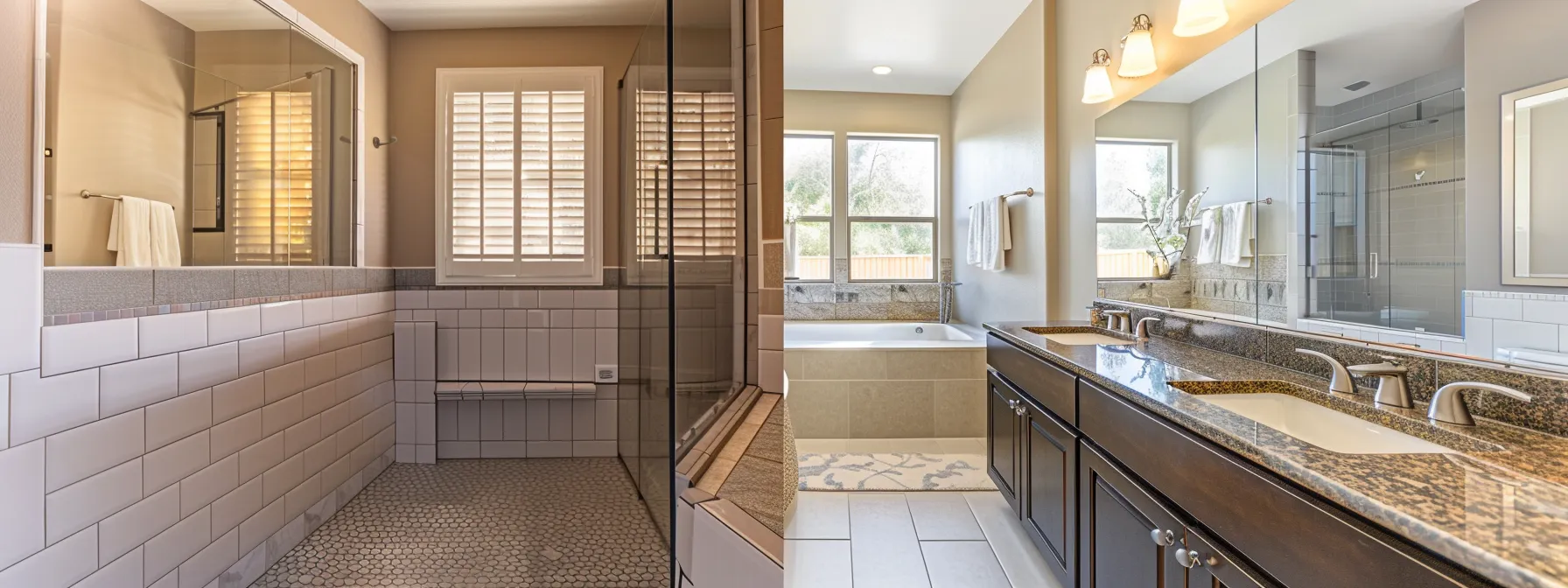
Compare Before and After Values
When you assess the before and after values of your property following a bathroom remodel, the transformation becomes evident. A well-executed resurfacing project not only enhances aesthetic appeal but also addresses practical issues such as waterproofing and structural integrity. With improved finishes on the walls and fixtures, your bathroom can truly become a sanctuary, attracting potential buyers and increasing your home’s marketability.
Before Resurfacing
After Resurfacing
Outdated fixtures
Modern, elegant finishes
Water damage concerns
Enhanced waterproofing solutions
Limited storage options
Optimized space utilization
Poor lighting
Well-lit, inviting atmosphere
Understand Buyer Appeal
Understanding buyer appeal is essential when considering bathroom resurfacing. Potential buyers often value not only the functionality of the space but also its beauty and general aesthetics. With bathroom remodeling, you create an environment that enhances their consumption experience, which can significantly influence their decision-making process, making your home more attractive in the competitive market.
Renovating your bathroom can elevate your home’s value, giving you a sense of accomplishment. But what if I told you that bathroom resurfacing also leads to significant cost savings?
Dive Into the Cost Savings of Bathroom Resurfacing
Understanding the financial advantages of bathroom resurfacing compared to a full renovation is crucial for any homeowner. A bathroom remodeling project, while an exciting venture, often incurs significant costs for materials and labor. Assessing these expenses in relation to resurfacing reveals a more budget-friendly route that provides substantial savings without compromising quality. Long-term financial benefits emerge from a resurfacing approach, as it maintains the essential components of hygiene, lighting, and ventilation, keeping your bathroom functional and safe for years to come. Additionally, you can explore ongoing maintenance savings, as resurfaced surfaces tend to require less upkeep, further enhancing the overall value of your investment.
Break Down the Costs of Full Renovation Versus Resurfacing
When you assess the costs associated with a bathroom remodel project, resurfacing stands out as a financially savvy option. A full renovation often involves extensive labor and new materials, leading to significant expenses, particularly for porcelain fixtures that may need replacing due to issues like mildew. By choosing resurfacing, you manage stress while upgrading your space, significantly improving your quality of life without breaking the bank.
Highlight Long-Term Financial Benefits
Long-term financial benefits of bathroom resurfacing become clear when you consider the reduced risk of costly repairs associated with wear and tear. By investing in bathtub refinishing, you not only enhance the aesthetics of your space but also extend the lifespan of your bathtub and grout, avoiding the expense of replacements. This approach allows you to maintain high interior design standards while keeping renovation costs to a minimum.
Explore Maintenance Savings
Choosing bathroom resurfacing can lead to significant maintenance savings over time. Unlike a full bathroom remodel, where new materials may require frequent upkeep, resurfaced surfaces often need less attention and care, allowing you to save money and time. Whether it’s your tiled walls or wood accents around your kitchen cabinet, maintaining these surfaces becomes simpler, ensuring a better return on investment for your home.
Bathroom resurfacing not only offers remarkable cost savings but also brings swift results. Get ready to discover just how quickly you can transform your space into something new and vibrant!
Unveiling the Quick Turnaround Time for Resurfacing Projects
Understanding the typical timeline of a resurfacing project can highlight its efficiency and advantages when considering home improvements. Resurfacing usually demands less time than a comprehensive remodel, which often involves extensive renovations and potential structural changes. In contrast, resurfacing can refresh surfaces quickly, addressing issues such as mold on walls or outdated finishes without significant downtime. With a smooth and streamlined process, you can expect to enjoy improved usability in your space sooner rather than later, allowing you to focus on everyday enjoyment. Additionally, while laminate flooring may take longer to install, resurfacing your bathroom elements can ensure that your upgrades seamlessly integrate into your home, ensuring durability and style without the lengthy disruption associated with larger remodeling efforts.
Outline the Typical Timeline of a Resurfacing Project
In a typical resurfacing project, the process can often be completed within a few days, making it an efficient alternative to a full kitchen remodel or extensive bathroom renovations. Your contractor will begin by assessing necessary updates, particularly for areas like the shower and tub, ensuring that everything meets your specific needs. With a robust warranty backing these bathroom remodeling services, you can rest assured that your investment not only improves aesthetics but also aligns with opportunities for aging in place, enhancing the home’s functionality for years to come.
Compare Timelines: Resurfacing vs. Full Remodel
When you compare timelines between resurfacing and a full remodel, the efficiency of resurfacing becomes clear. Typically, resurfacing projects are completed in a matter of days, allowing you to quickly enjoy your improved space. In contrast, a full remodel can take weeks or even months, involving extensive work from professional bathroom remodelers and significant disruptions to your daily life.
Discuss How Quick Updates Lead to Faster Usability
When you opt for bathroom resurfacing, you benefit from a rapid transformation that translates directly into improved usability. Unlike extensive remodels that can disrupt your daily routines for weeks, resurfacing projects generally take only a few days, allowing you to quickly enjoy your updated space. This swift turnaround means you can safeguard your home’s functionality with minimal interruption, maximizing your convenience and comfort almost immediately.
Experience a stunning transformation in record time as your bathroom surfaces regain their charm. Elevate your home’s aesthetics with expert bathroom resurfacing that breathes new life into your space.
Elevate Your Home’s Aesthetics With Bathroom Resurfacing
Exploring bathroom resurfacing unveils a world of design potential tailored to your preferences. You can choose from a diverse array of finishes and styles, allowing you to customize your space to reflect your unique tastes. This transformation not only rejuvenates the look of your bathroom but also elevates its overall aesthetics, creating a cohesive and inviting atmosphere. With a variety of design possibilities, from sleek modern surfaces to classic textures, the options are boundless. Embrace the opportunity to craft a bathroom that inspires and delights, ensuring it becomes a stunning focal point in your home.
Showcase the Versatility of Finishes and Styles
When you consider bathroom resurfacing, you’ll find a wealth of finishes and styles available to customize your space. From glossy modern surfaces that reflect light beautifully to matte textures that offer a touch of elegance, these options allow you to tailor your bathroom to your personal aesthetic. This flexibility not only enhances the overall appearance of your home but also ensures that the new design creates a harmonious flow with your existing decor.
Detail the Impact on Overall Bathroom Aesthetics
Bathroom resurfacing has a profound effect on the overall aesthetics of your space, transforming an outdated area into a modern retreat. By upgrading surfaces with fresh finishes, you can create a cohesive look that enhances the beauty of your fixtures and design elements. This not only improves your daily routines but also turns your bathroom into a stylish sanctuary that reflects your personal taste and elevates the overall appeal of your home.
Inspire With Design Possibilities
As you embark on the journey of bathroom resurfacing, consider the myriad of design possibilities available to you. You can incorporate vibrant colors, luxurious textures, and innovative finishes that perfectly align with your taste and lifestyle. This transformation not only breathes new life into your bathroom but also creates a personalized oasis where you can enjoy relaxation and functionality.
Transforming your bathroom enhances its beauty, but there’s more to consider. Discover how resurfacing contributes to a healthier planet while revamping your space.
Embrace the Environmental Benefits of Resurfacing Your Bathroom
Considering bathroom resurfacing brings significant environmental benefits that align with sustainable practices for homeowners. By choosing this method, you effectively reduce landfill waste, as resurfacing uses existing materials instead of discarding them in landfills. This approach also emphasizes the use of fewer resources, minimizing the need for new materials, which conserves energy and reduces environmental impact. Additionally, resurfacing contributes to a decrease in harmful emissions generated from the production and transportation of new fixtures. By selecting resurfacing, you not only enhance the beauty of your bathroom but also make a responsible choice for the planet.
Discuss Reduction in Landfill Waste
Choosing bathroom resurfacing significantly reduces landfill waste by extending the life of existing materials. Instead of discarding old fixtures and surfaces, resurfacing allows you to maintain and rejuvenate what you already have, resulting in less debris contributing to overflowing landfills. This mindful approach to home improvement not only conserves resources but also helps to foster a more sustainable lifestyle.
Highlight the Use of Fewer Resources
By opting for bathroom resurfacing, you can significantly reduce your consumption of new materials. This method focuses on revitalizing existing surfaces, effectively minimizing the demand for fresh resources that contribute to environmental degradation. As a result, you not only enjoy a beautifully updated bathroom but also play a part in conserving the planet’s vital resources.
These resource-saving benefits can be summarized as follows:
Utilization of existing fixtures and surfaces
Reduction in the need for new materials
Support for sustainable home improvement practices
Explore the Decrease in Harmful Emissions
Choosing to resurface your bathroom instead of opting for a full remodel significantly contributes to a reduction in harmful emissions. By minimizing the production and transportation processes required for new fixtures and materials, you help decrease air pollutants associated with manufacturing. This decision not only enhances your home’s aesthetics but also reflects a commitment to a healthier environment.
Resurfacing your bathroom offers an eco-friendly upgrade, but it also opens the door to improved safety and functionality. Discover how this simple process can create a space that is both beautiful and practical for your everyday needs.
Enhance Safety and Functionality Through Resurfacing
Improving safety and functionality in your bathroom becomes straightforward with resurfacing options. You can focus on slip-resistant surfaces, which significantly reduce the risk of accidents, especially in a wet environment. Upgrading your fixtures not only enhances daily usability but also makes your space more accessible for everyone in your household. Furthermore, incorporating modern materials elevates overall safety, ensuring your bathroom remains not only stylish but also secure. These enhancements provide peace of mind, transforming your bathroom into a functional sanctuary that meets the needs of your family.
Address Slip-Resistant Surfaces and Their Benefits
When renovating your bathroom, incorporating slip-resistant surfaces is essential for enhancing safety. These surfaces can significantly reduce the risk of falls, especially in areas prone to moisture. By prioritizing safety features in your resurfacing project, you create a more secure environment for all family members, which is particularly beneficial for children and seniors.
Upgrade Fixtures for Better Functionality
Upgrading fixtures is an effective way to improve functionality in your bathroom. By choosing modern sink designs, efficient faucets, and user-friendly showerheads, you enhance convenience and accessibility for all users. Not only does this elevate your daily experience, but it also contributes to the overall value of your home.
Old Fixtures
Upgraded Fixtures
Standard faucets
Touchless or sensor-activated faucets
Outdated showerheads
Water-saving showerheads
Limited storage vanities
Multi-functional vanities with built-in organization
Basic lighting
Adjustable LED lighting fixtures
Implementing these upgrades ensures a more practical space that meets your needs while also appealing to potential buyers.
Improve Overall BathroomSafety With Modern Materials
Incorporating modern materials into your bathroom redesign can significantly boost safety by providing durable and slip-resistant surfaces. These enhancements not only minimize the risk of slips and falls but also promote long-lasting performance under everyday use. By prioritizing these materials, you create a safer environment that enhances your daily experience and caters to the diverse needs of all family members.