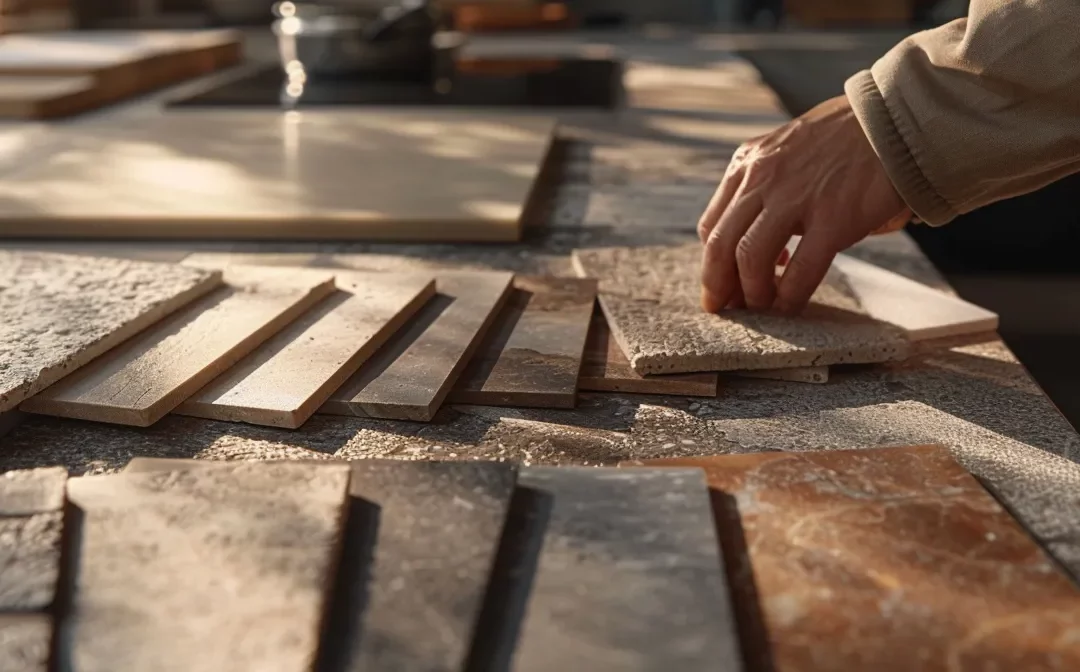
Polyester vs. Polyurethane: Which Is Better for Countertop Resurfacing?
When planning bathroom and kitchen resurfacing, choosing the right material can significantly impact both functionality and design. Polyester and polyurethane offer distinct advantages and considerations, particularly when dealing with moisture resistance and stain resilience. The Master Builders Association Victoria emphasizes the importance of selecting a durable solution to protect countertops from everyday wear and tear. Understanding the differences between these two coatings not only aids in making informed decisions but also ensures that your renovated surfaces maintain their beauty over time. Keep reading to uncover the essential factors influencing your choice between polyester and polyurethane for your countertop needs.
Key Takeaways
polyesterresin offers durability but may struggle with high temperatures and certain chemicals
polyurethane provides superior resistance to wear, moisture, and chemicals in kitchen environments
consider environmental impacts when choosing between polyester and polyurethane for countertop resurfacing
initial costs for polyester are lower, but polyurethane may offer better long-term performance
the aesthetic finish options vary significantly between polyester and polyurethane, impacting your design choices
Understanding the Basics of Polyester for Countertop Resurfacing
Understanding the composition of polyester resin is vital for making an informed choice about bathroom and kitchen resurfacing. This synthetic material consists of multiple components, including a base resin and specific fillers that enhance its properties. One notable advantage of using polyester in your kitchen surfaces is its ability to resist mold and withstand wear over time, making it an excellent option for those who prioritize durability. However, keep in mind that polyester may not be as resilient against high temperatures and certain chemicals, which can limit its performance on kitchen countertops. Additionally, the application of dye in polyester can yield stunning finishes, but be cautious about dust accumulation during the curing process, as it can affect the final appearance. Balancing these factors will help you determine if polyester is the right choice for your resurfacing project.
The Composition of PolyesterResin
When considering polyester for countertop resurfacing, it’s essential to recognize its fundamental composition. Polyesterresin is primarily made from a liquid base that combines with various agents, including wax and fillers, to enhance its attributes. This interaction creates a robust medium that can provide lasting results with the proper application and care.
Liquid base forms the foundation of polyesterresin.
Wax and fillers improve the resin‘s durability and finish.
The composition contributes to the overall performance of resurfaced countertops.
Advantages of Polyester in Countertop Applications
Choosing polyesterresin for bathroom and kitchen resurfacing offers several advantages that you may find beneficial. Its durability makes it a practical choice for high-traffic surfaces, while its compatibility with additives allows for versatile finishes. You can apply coatings with a spray technique that ensures an even application, enhancing the overall aesthetic with a polished look:
Resistant to moisture and mold, ensuring longevity.
Easy application methods, including spray techniques.
Can be adjusted with additives like caulk or oils for desired characteristics.
Compatible with polystyrene, enhancing impact resistance.
Limitations of Polyester for Kitchen Surfaces
While polyester offers a range of benefits, it does have some drawbacks for kitchen surfaces bathroom and kitchen resurfacing. Its susceptibility to certain solvents can lead to adverse chemical reactions, compromising its integrity over time. For kitchen environments, where stainless steel appliances and surfaces often coexist, considering polyurethane may be a better choice, as it tends to be more environmentally friendly and resistant to high temperatures and stains Master Builders Association Victoria.
Having grasped the fundamentals of polyester, it’s time to shift gears and discover the remarkable properties of polyurethane. This material plays a pivotal role in achieving a stunning finish for your countertops, adding durability and elegance.
Exploring Polyurethane’s Role in Countertop Finishing
Polyurethane coatings present a robust alternative for countertop resurfacing, standing out for their unique properties. These coatings excel in providing a solid protective layer, effectively resisting damage from corrosion and wear. Unlike polyester, polyurethane offers superior durability, particularly for butcher block surfaces that require resilience against spills and stains. The benefits of using polyurethane over polyester extend to its ability to handle organic compounds better, making it an excellent choice for kitchen environments. As you evaluate your options, understanding when to choose polyurethane will guide you toward making an informed decision for your specific countertop needs.
Key Properties of Polyurethane Coatings
Polyurethane coatings provide a remarkable protective layer for various surfaces, including butcher block countertops and bathtubs. Known for their resistance to wear, these coatings maintain their integrity even in high-traffic areas, ensuring lasting performance. Additionally, polyurethane applications can incorporate foam additives for enhanced durability, making them ideal for environments where spills and stains are common, like kitchens and bathrooms with cement surfaces.
Benefits of Using Polyurethane Over Polyester
Choosing polyurethane over polyester for countertop resurfacing can significantly impact your project’s outcome. Polyurethane offers a higher glossfinish, enhancing the aesthetics of cabinetry and substrates, making your woodworking projects stand out. Additionally, its superior resistance to moisture and chemicals makes it ideal for environments like kitchens and showers, where durability and easy maintenance are crucial.
When to Choose Polyurethane for Your Countertops
Selecting polyurethane for your countertops is particularly advantageous in construction projects that involve high-performance needs. This material excels in environments where exposure to volatile organic compounds is a concern, ensuring that your surfaces remain safe and stable over time. Furthermore, if you are utilizing fiberglass or other plastic elements in your design, polyurethane bonds well, offering a practical solution that enhances both functionality and aesthetics.
Understanding how polyurethane enhances countertop finishes leads us to an important comparison. Let’s dive into the durability and lifespan of polyester versus polyurethane and see which material truly stands the test of time.
Durability and Lifespan: Polyester vs. Polyurethane
In the comparison of durability and lifespan between polyester and polyurethane, understanding how each material withstands daily wear and tear is essential for making the right choice for your countertop resurfacing. Polyester, commonly used in applications like bathtub refinishing and tile resurfacing, offers a strong, glossy finish, but its resilience can diminish over time, particularly under heavy use. On the other hand, polyurethane, often preferred for its robust varnish-like properties, provides greater endurance and longevity, standing up well against spills and stains. Assessing these factors can help you choose the best brand and product that will meet your specific needs and expectations for your surfaces.
How Polyester Stands Up to Daily Wear and Tear
Polyesterresin delivers a glossy finish that’s visually appealing, yet it may face challenges when it comes to everyday wear and tear. In environments like a bathroom, the high humidity can lead to issues such as etching, which diminishes its aesthetic appeal. Furthermore, while you can use sandpaper to restore its surface, frequent abrasion may weaken the material over time, raising concerns about its longevity and potential toxicity in older formulations.
Assessing Polyurethane‘s Endurance and Longevity
When you evaluate polyurethane‘s endurance, it’s clear it stands out in various applications, particularly for concrete or marble surfaces. Its resilience against abrasives, such as sand, reduces the impact of daily use. Additionally, polyurethane‘s compatibility with acrylic paint allows for seamless aesthetic enhancements without compromising its longevity, making it an ideal choice for any countertop resurfacing project.
As we explore the strengths of polyester and polyurethane, let’s shift our focus to how these materials influence the visual appeal of your space. The aesthetic outcomes of each option can make a significant difference in your renovation, so let’s compare their unique characteristics.
Comparing the Aesthetic Outcomes of Polyester and Polyurethane
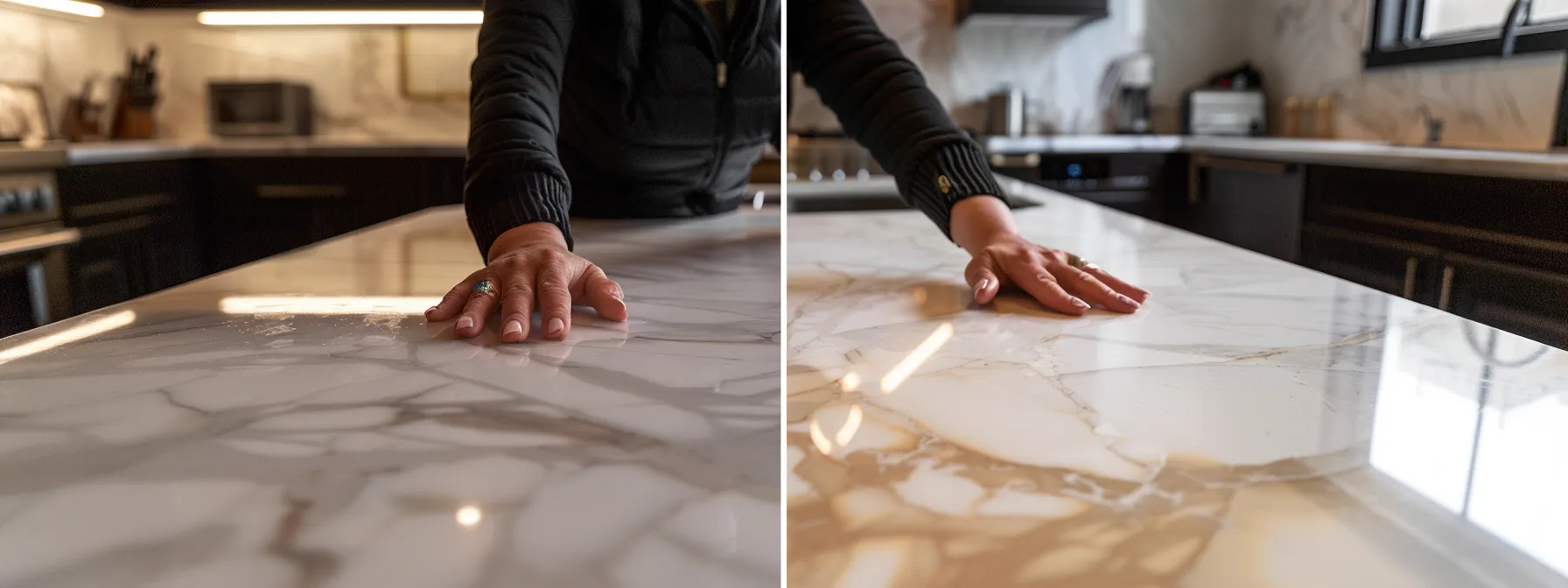
The aesthetic outcomes for countertop resurfacing depend significantly on your choice between polyester and polyurethane. Polyester-coated surfaces typically offer a high-glossfinish, enhancing the natural beauty of materials like mineral composites. This approach showcases the underlying colors and patterns, creating a striking visual effect. On the other hand, polyurethane finishes provide a variety of options tailored to your design preferences, with an array of textures and sheens that can suit diverse tastes. The adhesion properties of both materials play a critical role in achieving a smooth, durable surface that withstands everyday use. With the knowledge of the finishes available in the market, you can make an informed decision that balances quality and price while elevating the aesthetics of your countertops.
The Finish Quality of Polyester-Coated Countertops
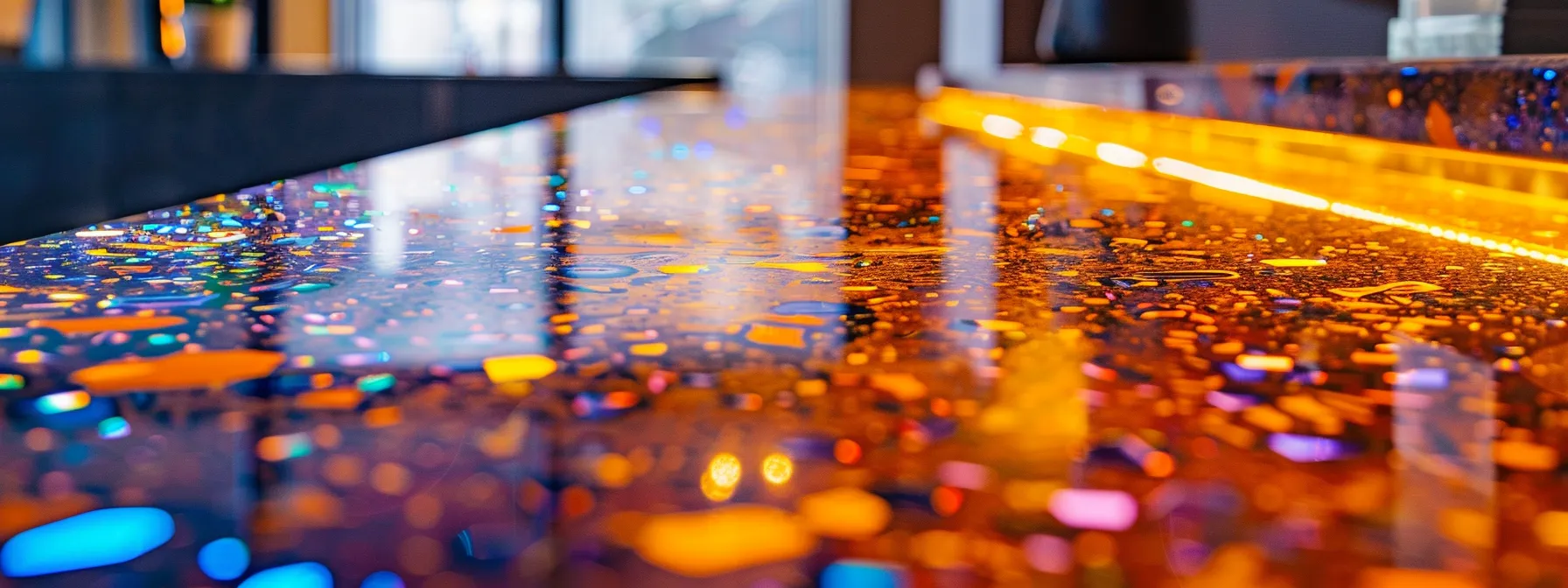
The finish quality of polyester-coated countertops is defined by a smooth, glossy surface that highlights the beauty of your choice of material, whether it’s porcelain or granite. This quality is achieved through a specific mixture that includes additives for hardness, which enhances resilience against scratches and everyday wear. When applying finishes, using a brush can help achieve an even coat, ensuring that every corner, including around the sink, is covered effectively.
Aspect
Polyester Coated Countertops
Finish Texture
Smooth and glossy
Material Compatibility
Porcelain, granite, and more
Durability
Good hardness; scratch resistant
Application Method
Brush for even coverage
Common Areas
Including around the sink
Visual Appeal and Varieties in Polyurethane Finishes
Polyurethane finishes offer a wide array of visual options, enhancing both aesthetic appeal and functionality. You can achieve various styles, from high-gloss coats that accentuate granite surfaces to more subdued, matte finishes that provide a sophisticated look without overpowering the design. Additionally, the versatility of polyurethane allows for unique applications, such as a gelcoatfinish, which provides a durable layer that protects underlying materials while enhancing their beauty.
High-glosspolyurethane adds shine to granite surfaces.
Matte finishes provide elegance without overwhelming designs.
Gelcoat applications enhance durability while beautifying surfaces.
As you weigh the visual appeal of polyester and polyurethane, cost becomes a pivotal factor in your decision. Let’s break down the financial implications of choosing between these two coatings.
Cost Analysis: Polyester and Polyurethane Coatings
Evaluating the cost of countertop resurfacing involves understanding both the initial installation and ongoing material expenses associated with polyester and polyurethane coatings. Polyester offers a more budget-friendly option at the onset, primarily due to its simpler application process. However, consider factors such as how humidity can affect the longevity of the material, potentially leading to additional costs over time. On the other hand, polyurethane applications often come with a higher price tag, attributed to their advanced polymer technology that enhances durability and performance, especially in environments prone to spills and odors. By weighing the installation costs alongside the durability and maintenance needs of each option, you can make a more informed decision that best suits your kitchen or bathroom flooring demands while accommodating the material compatibility with metal and other surfaces.
Initial Installation and Material Costs for Polyester
When considering the initial installation and material costs for polyester coatings, you will find that it typically presents a more affordable option than polyurethane. The straightforward application process allows you to save on labor costs, while materials such as putty and seal coat add to its budget-friendly appeal. Keep in mind that if your countertops are already coated with woodstain or if you are working with steel surfaces, appropriate preparations will be necessary to ensure proper adhesion and long-lasting results.
Polyester coatings are generally more cost-effective.
Simple application reduces labor expenses.
Materials like putty and seal coat contribute to overall affordability.
Surface preparations are essential for steel and stained wood countertops.
Understanding the Pricing for Polyurethane Applications
The pricing for polyurethane applications often reflects the robustness and durability of the material, especially when applied to surfaces exposed to heavy use. For instance, whether resurfacing a deck or a kitchen countertop, the costs can increase due to the material’s resistance to abrasion and ability to withstand challenges like flooding. Additionally, when integrating polyurethane with other elements, such as ceramic tiles or iron fixtures, it’s essential to consider how these interactions may influence the overall budget.
Polyester and polyurethane coatings offer impressive benefits, but their impact on the environment cannot be overlooked. Transitioning to the next phase of our discussion, let’s examine the environmental considerations and safety profiles associated with these coatings.
Environmental Considerations and Safety Profiles
Evaluating the environmental implications and safety profiles of both polyester and polyurethane is essential as you consider your options for countertop resurfacing. Polyester, known for its ease of application during the curing process, often contains fewer harmful components compared to some alternatives. This eco-friendliness can extend to its role in wood finishing options, maintaining a commitment to reducing overall environmental impact. On the other hand, polyurethane is a robust candidate in performance but does raise concerns regarding its interactions with certain acids and chemicals during usage, particularly in kitchen environments. When making choices for a cutting board or other food-related surfaces, assessing these factors helps in determining the most reliable and sustainable option for your needs. As you weigh these options, consider how they align with your values; after all, a comprehensive review may lead you to click “add to cart” with confidence.
Eco-Friendliness of Polyester in the Resurfacing Process
Polyester offers an eco-friendly advantage in the countertop resurfacing process, as it typically contains lower levels of harmful chemicals compared to some other materials. This characteristic makes it safer for both your indoor environment and health, as it emits fewer volatile organic compounds (VOCs). When maintaining your surfaces, using mild soap and water can help you avoid introducing additional harmful substances while keeping your countertops clean and pristine:
Lower levels of hazardous chemicals
Reduced VOC emissions for a healthier indoor atmosphere
Simple maintenance with standard soap and water
Polyurethane‘s Environmental Impact and Usage Safety
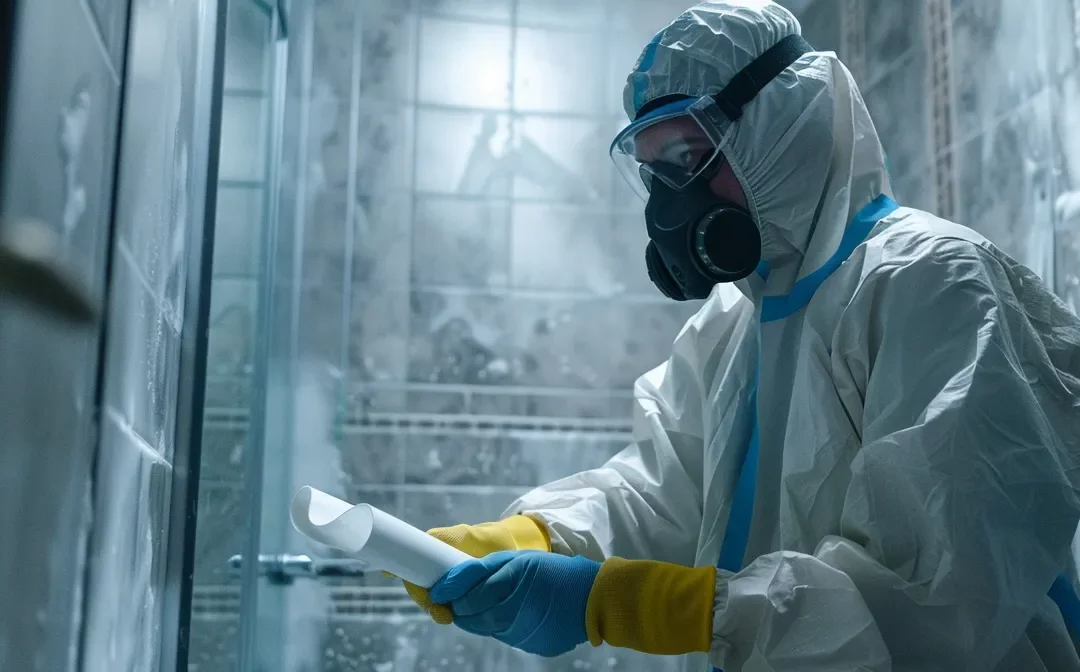
Polyurethane coatings are highly effective but come with certain environmental considerations. They often contain higher levels of volatile organic compounds (VOCs), which can contribute to air quality issues during application and curing. Therefore, ensuring adequate ventilation and using appropriate safety gear while working with polyurethane will help mitigate any potential health risks associated with its use.
Choosing the Right Expert for Your Bathroom Resurfacing Needs
When considering bathroom and kitchen resurfacing, selecting the right expert is paramount. Aligning with standards set by organizations like the Master Builders Association Victoria ensures you’re on the right path. A reputable expert not only provides a warranty on their work but also offers quality solutions for bathroom additions and flooring, enhancing both functionality and aesthetics. Finding a skilled resurfacing professional will save you time and frustration while delivering stunning results. Keep reading to uncover key factors to consider and how to streamline your resurfacing project.
Key Takeaways
Choose a bathroom resurfacing expert with relevant experience and proven reliability
Ensure the contractor has proper licensing and insurance to protect your investment
Examine past projects and customer reviews to assess craftsmanship and trustworthiness
Understand the warranty offered to secure coverage for potential defects after the renovation
Prioritize quality materials for a durable, aesthetically pleasing, and long-lasting bathroom
Key Factors to Consider Before Hiring a Bathroom Resurfacing Expert
Choosing a bathroom and kitchen resurfacing expert from Master Builders Association Victoria requires careful thought. You need to consider several factors to ensure you select a professional who not only meets your aesthetic desires but also respects the structural integrity of your property. Start by evaluating the expert’s experience and specialization, as these aspects can make a significant difference in the outcome of your project. Assessing the quality of past projects and reading customer reviews will help you gauge their level of craftsmanship and reliability. Ensure that the professional holds proper licensing and insurance, as this protects you and your investment. Understanding the warranty or guarantee offered is crucial, as it reflects the confidence the expert has in their work. Lastly, comparing quotes thoughtfully can lead you to the best overall value, allowing you to achieve that dream bathroom without sacrificing quality for price. Whether your goal is to transform surfaces with luxurious marble or to ensure a functional drain system, making informed decisions will help you create an accessible space tailored to your needs.
Evaluate the Expert‘s Experience and Specialization
When assessing a bathroom resurfacing expert, pay close attention to their experience and specialization. An expert with a strong background in bathroom renovations may have also acquired skills beneficial for related projects, such as kitchen remodeling. Their familiarity with different materials and techniques ensures that they can address issues like mold in basements or provide innovative solutions tailored to your space needs.
Factor
Importance
Example
Experience
Indicates reliability and expertise
Years of successful bathroom resurfacing projects
Specialization
Ensures relevant skills for your project
Expert in both bathroom and kitchen remodeling
Ability to Handle Issues
Protects your home from potential damage
Knowledge of mold remediation in basements
Price
Influences the overall budget
Providing various options that fit your financial plan
Assess the Quality of Past Projects and Reviews
Examining the quality of past projects and customer reviews is essential in your selection process for a bathroom resurfacing expert. Look for a portfolio that showcases a variety of bathroom remodeling projects, highlighting completed jobs that align with your vision, especially if you desire specific features like a redesigned bathtub. Engaging a general contractor known for transparency will provide you with insights into the expert‘s reputation and work ethic, ultimately enabling you to make a confident decision.
Factor
Considerations
Benefits
Past Projects
Variety in style and scope
Assures expertise in diverse projects
Customer Reviews
Feedback from previous clients
Provides trust and reliability
Transparency
Open communication about the process
Enhances your confidence in workmanship
Check for Proper Licensing and Insurance
Ensuring that your bathroom resurfacing expert possesses the proper licensing and insurance is vital for safeguarding your investment. Certification from relevant authorities confirms their knowledge of industry standards, while insurance protects you from unexpected issues that may arise, such as damage to a countertop or plumbing fixture during the project. Additionally, checking their standing with organizations like the Better Business Bureau helps verify their credibility and commitment to providing a reliable bathroom remodeling service.
Understand the Offered Warranty or Guarantee
When hiring a bathroom resurfacing expert, it is essential to understand the warranty or guarantee they offer to ensure your cabinetry, shower, and ventilation are covered against potential defects. A robust warranty reflects their commitment to customer satisfaction and signifies confidence in their workmanship. By prioritizing experts who offer clear terms of customer service regarding warranties, you can protect your investment and enjoy peace of mind after the renovation is complete.
Compare Quotes for Best Value, Not Just Price
When evaluating quotes for bathroom resurfacing, focus on the overall value rather than merely the price. Look for professionals who demonstrate innovation in their approach, ensuring they can handle all aspects of construction and demolition seamlessly. This becomes especially crucial if you’re considering aging in place modifications, as quality bathroom remodeling services will accommodate your long-term needs without compromising on aesthetics or functionality.
As you weigh your options for a bathroom resurfacing expert, consider the impact that professional knowledge can have on your project. Understanding the depth of their experience not only protects your investment but also transforms your vision into reality.
Decoding the Importance of Professional Expertise in Bathroom Resurfacing
The expertise of professionals in bathroom resurfacing plays a critical role in achieving desired results and ensuring the project is executed smoothly. Their technical skills directly influence the resurfacing outcomes, allowing for precision and a polished final look that meets your expectations. Additionally, the use of professional-grade equipment enhances efficiency, minimizing disruptions during your renovation. These experts also prioritize sustainability by selecting high-quality materials that promote longevity. Whether you’re updating a sink or completely transforming your bath remodel, their knowledge ensures that your investment not only looks great but also adheres to safety standards and withstands the test of time.
The Role of Technical Skills in Resurfacing Outcomes
The technical skills of an expert in bathroom resurfacing significantly impact the final results of your project. Their expertise not only enhances the beauty and accessibility of your bathroom but also integrates water conservation methods into the design. With a professional bathroom remodeling approach, they ensure that each detail, from surface preparation to finish application, meets high standards of durability and aesthetic appeal.
Skill
Importance
Benefit
Surface Preparation
Key to a lasting finish
Prevents future issues with peeling or chipping
Material Selection
Ensures durability
Aids in maintenance and water conservation
Aesthetic Design
Enhances visual appeal
Creates a beautiful, welcoming space
Installation Techniques
Directly affects functionality
Ensures optimal accessibility for all users
The Impact of Professional Equipment on Efficiency
Utilizing professional equipment can greatly enhance the efficiency of your bathroom resurfacing project. A skilled bathroom remodeling contractor will use advanced tools and techniques, ensuring precise work that minimizes disruptions to your daily routine. This commitment to quality not only improves the overall aesthetic of your space but also positively impacts your quality of life, especially in creating an inviting atmosphere that takes advantage of optimal lighting.
When you engage a reputable contractor, you often benefit from a free estimate that clearly outlines the scope of work, helping you understand the timeline and costs involved. This transparency allows you to make informed decisions as you transform your bathroom into a space that reflects your style while maximizing its functionality.
How Experts Ensure Longevity Through Quality Materials
When embarking on a bathroom resurfacing project, experts prioritize the selection of high-quality materials to ensure long-lasting results. Choosing durable tile and robust carpentry elements not only enhances the aesthetic appeal of your space but also adds structural integrity, setting a solid foundation for your home improvement efforts. This skillful approach can lead to a bathroom that withstands wear and tear, allowing you to enjoy your investment for years to come.
Recognizing the value of professional expertise sets the stage for discerning quality in your project. Now, let’s explore the key indicators that reveal exceptional workmanship and premium materials in bathroom resurfacing.
How to Identify Quality Workmanship and Materials
Identifying quality workmanship and materials is crucial when working with bathroom remodel contractors. You’ll want to look for hallmarks of high-quality resurfacing work that demonstrate a contractor’s commitment to excellence. Consider asking specific questions about the materials and techniques they utilize in the process, as these choices can significantly impact the longevity and appearance of your bathroom remodel. Furthermore, understanding the long-term benefits of quality products not only enhances your satisfaction but also instills pride in your investment. Engaging with reliable bathroom remodeling contractors can help answer common questions in your FAQ, guiding you towards a successful renovation that meets your expectations.
Identifying Hallmarks of High-Quality Resurfacing Work
To identify hallmarks of high-quality resurfacing work, examine the overall finish and attention to detail. Look for smooth surfaces without imperfections, consistent color, and well-finished edges that demonstrate craftsmanship. Don’t hesitate to reach out to contractors via their email address to inquire about the materials and processes they employ; this communication can provide insight into their commitment to quality.
Questions to Ask About Materials and Techniques Used
When discussing your project with potential contractors, ask specific questions regarding the materials they intend to use for your bathroom resurfacing. Inquire about the sources of these materials, their durability, and how they hold up against moisture and wear over time. Additionally, you should probe into the techniques they employ during the resurfacing process to ensure that their methods align with best practices for achieving a seamless and long-lasting finish.
Understanding the Long-Term Benefits of Quality Products
Investing in high-quality products for your bathroom resurfacing project ensures durability and longevity. These products not only stand up to daily wear and tear but also enhance the overall aesthetic, providing a space that remains appealing over the years. By prioritizing quality, you set the stage for fewer repairs and lower maintenance costs in the future:
Benefit
Reason
Impact
Durability
Quality materials withstand everyday use
Minimizes the need for frequent repairs
Aesthetic Appeal
Superior finishes enhance overall look
Maintains a modern and inviting atmosphere
Cost-Effectiveness
Long-lasting products reduce replacements
Improves overall value of your investment
Understanding the quality of workmanship and materials is just the beginning. Next, let’s break down the cost-benefit analysis of hiring resurfacing professionals and see how it impacts your project’s success.
The Cost-Benefit Analysis of Hiring Resurfacing Professionals
Understanding the cost-benefit analysis of hiring resurfacing professionals is essential for making informed decisions about your bathroom project. Weighing the expenses of a DIY approach against the advantages of professional resurfacing reveals important insights. While the initial cost may seem lower for a do-it-yourself solution, the potential for long-term savings through expert workmanship becomes clear. Professionals not only ensure a higher quality finish but also minimize the risk of costly mistakes and project delays, allowing you to enjoy your newly renovated space with peace of mind. Engaging with seasoned contractors can lead to a smooth process and a final result that meets your expectations, making the value of their services worthy of consideration.
Breaking Down the Costs: DIY vs. Professional Resurfacing
When considering bathroom resurfacing, evaluate the costs associated with both DIY methods and hiring professionals. While handling the project yourself might seem more economical upfront, the potential for unforeseen complications can escalate expenses significantly. By choosing a professional, you invest in quality craftsmanship that not only delivers a polished result but also ensures compliance with industry standards, ultimately saving you time and money in the long run.
Long-Term Savings Through Professional Workmanship
Opting for professional workmanship in your bathroom resurfacing project ultimately leads to significant long-term savings. Skilled professionals bring expertise that minimizes mistakes, ensuring a high-quality finish that stands the test of time. As a result, you avoid frequent repairs and replacements, allowing your investment to retain its value longer and enhance your overall satisfaction with the space.
How Professionals Can Avoid Costly Mistakes and Delays
Experienced professionals bring a wealth of knowledge that helps them foresee potential challenges in your bathroom resurfacing project, allowing them to implement effective solutions proactively. Their familiarity with industry standards and best practices significantly reduces the chance of errors that could lead to costly complications. By utilizing their expertise, you can stay on schedule and ensure that the project navigates smoothly from start to finish:
Benefit
Description
Anticipate Challenges
Identify potential issues before they become problems.
Implement Solutions
Use tried-and-true methods that save time and resources.
Maintain Timelines
Keep your project on track, avoiding unnecessary delays.
Hiring resurfacing professionals not only enhances your bathroom‘s aesthetic but also saves you time and effort. To ensure a seamless experience, let’s explore how effective project management can significantly reduce stress throughout the resurfacing journey.
Minimizing Stress With Effective Bathroom Resurfacing Project Management
Effective project management is essential for ensuring a smooth bathroom resurfacing experience. Professionals excel at managing timelines and minimizing disruptions, helping you maintain your daily routine while work is underway. Clear communication and regular updates keep you informed about the progress and any adjustments that may arise, fostering a sense of trust and transparency. Should unexpected issues come up, experienced experts can navigate these challenges with ease, utilizing their knowledge and problem-solving skills to devise solutions that prevent delays and keep your project on track. With their oversight, you can focus on the excitement of your renovation, confident that every detail is being handled proficiently.
How Professionals Manage Timeline and Disruptions
Managing the timeline and disruptions during your bathroom resurfacing project is a key responsibility of professionals. They employ strategic planning and experience to schedule tasks efficiently, ensuring that each phase of the project progresses smoothly. By coordinating tradespeople and materials effectively, they minimize downtime, allowing you to continue your daily routines with minimal interruption.
In addition to adhering to a well-structured schedule, these experts maintain open lines of communication with you throughout the process. They provide regular updates on progress, address any potential obstacles proactively, and adapt to changes as needed. This approach fosters a sense of collaboration, giving you peace of mind as your vision for the bathroom comes to life.
The Importance of Clear Communication and Updates
Clear communication is essential throughout your bathroom resurfacing project. It fosters a collaborative environment where you and your contractor can address concerns and share ideas, ensuring that expectations are aligned at every stage. By receiving consistent updates, you stay informed about the progress and any necessary adjustments, which alleviates any potential stress.
This ongoing dialogue builds trust and reinforces the working relationship, allowing for a seamless renovation experience. It empowers you to participate actively in the decision-making process, enhancing your confidence in the outcome. Here’s what effective communication and updates can achieve:
Strengthen collaboration between you and the contractor.
Provide clarity on project timelines and expectations.
Address any unforeseen issues promptly and efficiently.
Enhance the overall satisfaction with the renovation results.
Dealing With Unexpected Issues: The Professional Advantage
Unexpected issues can arise during a bathroom resurfacing project, but relying on professionals gives you a significant advantage in addressing these challenges. Their extensive experience equips them with the ability to swiftly identify problems and implement effective solutions, reducing potential delays and stress for you. This proactive approach not only minimizes disruption but also ensures that the project stays aligned with your goals.
Issue
Professional Response
Outcome
Surprise plumbing leaks
Rapid assessment and repair
Project timeline maintained
Material availability shortage
Alternative options sourced
Continued progress without delays
Unexpected structural concerns
Immediate evaluation and solution
Ensured safety and integrity
With a skilled contractor managing your project, the chances of error decrease significantly, focusing their expertise on delivering quality results while you remain informed and confident in the process. Their familiarity with common issues allows them to mitigate risks effectively, ensuring that any challenge is seen as an opportunity for improvement rather than a setback. You can trust that their professional insight will transform any unexpected circumstance into a seamless part of your renovation journey.
Navigating the world of bathroom resurfacing can lead to remarkable transformations. Before you settle on an expert, ask the right questions to ensure your project runs smoothly and meets your vision.
Questions to Ask Before Finalizing Your Bathroom Resurfacing Expert
Before you make your final decision on a bathroom resurfacing expert, it’s paramount to seek clarity on several key aspects of their service. First, inquire about their process from start to finish; understanding their approach will give you confidence in their ability to deliver results. Next, discuss how they address unexpected challenges, as this will reveal their problem-solving skills and adaptability. Finally, confirm the details on post-project cleanup and care to ensure your space is left immaculate and that you know how to maintain the features they have installed. These conversations will equip you with the insights needed to choose the right professional for your renovation project.
Inquire About Their Process From Start to Finish
Inquiring about the resurfacing expert’s process from start to finish is essential to ensure a successful project. Ask them to detail each phase, from initial consultation to the final walkthrough, so you can grasp how they plan to manage your renovation. Understanding their procedures will also help you determine how they communicate progress and address any concerns that may arise along the way.
Discuss How They Handle Unexpected Challenges
When discussing the handling of unexpected challenges, it’s vital to understand the proactive measures a resurfacing expert employs. Ask them to share specific examples of how they’ve successfully navigated past complications and what strategies they implement to minimize disruptions during a project. This insight can reveal their adaptability and problem-solving capabilities, which are crucial in ensuring your renovation proceeds smoothly.
Challenge
Expert Strategy
Outcome
Unexpected damage during removal
Immediate assessment and quick repair
Project timeline remains intact
Material shipment delays
Source alternative materials quickly
No halt in work progress
Hidden plumbing issues
Assess and implement solutions on-site
Safe and secure plumbing system
Confirm Details on Post-Project Cleanup and Care
Before finalizing your choice of a bathroom resurfacing expert, clarify their approach to post-project cleanup and care. Ensuring that they have a defined plan for tidying up the workspace and removing debris is vital, as a well-maintained environment post-renovation contributes to your satisfaction with the project. Additionally, inquire about the maintenance procedures for the new surfaces, ensuring that you know how to keep them in optimal condition after the work is completed:
Discuss their strategy for debris cleanup and waste removal.
Request details on how they protect your existing fixtures during the resurfacing process.
Inquire about recommended care and maintenance for the finished surfaces.
Cut Bathroom Resurfacing Expenses With Smart Approaches
When it comes to bathroom and kitchen resurfacing, making smart choices can significantly reduce expenses without compromising quality. With guidance from organizations like the Master Builders Association Victoria, you can learn to optimize your resurfacing projects, whether it involves the shower, floor, or bathtub refinishing. Selecting the right materials and employing effective techniques sets the stage for impressive yet budget-friendly transformations. Explore clever strategies that will get you informed about do-it-yourself tricks, strategic timing, and hiring skilled professionals. Engaging in minimalist design not only enhances aesthetics but also leads to long-term savings. Keep reading to discover how to achieve your dream bathroom without breaking the bank!
Key Takeaways
Choose mid-range materials for durability and long-term savings in your bathroom resurfacing
Timing your project during off-peak seasons can significantly reduce costs
Regular cleaning and maintenance extend the lifespan of your bathroom surfaces and fixtures
Gather multiple quotes from contractors to ensure competitive pricing and quality service
Focus on timeless design to limit frequent renovations and maintain aesthetic appeal
Choose Materials Wisely for Cost-Effective Resurfacing
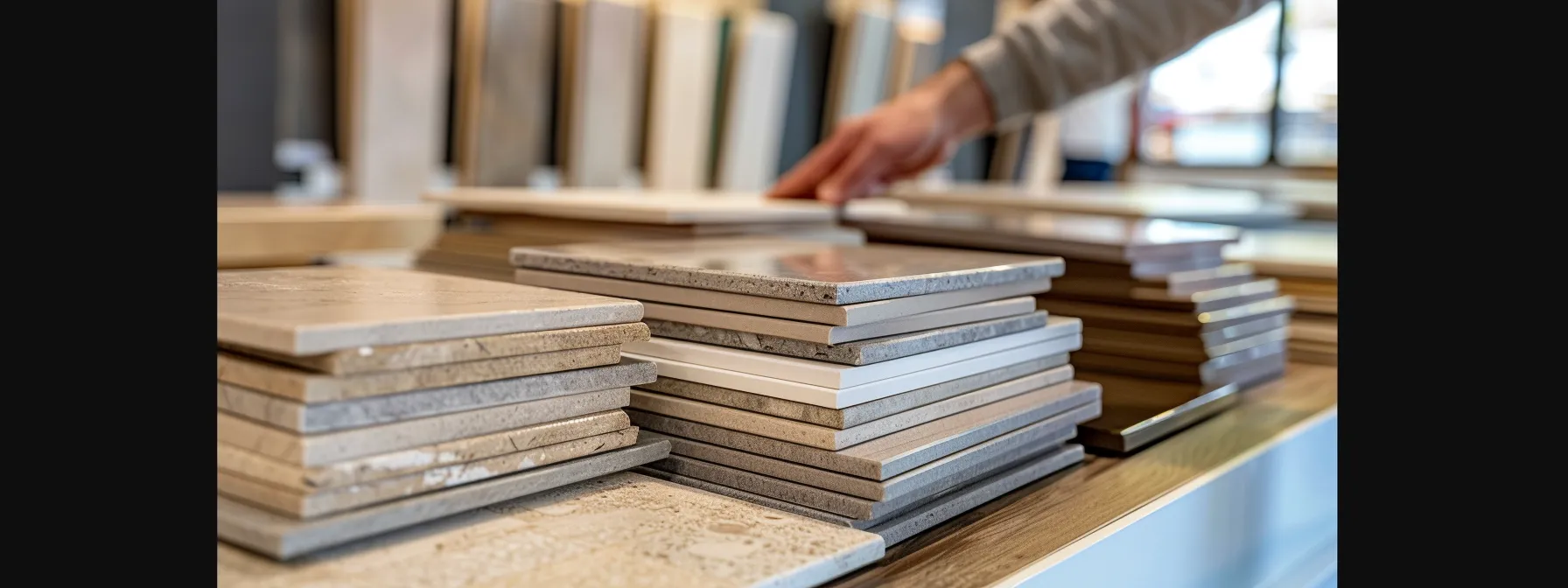
Choosing the right materials for your bathroom and kitchen resurfacing project is essential for managing costs while ensuring quality. Comparing pricing between various materials will help you identify budget-friendly options without sacrificing aesthetics or functionality. Weighing longevity against cost is also vital; investing in materials that endure can lead to significant savings over time. Rather than opting for the cheapest choice, consider mid-range quality selections that promise durability and performance, particularly in large areas like cabinetry and countertops. This strategic approach will not only streamline your renovation but also prepare you for a successful transformation. Don’t hesitate to reach out for a free quote from Master Builders Association Victoria to discuss how you can optimize your resurfacing journey.
Compare Pricing Between Materials
When it comes to selecting materials for your bathroom resurfacing, understanding the cost differences is crucial. For example, while marble may provide an elegant finish, its price point often reflects the extensive mining processes involved. In contrast, materials like epoxy and ceramic glaze offer durability and a range of aesthetic options at a lower cost, especially for surfaces like bathtubs that are subject to daily wear and tear.
Understand the Longevity Versus Cost
When planning your bathroom resurfacing, consider not just the initial costs but also how long the materials will last. For instance, porcelain tiles provide excellent durability and are low-maintenance, making them a wise investment over time. However, if waterproofing is your primary concern, opting for high-quality grout installation can enhance the lifespan of your surfaces, ensuring that your remodel withstands daily use.
Material
Cost
Longevity
Maintenance
Porcelain Tile
Moderate
20+ years
Low
Epoxy Coating
Lower
5-10 years
Moderate
Ceramic Glaze
Moderate
10-15 years
Low
Grout
Low
5-10 years
High
Opt for Mid-Range Quality That Promises Durability
Opting for mid-range quality materials in your bathroomrenovation minimizes the risk of facing costly repairs down the line. Choosing durable options like ceramic tiles can enhance your bathing experience without leading to the headache of frequent replacements. Investing wisely in these materials strikes a balance between aesthetics and long-term functionality, ensuring your space remains both beautiful and practical.
Now that you’ve mastered the art of selecting materials for a budget-friendly resurfacing project, it’s time to explore some practical DIY tricks. Get ready to roll up your sleeves and discover how you can achieve stunning results on your own!
Do-It-Yourself Bathroom Resurfacing Tricks
Embarking on a do-it-yourself bathroom resurfacing project can be a rewarding aspect of home improvement, allowing you to integrate your style into the space while managing expenses. Begin by assessing the scope of your project to understand what can be tackled on your own, and where professional help might be necessary. Gather the required tools and materials ahead of time to ensure a smooth process, minimizing pressure during the renovation. Pay attention to following detailed tutorials to guide your efforts, and prioritize safety precautions to protect yourself while working on the interior design of your bathroom. With careful planning and execution, you can transform your bathroom into a stunning space without breaking the bank.
Assess the Scope of DIY Projects
Before diving into your DIY bathroom resurfacing project, take a moment to assess what tasks you can handle effectively. Consider whether you have the necessary skills to tackle refinishing a sink or if tasks like painting the ceiling are better left to a professional. Gathering your tools and planning your approach at this stage will save you time and help manage costs, allowing you to make environmentally friendly choices while maximizing the potential of your space.
Gather Necessary Tools and Materials
Gathering the right tools and materials is vital for a successful DIY bathroom resurfacing project. For instance, if you plan to work with fiberglass or cast iron surfaces, ensure you have the appropriate safety equipment and high-quality resurfacing products designed for these materials. Additionally, don’t hesitate to request a free estimate to understand the costs involved, especially since many reputable services offer a warranty that covers their work, giving you peace of mind as you embark on your bath remodeling journey.
Follow Detailed Tutorials and Safety Precautions
Embracing a DIY approach in your bathroom remodels can yield satisfaction and significant savings, but it’s paramount to prioritize safety. Before you begin, seek out detailed tutorials that are tailored to the specific tasks at hand; this ensures that you fully understand every step involved in the construction process. Always equip yourself with the necessary safety gear, particularly when working on features like the wall, where precision and protection are essential.
Having a plan in place provides a sense of direction, but safety should never be an afterthought. As you gather information, don’t hesitate to consult an FAQ database for quick answers to common questions that may arise during your project. This proactive approach not only enhances your competence but also allows you to take pride in the successful completion of your bathroom resurfacing efforts.
Step
Importance
Safety Precautions
Gather Tools
Essential for functionality
Use proper equipment
Watch Tutorials
Enhances understanding
Follow along safely
Work on Walls
Improves aesthetics
Use reliable safety gear
Consult FAQs
Clarifies doubts
Quick reference for safety
With your newfound DIY skills, you’re ready to transform your bathroom like a pro. Let’s dive into the critical aspect of timing—discover how to plan your resurfacing project for maximum impact.
Timing Your Bathroom Resurfacing Project
Maximizing your budget for bathroom resurfacing begins with strategic timing and smart choices that can significantly cut costs. Planning your project during off-peak seasons can help you take advantage of lower prices as demand typically decreases. Keep an eye out for special offers or discounts from suppliers, which can make a noticeable difference, especially when working with materials like granite or iron. Additionally, considering partial resurfacing can yield substantial savings while still revitalizing your space. Not only will these approaches help you achieve your bathroom remodeling goals, but they will also help you stay within your budget without compromising quality.
Plan for Off-Peak Seasons
Timing your bathroom resurfacing project during off-peak seasons can greatly benefit your budget. You will likely find lower prices as demand decreases, making it an opportune moment to source materials and hire contractors. Pay attention to seasonal promotions and discounts, which can further enhance your savings while still achieving the desired results for your space.
Seek Out Special Offers or Discounts
To reduce your bathroom resurfacing expenses, actively search for special offers or discounts from suppliers and contractors. Many businesses run promotions, especially during holiday seasons or at the end of product lines, which can significantly decrease your overall costs. By taking the time to research and compare these deals, you can secure quality materials and services at a fraction of the usual price, making your renovation more affordable.
Consider Partial Resurfacing for Savings
Choosing partial resurfacing allows you to refresh your bathroom without the cost of a complete overhaul. Focus on key areas that need attention, such as countertops or tile sections, to achieve a noticeable upgrade while keeping expenditures in check. This targeted approach not only rejuvenates your space but also minimizes the time and effort required for the renovation.
Evaluate areas for partial resurfacing.
Focus on high-impact features like countertops and tiles.
Achieve a fresh look while controlling costs.
As you plan your bathroom resurfacing project, the next crucial step involves finding the right professionals to bring your vision to life. Hiring skilled experts is essential for achieving a stunning and lasting transformation in your space.
Hiring the Right Professionals for the Job
Finding the right professionals for your bathroom resurfacing project can significantly influence both the quality of the work and your overall expenses. Start by gathering multiple quotes to compare pricing, as this will help you identify competitive rates and valuable service offerings. It’s essential to read reviews and check references to ensure that the contractors you consider have a track record of satisfaction among previous clients. Don’t hesitate to negotiate pricing and the scope of work; a collaborative approach can lead to a solution that fits your budget and needs. This careful selection process is vital in ensuring you make informed decisions that will keep your renovation on track and within financial limits.
Get Multiple Quotes for Comparison
When considering professionals for your bathroom resurfacing project, gathering multiple quotes is essential to ensure you find the best value for your investment. This allows you to compare both pricing and services offered, giving you a clearer picture of what to expect from each contractor. Take your time to evaluate these quotes carefully, looking beyond the price to assess the quality and scope of their work.
As you evaluate your options, consider these key factors to inform your decision:
Contractor
Quote Amount
Services Included
Estimated Timeline
Contractor A
$3,000
Full resurfacing, includes warranty
2 weeks
Contractor B
$2,500
Partial resurfacing, excludes warranty
1 week
Contractor C
$3,200
Full resurfacing, materials included
3 weeks
Read Reviews and Check References
Before selecting a contractor for your bathroom resurfacing, take the time to read reviews and check references. Feedback from previous clients provides insight into a contractor’s reliability and quality of work, helping you to make an informed decision. Positive testimonials can enhance your confidence in a professional, while negative ones may raise red flags.
Read client reviews on multiple platforms.
Check references provided by the contractor.
Assess the overall satisfaction of past clients.
Negotiate Pricing and Scope of Work
Engaging in discussions about pricing and the scope of work can lead to savings and tailored services in your bathroom resurfacing project. Be clear about your budget and the specific areas you want addressed during the renovation. Most contractors appreciate transparency and may be willing to adjust their offerings to better align with your financial expectations.
Open a dialogue about your budget constraints.
Identify critical areas for resurfacing.
Request adjustments to services based on your needs.
Finding the right professionals sets a strong foundation for your renovation journey. Let’s explore how embracing minimalist design can enhance your space and save you money over time.
Embrace Minimalist Design for Long-Term Savings
Adopting a minimalist design approach in your bathroom can lead to significant long-term savings while maintaining a stylish appeal. Selecting a timeless design allows you to avoid costly renovations in the future, as this aesthetic transcends fleeting trends. Additionally, investing in quality fixtures minimizes the need for repairs and replacements, ensuring that your bathroom remains functional and pristine with minimal upkeep. Simplifying your layout can further reduce both labor and material costs, making your resurfacing project more efficient and budget-friendly. These strategic choices not only enhance the overall look of your space but also contribute to maintaining financial stability in your renovation journey.
Choose a Timeless Design to Avoid Frequent Updates
Selecting a timeless design for your bathroom resurfacing project not only enhances its visual appeal but also reduces the frequency of updates you may need to undertake. Focus on classic elements, such as neutral color palettes and simple lines, which remain stylish and adaptable over the years. This strategic choice contributes to long-term savings by minimizing the need for costly renovations driven by changing trends.
Invest in Quality Fixtures That Require Less Maintenance
Investing in quality fixtures is a strategic move that pays off in upkeep and longevity. Durable materials not only withstand daily use but also maintain their aesthetic appeal over time, minimizing the frequency of replacements. By focusing on high-quality options for faucets, showerheads, and sinks, you can significantly reduce maintenance needs, allowing you to enjoy a more functional and stylish space without the worry of constant repairs.
Simplify the Layout to Reduce Labor and Material Costs
Simplifying the layout of your bathroom can significantly lower both labor and material costs during resurfacing. By reducing the complexity of the space, you streamline installation processes and minimize the number of materials required. A more straightforward design not only curtails expenses but also enhances the overall functionality and flow of your bathroom, creating an inviting environment on a budget.
Minimalist design not only enhances visual appeal but also sets the stage for future savings. To protect your investment and keep your space looking fresh, regular maintenance is key.
Regular Maintenance to Prevent Costly Overhauls
Maintaining your bathroom through regular upkeep is a proactive strategy that can save you from expensive repairs down the line. Implementing a routine cleaning regimen helps prevent grime buildup, which can lead to more significant issues if left unchecked. Addressing minor problems as they arise prevents them from escalating into costly repairs. Additionally, scheduling annual inspections allows you to identify potential issues before they become major concerns. By taking these smarter approaches, you can ensure your bathroom stays in top condition, ultimately reducing the need for extensive resurfacing efforts.
Perform Regular Cleaning to Avoid Grime Buildup
Incorporating a regular cleaning routine is essential for maintaining the freshness and longevity of your bathroom surfaces. Frequent cleaning helps eliminate dirt and grime buildup that can lead to discoloration or damage over time. By dedicating just a few minutes each week to cleaning, you can keep your bathroom looking new and avoid the costs associated with extensive repairs or resurfacing.
Develop a weekly cleaning schedule to keep surfaces spotless.
Use appropriate cleaning products that are safe for your materials.
Inspect for any signs of wear or damage during each cleaning session.
Address Minor Issues Promptly
Pay close attention to any minor issues that arise in your bathroom, such as small leaks or cracks. Addressing these problems quickly can prevent them from escalating into larger, more costly repairs. Taking immediate action not only saves you money but also extends the life of your surfaces, ensuring your bathroom remains in excellent condition for years to come.
Schedule Annual Inspections to Catch Potential Problems Early
Scheduling annual inspections is a proactive measure that can save you from unexpected expenses during bathroom resurfacing. By routinely assessing your bathroom‘s condition, you can identify subtle issues early on, such as leaks or damaged fixtures, before they escalate into significant problems. This practice not only allows for timely repairs but also extends the lifespan of your surfaces and fixtures, ensuring that your bathroom remains in good shape for years to come.
Understanding the Timeline for Bathroom Resurfacing Projects
When considering bathroom and kitchen resurfacing, understanding the timeline and process is crucial. Factors like the Master Builders Association guidelines and the types of materials, such as porcelain tile, play significant roles in determining the duration of your project. You also need to consider the involvement of professionals like electricians to ensure everything is functional and up to code. Time management can greatly affect your return on investment, making it imperative to have a clear picture of what to expect. Keep reading to learn about the essential steps before you start, the typical timeline for resurfacing projects, and how to prepare for any unexpected delays.
Key Takeaways
Assess your bathroom‘s condition and address any issues before resurfacing begins
Choose high-quality resurfacing materials for durability and long-lasting aesthetics
Consider your bathroom‘s design and functionality to ensure a successful remodel
Understand the timeline and potential delays to set realistic expectations for your project
Communicate consistently with your renovation team to stay informed throughout the process
Key Steps Before Starting Your Bathroom Resurfacing
Before diving into your bathroom and kitchen resurfacing project, it’s crucial to take some key steps that can significantly influence the overall outcome. Start by evaluating the current state of your bathroom, checking for issues like mold that could complicate the resurfacing process. Understanding whether you have a cast iron or a wood structure will guide your material decisions, helping you avoid unnecessary expenses. Next, selecting the right resurfacing materials is essential; consider how they will hold up against dust and moisture over time. Finally, focus on finalizing your resurfacing design, as a well-thought-out plan ensures the transformation aligns with your vision and functional needs.
1. Evaluating the Bathroom‘s Current State
Before beginning your bathroom and kitchen resurfacing project, take time to thoroughly evaluate the bathroom’s current state. Check for any signs of damage, such as cracked grout or faulty plumbing fixtures, as unresolved issues can lead to complications during the remodeling process. If you have a hot tub, ensure its condition aligns with your resurfacing goals, and be prepared to address any necessary repairs in your contract with the renovation team. It’s always good to hire professionals affiliated with the Master Builders Association for quality assurance.
2. Choosing the Right Resurfacing Materials
Choosing the right resurfacing materials is a vital step that can significantly impact your bathroom‘s durability and appearance. Opting for quartz, known for its resistance to water damage, can sweeten your investment by providing a long-lasting and beautiful surface. In New Jersey, where home improvement projects thrive, selecting quality materials ensures you not only enhance the aesthetics but also protect your space from future wear and tear.
3. Finalizing Your Resurfacing Design
As you finalize your resurfacing design, consider how the layout and materials will align with your property’s overall aesthetic and practical needs. Engaging in thoughtful planning will enable you to effectively manage the shower remodel cost, ensuring you achieve your desired look without overspending. If you are a landlord, prioritizing both functionality and appeal can significantly enhance tenant satisfaction, making your bathroom remodel a worthwhile investment.
Once you’ve outlined the key steps for your bathroom resurfacing project, it’s time to focus on the timeline. Understanding how long the resurfacing process takes is crucial for planning and anticipation of your stunning transformation.
Understanding How Long Bathroom Resurfacing Takes
Understanding the timeframe for bathroom resurfacing projects is essential to set realistic expectations for your renovation. On average, most resurfacing tasks, including work on your bathtub, can take anywhere from a few days to a week, depending on the scope of the project. Several factors influence this timeline, such as the condition of existing surfaces, potential encounters with mildew, and any necessary upgrades to electrical wiring or plumbing. If your project evolves into a full bathroom renovation, the duration may extend significantly. Being aware of these elements will help you plan accordingly and ensure a smoother renovation experience.
Average Timeframe for Bathroom Resurfacing
The average timeframe for a bathroom resurfacing project often hinges on various factors, including the condition of existing cabinetry and the complexity of the shower area. If your project involves several elements of construction, such as upgrading fixtures or integrating new interior design concepts, this can extend the overall timeline. Therefore, being clear about your goals and communicating with your renovation team will help ensure that your bathroom remodeling project proceeds smoothly and stays on track.
Factors That Can Affect the Resurfacing Timeline
Several factors can influence the timeline of your bathroom resurfacing project. The condition of existing materials, such as tile or fiberglass, often plays a crucial role; damaged surfaces may require additional prep work before refinishing can begin. Additionally, if you’re working with a real estate agent to enhance your property‘s value, their insights on effective updates can help you focus on necessary renovations that stay within your project’s timeframe.
Factor
Impact on Timeline
Condition of Existing Surfaces
Additional repair work may be needed.
Choice of Materials
Some materials require longer drying times.
Design Complexity
Intricate designs or custom features may slow progress.
Permit Requirements
Obtaining permits can introduce delays.
Each room‘s unique characteristics will also affect the resurfacing timeline; for example, if the bathtub refinishing involves complex plumbing adjustments, this may extend the duration of your project. Planning ahead and anticipating these challenges can help you manage expectations and keep your renovation on track.
Now that you have a clear idea of the timeframe involved, it’s time to dive into the resurfacing process itself. Get ready to learn what you can expect as your bathroom transforms before your eyes.
What to Expect During the Resurfacing Process
As you prepare for a bathroom resurfacing project, it’s beneficial to understand what the process entails day by day. Knowing the steps involved in a full bathroom remodel will help you set realistic expectations and stay organized throughout the complete bathroom renovation. Each phase will require your attention, from assessment and preparation to the finishing touches. Keep a towel handy, as surfaces may be damp during certain stages. This understanding will empower you to manage your time effectively and ensure a smoother transition back to your refreshed space.
Day-by-Day Breakdown of Bathroom Resurfacing
During the resurfacing process, each day will lead you through critical stages that require your attention. Initially, you might see your bathroom stripped down, revealing underlying structures, which can ignite interest in how the new marble surfaces will transform the space. As work progresses, it’s essential to maintain communication with your renovation team, especially if your bathroom is located in a basement where moisture levels may affect the resurfacing process.
You’ve witnessed the transformation during the resurfacing process, and the results are just the beginning. Get ready to explore what happens next and how to maintain your stunning new spaces!
Post-Resurfacing: What Comes After?
After completing your bathroom resurfacing project, it’s vital to understand the next steps to ensure a seamless transition back to using your space. Curing time plays a crucial role in this phase, impacting not only the durability of the finishes but also when you can comfortably return to your bathroom. As you await the final touches—like adding a grab bar or painting the ceiling—you should remain informed about the timeline and the complexity of the tasks ahead. Planning ahead allows you to coordinate with your bedroom layout or any adjacent areas, ensuring everything flows smoothly once you are ready to enjoy your refreshed bathroom.
Curing Time and Final Touches
After completing your bathroom resurfacing project, pay close attention to the curing time required for materials like porcelain to reach their optimal durability. It’s essential to avoid any interactions with installed features, such as light fixtures or pipes, until this process is fully complete to prevent issues like lead poisoning from subpar finishes. Once the surfaces are adequately cured, you can focus on adding the final touches that will enhance your space, ensuring that everything is functional and stylish, as highlighted on platforms like HomeAdvisor.
When You Can Use Your Bathroom Again
Once your bathroom resurfacing project wraps up, you’ll want to know when you can comfortably return to using your space. Typically, the average waiting period before using the sink and other fixtures is about 24 to 48 hours, allowing materials ample time to cure. Make sure to establish communication with your contractor or subcontractor to confirm this timeframe, so your restoration meets safety standards, especially regarding any run of duct work related to ventilation.
You’re on the brink of enjoying your newly resurfaced space, but the journey isn’t over yet. Preparing for potential delays can safeguard your project and ensure everything runs smoothly.
Planning for Unexpected Delays in Resurfacing Projects
In any bathroom resurfacing project, being prepared for potential delays can save you significant time and frustration. Common causes of delays include issues with materials, such as granite or plaster, which may not be readily available or require additional preparation. Problems with lighting fixtures or plumbing components can also slow progress. Working closely with a bathroom remodeling contractor can help you identify these challenges early on, allowing for proactive solutions. By anticipating these obstacles, you can streamline your project timeline and ensure a smoother renovation experience.
Common Causes of Delays and How to Mitigate Them
Common delays in bathroom resurfacing projects can arise from supply chain issues that lead to the unavailability of essential materials. If bathroom remodelers encounter difficulties sourcing items like tiles or fixtures, it can stall progress, pushing your project timeline back. To mitigate these risks, establish a reliable communication channel with your team to regularly check on material statuses and adapt your plans accordingly.
Additionally, when working on surfaces such as walls and floors, the chance of encountering unexpected repairs might arise, which can delay completion. Make sure to ask about the warranty options for the materials and work performed to safeguard your investment. Understanding the entire scope of the project from the outset helps in planning for these possibilities:
Identify potential supply chain delays early in the project.
Communicate consistently with your bathroom remodelers regarding material availability.
Prepare for possible repairs on walls and floors before starting work.
Unexpected delays can pose challenges, but with the right strategies in place, you can navigate them effectively. Let’s explore some tips to streamline your bathroom resurfacing timeline and ensure a more efficient process.
Tips for a Smoother Bathroom Resurfacing Timeline
Effective scheduling of contractors is essential to streamline the resurfacing process and avoid unnecessary delays. Begin with thorough research to find a reputable general contractor who understands your project needs, particularly regarding complex countertop installations. Preparing your home is equally important; ensure proper ventilation to manage any unpleasant odors, such as those that might arise from materials containing dichloromethane. Taking these proactive steps will help pave the way for an efficient and successful bathroom resurfacing project.
How to Efficiently Schedule Contractors
To efficiently schedule contractors for your primary bathroom remodel, start by prioritizing clear communication about your project’s needs and timelines. Ensure your contractors understand the specific materials you plan to use, like ceramic tiles, as well as any considerations regarding isocyanate-based products that may require additional precautions during installation. Furthermore, maintain a well-ventilated work environment to help manage any fumes generated during resurfacing, keeping both the team and your home safe and comfortable throughout the process.
Preparing Your Home for Resurfacing Work
Preparing your home for resurfacing work is a crucial step that enhances both the efficiency and safety of the renovation process. Start by clearing the area of any personal belongings to minimize the impact of dust and debris that may arise from demolition activities during your bathroommakeover. Additionally, consider making temporary accessibility arrangements; this allows you and your family to navigate around your home comfortably while the project is underway and ensures that everything blends seamlessly once the work on your iron fixtures is complete.
Breaking Down the Costs: DIY vs Professional Bathroom Resurfacing
Bathroom and kitchen resurfacing can breathe new life into tired spaces, particularly in homes facing the inevitable dust and wear and tear that comes with time. Whether you’re considering a DIY approach or hiring a professional, understanding the nuances of resurfacing is essential. The Master Builders Association of Victoria highlights that proper techniques, such as effective caulking and surface preparation, directly influence the longevity and appearance of your renovations. Choosing the right path for your project can save you money or lead to unexpected costs. Keep reading to explore a detailed comparison between DIY and professional resurfacing, uncovering valuable insights to help you make the best choice for your home.
Key Takeaways
assess your bathroom‘s condition to determine the scope of resurfacing needed
consider the costs and materials required for a DIY versus professional project
hiring professionals ensures quality results and addresses underlying issues efficiently
evaluate your skill level and time availability before deciding on the approach
look for warranties and post-service support when choosing professional resurfacing services
Initial Considerations for Bathroom Resurfacing: Setting the Stage
Before diving into your bathroom and kitchen resurfacing project, it’s vital to evaluate the current condition of your bathroom. Analyzing elements like the bathtub, tiles, and fixtures will guide you in deciding whether you need a simple coat of finish or a more extensive bathtub refinishing. Look for signs of wear, such as scratches or abrasions, and determine whether they compromise the functionality or safety of your space. Additionally, clarify the scope of your project—will you focus solely on aesthetic enhancements, or do you need to address deeper structural concerns? Be mindful of safety, as working with metal surfaces and abrasive materials carries a risk of injury if not handled correctly. Establishing these parameters early on will solidify your plan and ensure a successful renovation.
Assessing the Bathroom‘s Current Condition
Start by taking a close look at your bathroom and kitchen resurfacing, ensuring you identify all areas requiring attention. Use a brush to check for any stains, discoloration, or damage on surfaces, since these issues can affect your choice between a DIY project and hiring professionals. If your home insurance covers renovations, including resurfacing, this could influence your decision by potentially offsetting some costs.
Bathroom Element
Condition Assessment
DIY Potential
Bathtub
Scratches, stains
Possible resurfacing
Tiles
Cracks, loose tiles
Replace or repair
Fixtures
Rust, leaks
Replace recommended
Also, ensure you do a thorough inspection of the roof above your bathroom, as leaks can lead to mold and unnecessary damage. If issues arise, consider whether a DIY roof repair fits your skills and resources, or if hiring a professional Master Builders Association of Victoria makes more sense for your long-term safety and investment bathroom and kitchen resurfacing. Addressing these conditions accurately will help you allocate your renovation budget effectively:
Deciding on the Scope of Your Resurfacing Project
As you decide on the scope of your resurfacing project, it’s important to gear your approach based on both the condition of your bathroom and your budget. Understanding whether a simple update or a more comprehensive professional bathtub refinishing is necessary can help you navigate the expense effectively. By carefully assessing your needs, you can avoid unnecessary soil in your renovation journey and stay focused on the road ahead.
As you envision your dream bathroom, it’s crucial to understand the financial aspects of resurfacing. Let’s break down the costs of DIY bathroom resurfacing so you can make informed decisions on your project.
Breaking Down the Costs of DIY Bathroom Resurfacing
Understanding the costs associated with a DIY bathroom resurfacing project requires careful consideration of the essential materials and tools. Start by assessing what you need, including sandpaper, epoxy, and other supplies to ensure a smooth and durable finish. Make a comprehensive list that includes every item, from adhesives to protective gear, as these expenses will add up. Additionally, consider any moisture barriers that may be necessary to prevent future damage. By calculating the total expense of your resurfacing supplies, you can make an informed decision on whether or not to proceed with a do-it-yourself approach or to engage a professional contractor for the job. This evaluation will help you strike a balance between cost and quality, ensuring your bathroomrenovation remains on budget while achieving the desired results.
Listing Essential Materials and Tools Needed
To successfully carry out a DIY bathroom resurfacing project, you need to gather essential materials and tools. Adhesives, foam rollers, and resurfacing kits will enable you to achieve a professional finish, while safetygear protects against hazards, especially when dealing with fumes or potential flood situations during application. In your comprehensive comparison of DIY versus professional repair services, identify any troubleshooting concerns that arise, as this will assist you in making an informed decision about the best course for your renovation.
Calculating the Total Expense of DIY Resurfacing Supplies
When calculating the total expense of DIY resurfacing supplies, keep in mind the various materials you will need, including grout, plastic sheeting for protection, and sand for surface preparation. Don’t overlook the importance of proper ventilation during the application process, as this ensures a safer working environment. By carefully considering each item’s cost and how they contribute to the overall effectiveness of your project, you can achieve a well-planned budget that delivers quality results.
DIY projects can seem cost-effective at first glance, but hidden expenses often emerge. Transitioning to professional resurfacing offers a clearer financial picture and expert guidance tailored to your needs.
Understanding the Financials Behind Professional Resurfacing
When considering professional bathroom resurfacing, it’s essential to understand what services these experts bring to your renovation project. Beyond simply applying a smooth spray finish, professional resurfacers often specialize in various materials like fiberglass, each requiring specific techniques and knowledge. They also typically provide a comprehensive cost structure that not only covers surface preparation but may include necessary repairs and guarantees on workmanship. It’s wise to inquire about the warranty offered, as this can significantly impact your long-term satisfaction with the results. By analyzing the cost structure and the services provided, you can make an informed decision that aligns with your renovation goals and budget.
What Services Do Professional Resurfacers Offer?
Professional contractors offer a range of valuable services that go beyond a simple resurfacing job. These experts provide detailed assessments of your bathroom‘s condition, allowing them to identify any underlying damages, such as issues with cement or drainage that might affect your property. With their understanding of various materials and techniques, professional resurfacers ensure a thorough and high-quality finish, enhancing both the aesthetic appeal and longevity of your bathroom.
Expertise in assessing underlying issues.
Provision of comprehensive surface preparation.
Application of specialized coatings tailored to your bathroom‘s materials.
Repair services for minor damages to ensure a smooth finish.
Warranty on workmanship for peace of mind.
Analyzing the Cost Structure of Professional Resurfacing
When hiring a professional for bathroom resurfacing, you gain access to their extensive knowledge and experience, which contributes to the overall effectiveness of the project. The cost structure typically includes comprehensive surface preparation, specialized materials, and any necessary repair services, ensuring that all aspects of the bathroom are in optimal condition before the resurfacing begins. This thorough approach often prevents potential issues, such as water infiltration or concrete damage, saving you from future expenses like roof repair.
Access to specialized knowledge and skills.
Cost structure covers surface preparation and needed repairs.
Prevention of future issues through thorough assessment.
Choosing between DIY and professional resurfacing can significantly affect your budget. Let’s dive into a direct cost comparison that highlights the key differences and helps you make the best decision for your home.
DIY vs Professional Resurfacing: A Direct Cost Comparison
As you analyze the option of DIY versus professional bathroom resurfacing, it’s essential to compare material and labor costs side by side. Determine what you’ll spend on supplies like epoxy, sandpaper, and protective gear for a DIY project against the package prices that professionals offer. Additionally, consider the value of your time; any home improvement project demands a significant investment, often more than you anticipate. Reflect on how many hours you can dedicate to this task, especially if your bathroom is located in a busy area of your home, such as the basement. The debris and disruption during resurfacing can impact your daily routine, making it crucial to weigh these factors before making a decision that aligns with both your budget and your schedule.
Comparing Material and Labor Costs Side by Side
When comparing material and labor costs for DIY and professional bathroom resurfacing, you must consider several factors that influence your decisions. DIY projects require you to invest in various equipment, such as sealants and brushes, along with protective gear to mitigate risks like mold growth. In contrast, hiring professionals includes their expertise, which addresses the complexity of the project efficiently and often saves you time that could otherwise be spent hauling materials in your vehicle.
Cost Category
DIY Costs
Professional Costs
Materials (Sealants, Equipment)
$150 – $500
$300 – $800
Labor (Your Time)
Time Investment
Included in Price
Complexity Handling
Varies by Skill Level
Expertise Provided
Potential Future Costs (Mold Issues)
Higher Risk
Minimized Risk
Evaluating Time Investment and Its Impact on Costs
Evaluating the time investment required for your bathroom resurfacing project is crucial, as it directly impacts the overall costs. While you’re busy managing the complexities of preparing the drainage system or addressing potential damage on the floor, hiring a professional can save you valuable time and effort. Ultimately, the price you pay for expert services reflects not just their skills but also the convenience of having peace of mind, allowing you to focus on enjoying your newly refreshed space without the stress of managing a DIY project.
The immediate savings of a DIY project can be tempting, but what happens down the road? Understanding the long-term value of professional resurfacing can reveal surprising benefits that impact your home’s aesthetic and functionality.
Long-Term Value: DIY Versus Professional Resurfacing Outcomes
As you evaluate the long-term value of your bathroom resurfacing options, comparing the outcomes of DIY versus professional work becomes essential. The lifespan of your refinished bathtub or tiled surfaces can significantly vary based on your skill level and the techniques employed. While a DIY project may initially seem cost-effective, the durability and finish could fall short compared to the expert craftsmanship offered by professionals. Additionally, consider the warranty and post-service support associated with each option. Professionals often back their work with guarantees, providing you peace of mind that any issues, including those stemming from roofing or flooring concerns, can be addressed promptly, ensuring that your investment remains protected for years to come.
Project Lifespan: DIY Results Compared to Professional Work
When comparing the project lifespan of DIY results versus professional work, a noticeable difference emerges in durability and quality. DIY resurfacing often carries a heightened risk of water damage due to less effective waterproofing measures, which can lead to costly repairs down the road. On the other hand, professional roofers bring essential attention to detail, ensuring that every aspect of the resurfacing process is conducted correctly and efficiently, thus extending the longevity of your bathroom‘s surfaces.
Aspect
DIY Approach
Professional Approach
Waterproofing
Variable effectiveness
Guaranteed quality
Risk of Water Damage
Higher risk
Minimized risk
Attention to Detail
Limited
Thorough
Project Lifespan
Shorter
Longer
Warranty and Post-Service Support: DIY vs Professional
When considering warranty and post-service support, it’s essential to recognize the advantages professionals offer compared to a DIY approach. Professionals often provide warranties that cover the integrity of their work, which gives you peace of mind similar to knowing that your garage door is securely installed. In contrast, DIY projects may lack such protection, leaving you vulnerable to potential issues like leaks that could arise from inadequate waterproofing, leading to further costs reminiscent of repairs needed for a malfunctioning oven or a crumbling driveway.
The decision between tackling a DIY resurfacing project and enlisting a professional can significantly impact your space. Let’s examine how to make the informed choice that best suits your needs and aspirations.
Making the Informed Choice: DIY or Hire a Pro?
As you consider whether to tackle your bathroom resurfacing project yourself or hire a professional, reflect on your personal skill level and the complexity of the task. Assessing your capabilities can clarify whether you can effectively manage the intricacies involved in resurfacing. Additionally, think about how much time you have available and any deadlines that may pressure your decision. Time management plays a crucial role in the project’s success, so recognizing your schedule will help you determine the most suitable approach for achieving your desired outcome.
Personal Skill Level and Project Complexity Considerations
Your personal skill level plays a crucial role in determining how you approach the resurfacing project. Assess your comfort and experience with tools and materials, as this will impact the quality of your work and the overall results.
Complex projects may require specialized knowledge and techniques beyond basic DIY skills. If you’re tackling intricate repairs or difficult surfaces, hiring a professional might be the more reliable choice for achieving a flawless finish.
Consideration
DIY Approach
Professional Approach
Skill Level
Varies; may lack experience
Experienced in various techniques
Project Complexity
Works well for simple tasks
Handles intricate repairs efficiently
Quality of Finish
May be inconsistent
Delivers high-quality results
Factoring in Time Availability and Project Deadline
When evaluating your bathroom resurfacing options, you must consider how much time you can allocate to the project and any deadlines that may influence your decision. A professional can typically complete the task more quickly and efficiently, freeing you from disruptions during the process. If your schedule is tight or you cannot afford to compromise on your daily routine, hiring an expert may be the most practical approach.
Assess your available time for the project.
Determine if you have upcoming deadlines that may affect your choice.
Consider the impact of time on your daily routine.
Evaluate the speed and efficiency of professional services.